
Metro Magazine

 MENU
MENU SEARCHMENUSEARCH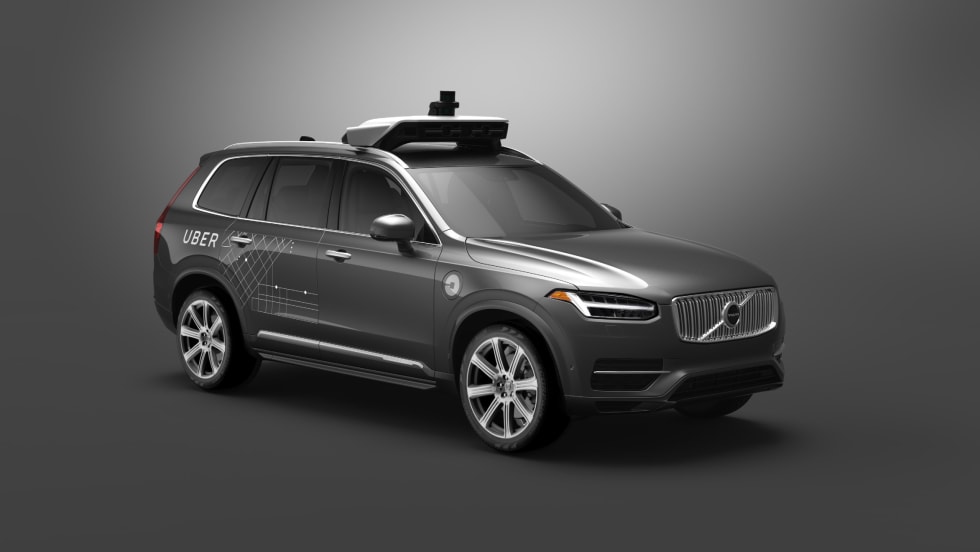
The base vehicles will be manufactured by Volvo Cars and then purchased from Volvo by Uber. The companies are contributing a combined $300 million to the project.
Read More →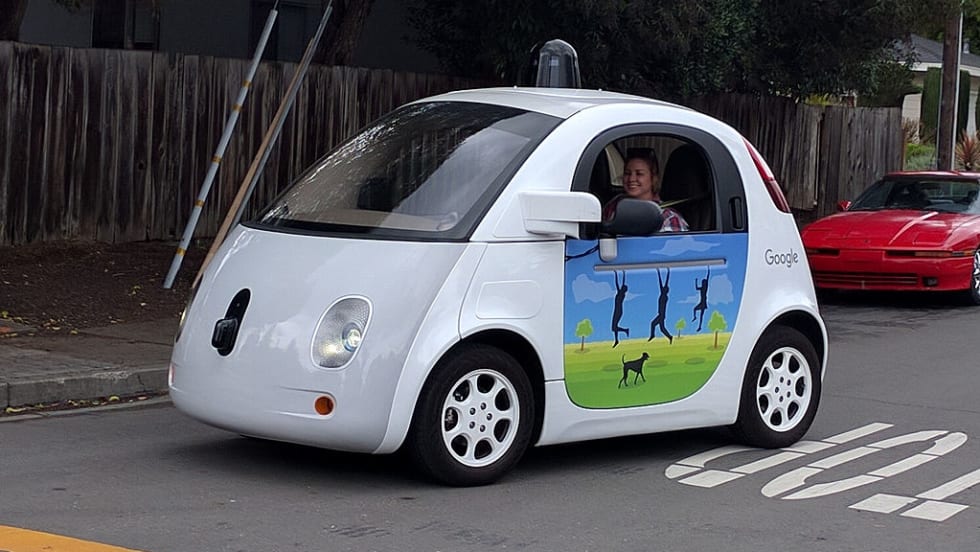
Other senior engineers who have recently left the autonomous car initiative, include Jiajun Zhu, one of the founding members of the self-driving car team at Google, and Dave Ferguson, computer vision and machine learning lead for the initiative.
Read More →
Craig Shankwitz will lead the development of MSU's Western Transportation Institute research team that will explore and develop applications of autonomous and connected vehicle technologies to roads and transportation systems in rural areas and small cities, in both the public and private sector.
Read More →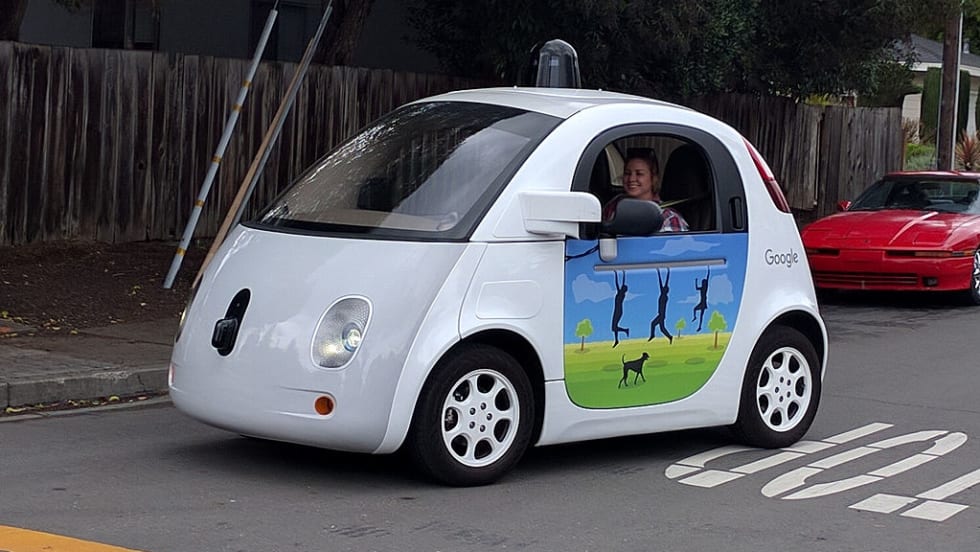
His remarks at a self-driving convention comes a few weeks after government regulators revealed a 40-year-old man died in May after his Tesla car crashed into a truck while using a semi-autonomous feature called "Autopilot."
Read More →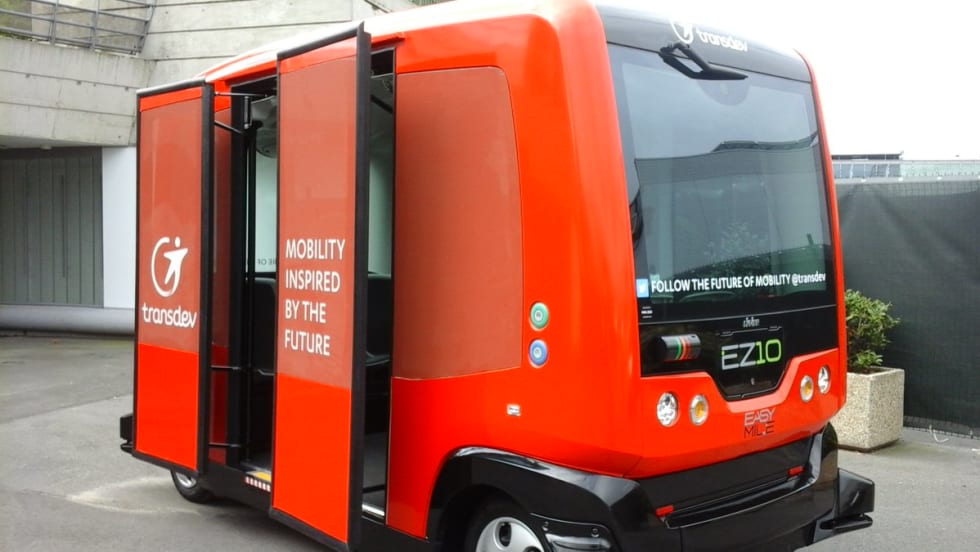
In the U.S., pilot programs featuring Trandev’s AV turnkey solution are in development in campus environments and other selected communities.
Read More →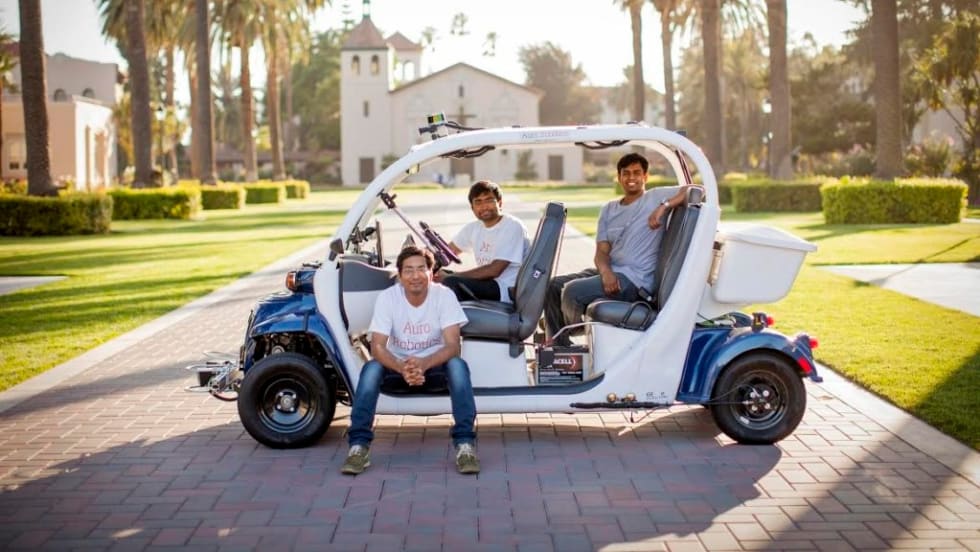
Auro Shuttles are equipped with lasers, camera, radar and GPS providing it a complete 360-degree vision under all environmental situations.
Read More →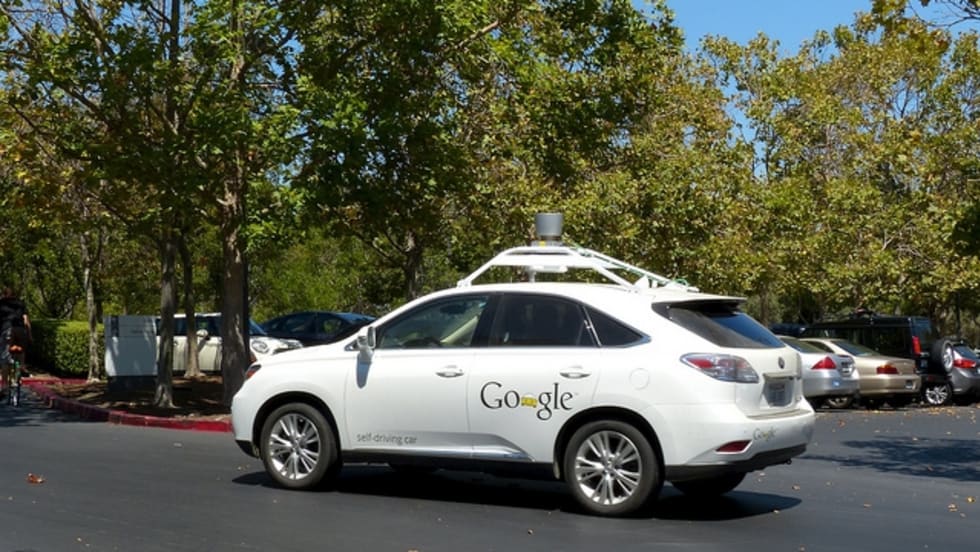
The city envisions the autonomous vehicle shuttles to provide on-demand, point-to-point transportation within the city, with users requesting a ride using their smart phones, according to a city release.
Read More →
Although the focus of each of the three strategically located facilities will be broad, each will feature a different core discipline. TRI-ANN will focus primarily on fully autonomous (chauffeured) driving.
Read More →
The vehicle and the test driver "believed the bus would slow or allow the Google (autonomous vehicle) to continue." Google said in the filing the autonomous vehicle was traveling at less than 2 miles per hour, while the bus was moving at about 15 miles per hour.
Read More →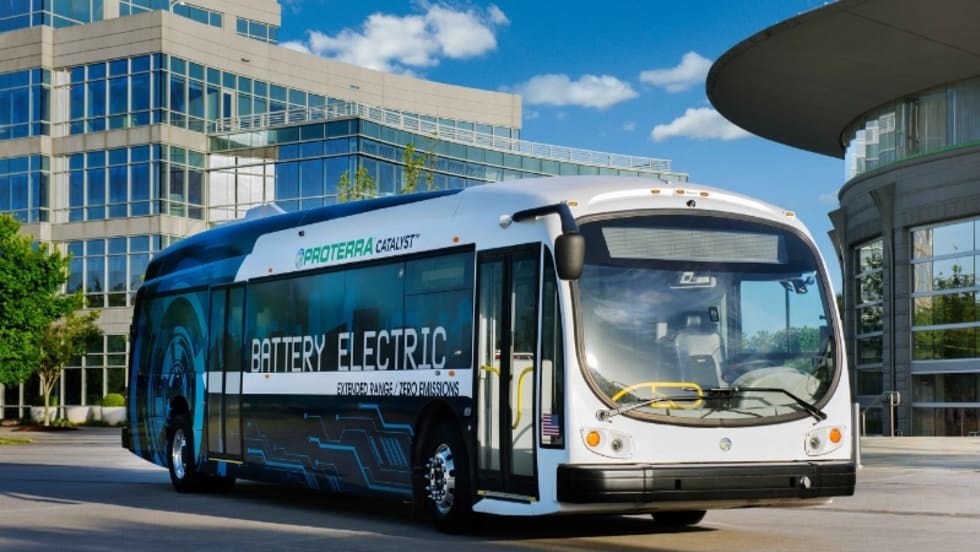
The Associated Students of the University of Montana Transportation ordered two 40-foot Catalyst Fast Charge buses and one semi-autonomous fast charger for its UDASH routes.
Read More →