
Metro Magazine

 MENU
MENU SEARCHMENUSEARCH
Loading data...
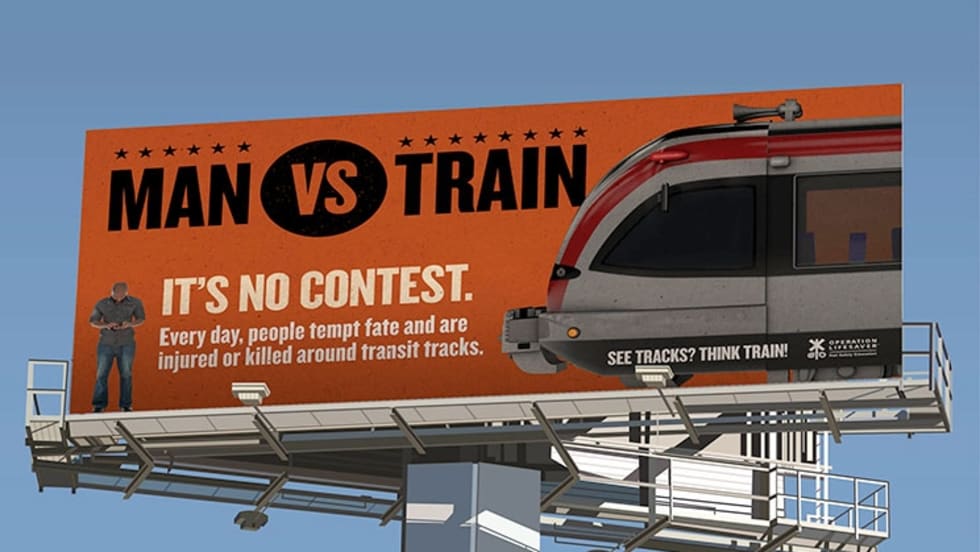
Operation Lifesaver's “See Tracks? Think Train!” campaign "highlights the danger of trespassing, and has raised awareness of the tragic results that can occur when people trespass."
Read More →

The firms, O’Neill and Associates, whose roster includes the former managing director of the NTSB, and Hill + Knowlton Strategies, which has previously done work for the transit agency, will assist the agency.
Read More →The first phase of the effort calls upon local law enforcement agencies to show a greater presence at grade crossings, issue citations to drivers that violate rules of the road at crossings and consider rapid implementation of best practices for grade crossing safety.
Read More →With this latest accomplishment, Metrolink remains on track to become the nation’s first passenger rail system to have a fully implemented, interoperable PTC system in place.
Read More →Recent national incidents have put increased attention on safe commuting and what passengers can do to protect themselves during a transit emergency. “The most important tip anyone can follow is to wait for the instructions of the crew,” said Scott Sauer, chief system safety officer for SEPTA. “Crews know the equipment best and have been trained to safely remove passengers from vehicles should the situation warrant evacuation...
Read More →The rule would require adoption and enforcement of federal and state safety laws, and require SSOAs to be financially and legally independent of the rail transit systems they oversee.
Read More →The proposed system would use water levels from monitoring stations and atmospheric forecasts to provide information for NJ TRANSIT officials to take action such as moving equipment prior to flooding. NJ TRANSIT officials said the work will be done in three phases, including development and testing, over a three-year time period.
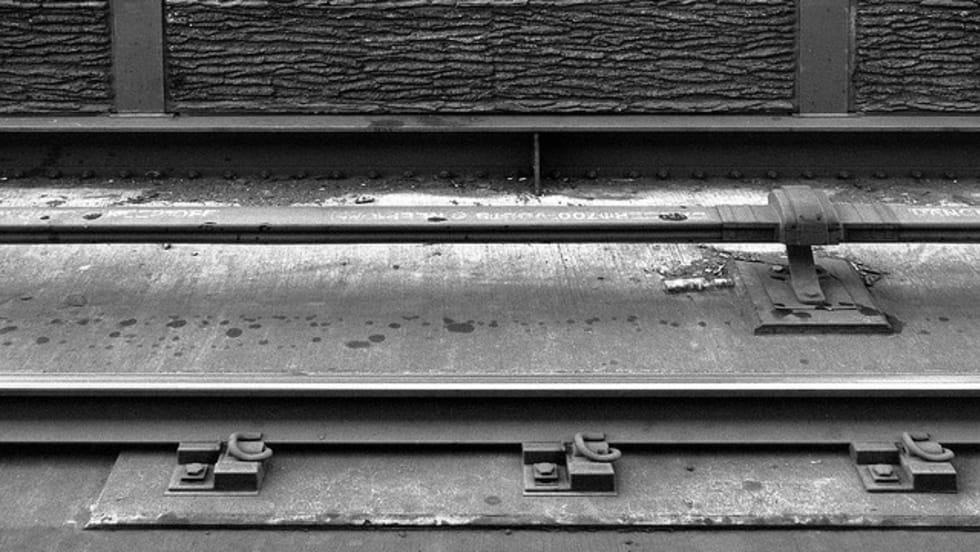
Read More →Four hundred feet of electrified third rail snapped into 12 pieces and speared the commuter train during a fiery collision with an SUV that was stopped on the tracks, killing six people.
Read More →The force of the crash was so severe that the electrified third rail broke off and pierced the vehicle's chassis and gas tank before penetrating the first train car and igniting a "fierce fire," investigators said Wednesday.
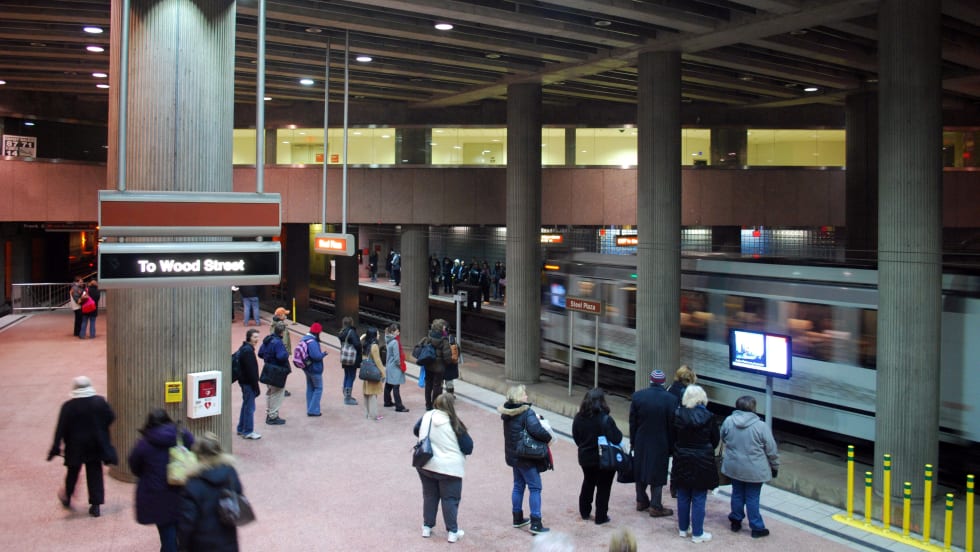
Read More →Pittsburgh's subway train power is supplied by overhead cables rather than an electrified “third rail” along the tracks, which led to a delayed response by firefighters in the Washington, D.C. incident.
Read More →