
Metro Magazine

 MENU
 SEARCHMENUSEARCH
Loading data...
Continues company's support of global charging standards for electric buses and coaches, for both enroute- and depot-charging options.
Read More →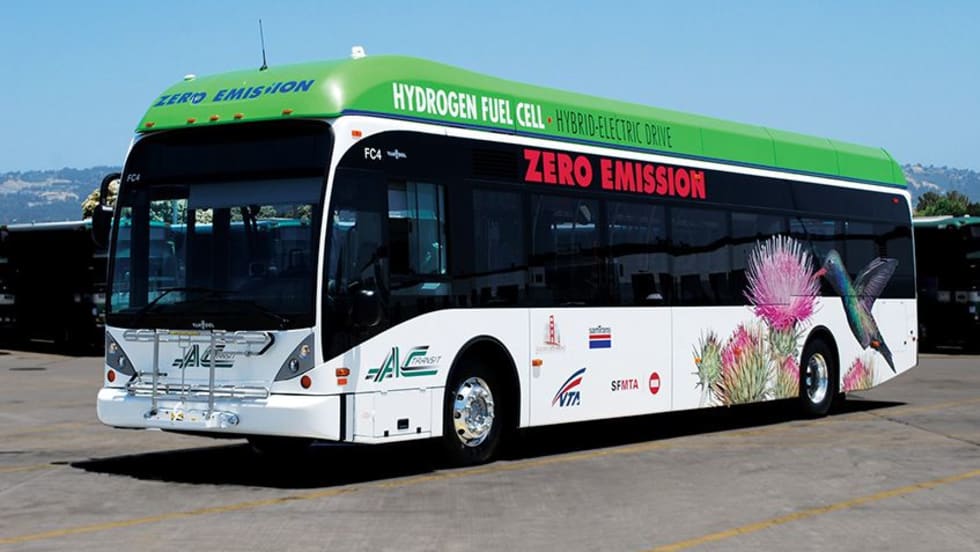
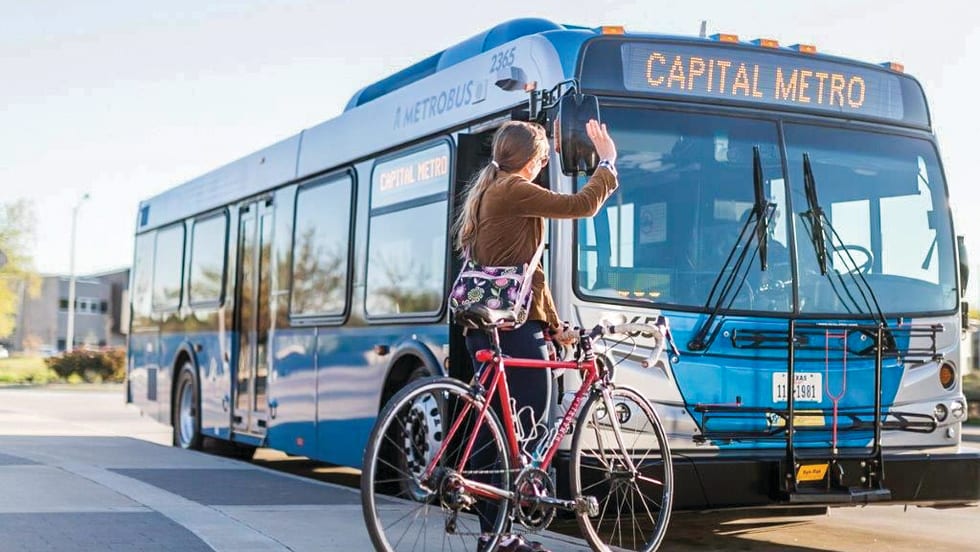

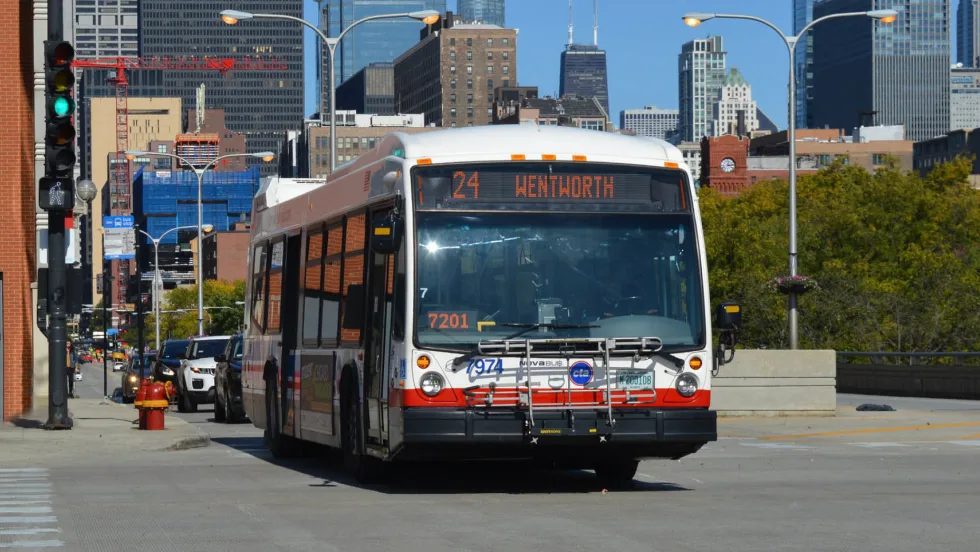

Testing shows the vehicles have made significant progress toward commercialization, surpassing fed technical targets for fuel cell operating hours and reliability.
Read More →From testing autonomous vehicles to piloting on-demand transportation, transit agencies are looking for new ways to complement their bus services. In conjunction, many are also adding technologies such as mobile apps that can help plan a complete trip using a host of transportation options.
Read More →The new vehicles will replace buses currently in service that are more than 20 years old and account for 40% of system wide delays, due to mechanical issues.
Read More →New bus service improvements include adding four bus routes to the Frequent Network, as well as enhancements to routing, hours of service, and/or frequency on eight other routes throughout the region.
Read More →The Solar Bus consists of four thin film solar panels that run the length of the bus and charge an on-board battery bank. When the bus engine is off, the batteries power the air-conditioning and wireless connectivity equipment, enabling the buses to effectively meet anti-idling standards without compromising passenger comfort.
Read More →According to a proposed, one-year contract between the city of Independence and the KCATA, the city will pay the KCATA $685,005 for those services. Independence estimates the management transfer will save the city about $100,000 a year.
Read More →The new buses will replace outdated 40-foot transit buses currently in use. The longer articulated buses provide capacity for 100 customers, compared to the approximately 50 customers on the buses they are replacing.
Read More →Routes being considered for elimination include linking Mount Holyoke, Hampshire and Smith; and an express run between Smith and UMass. Together they account for some 85,000 riders each year.
Read More →