
Metro Magazine

 MENU
MENU SEARCHMENUSEARCH
Loading data...

California continues to invest in clean energy, bike lanes, and pedestrian projects with funding through the federal Infrastructure Investment and Jobs Act of 2021 and Senate Bill 1 of 2017.
Read More →
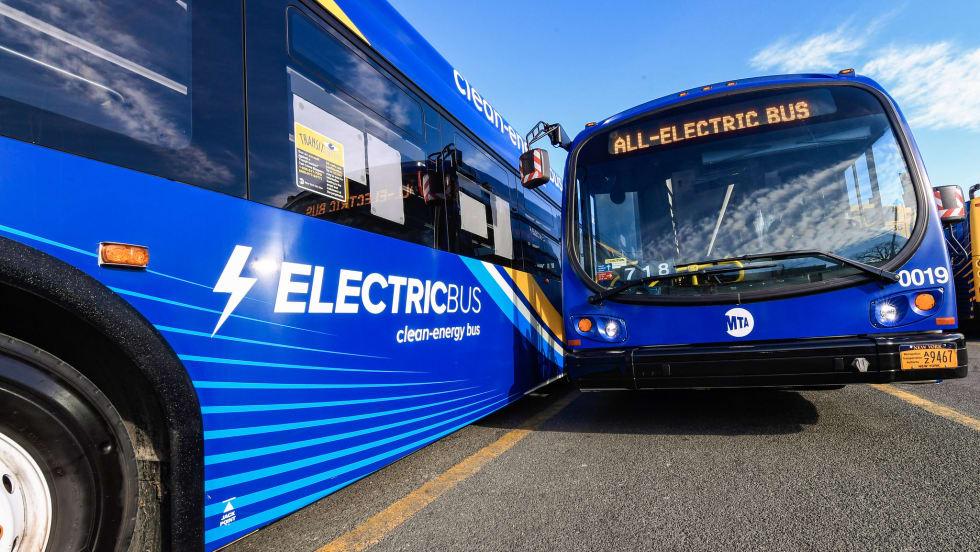

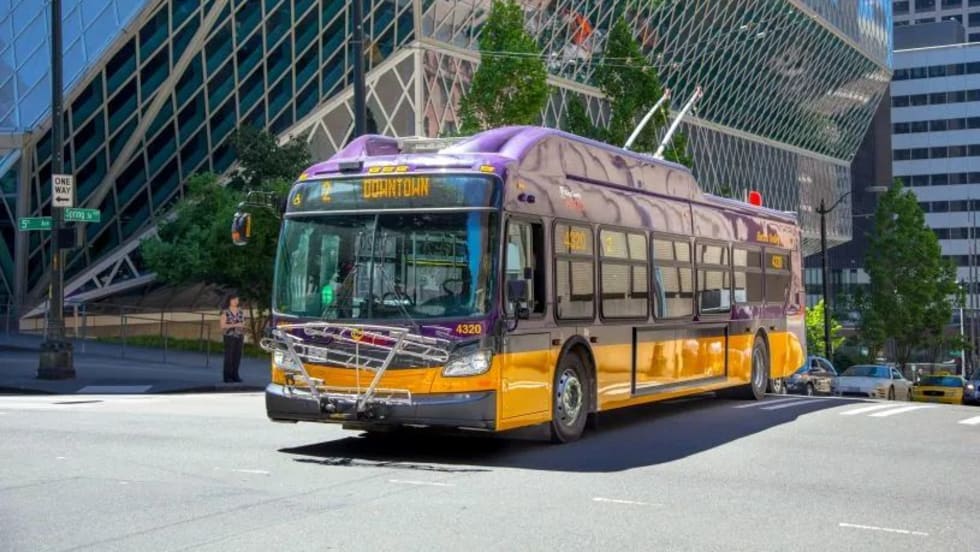
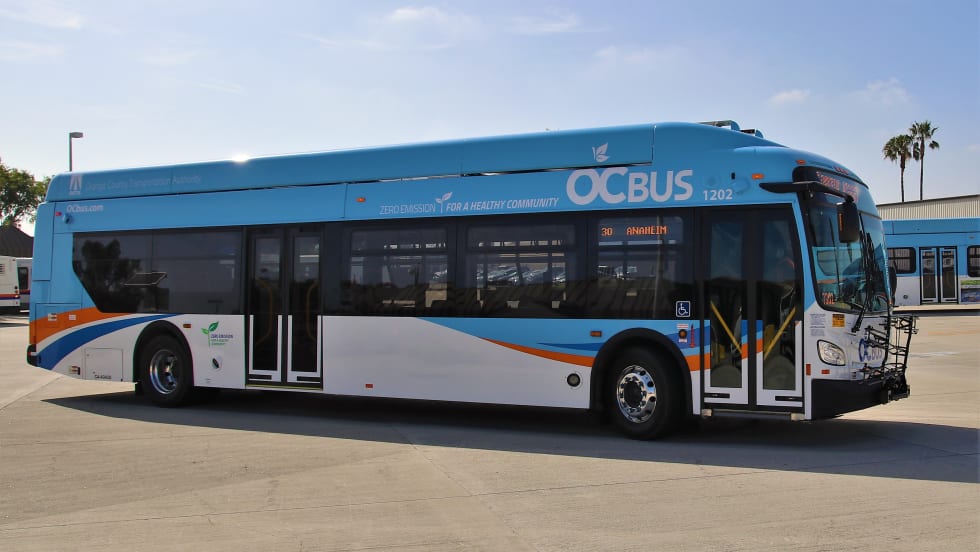
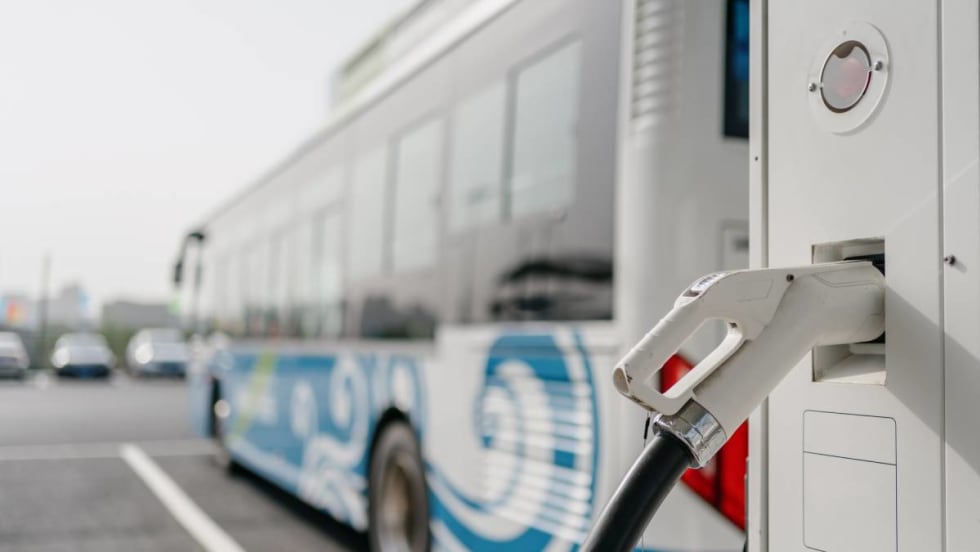
The choice to go electric for your zero-emission bus fleet doesn’t need to be overwhelming. A modular approach can be the best route to lower your risk while advancing your decarbonization goals.
Read More →The purchase builds on the 60 zero-emission buses that came last year and is in addition to the 205 zero-emission buses slated to come beginning late this year.
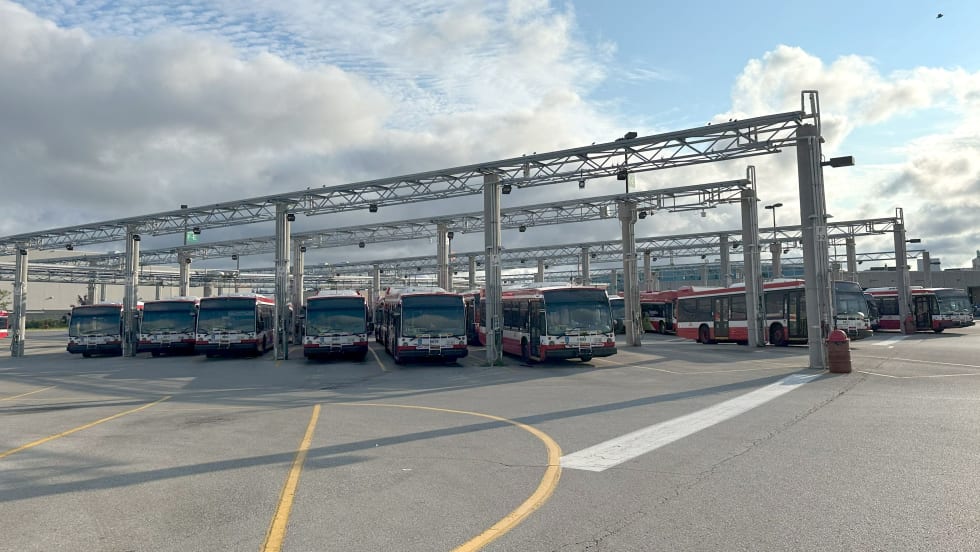
Read More →METRO spoke to Daniel Hilson about the company's recent TTC project, the current issues with implementing electric charging infrastructure, and much more.
Read More →In addition to being selected to provide the new batteries, Kiepe Electric is also the manufacturer of the original propulsion systems for Metro’s trolley fleet.
Read More →The purchase, unanimously approved by the board, includes 40 hydrogen fuel-cell electric buses and 10 battery-electric buses, which will replace buses at the end of their useful lifespan that run on compressed natural gas.
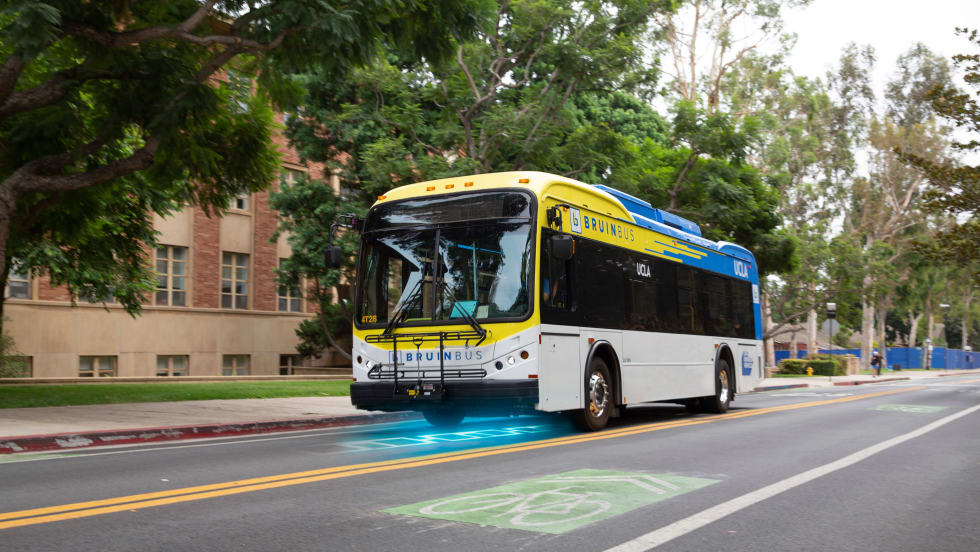
Read More →The grant will be used to expand UCLA’s current fleet of five all-electric buses and an all-electric passenger van by adding another eight all-electric buses, as well as inductive charging solutions.
Read More →The groundbreaking collaboration enhances the TTC's ability to optimize its electric bus charging operations, supporting the agency's goal of transitioning to a 100% zero-emission bus fleet by 2040.
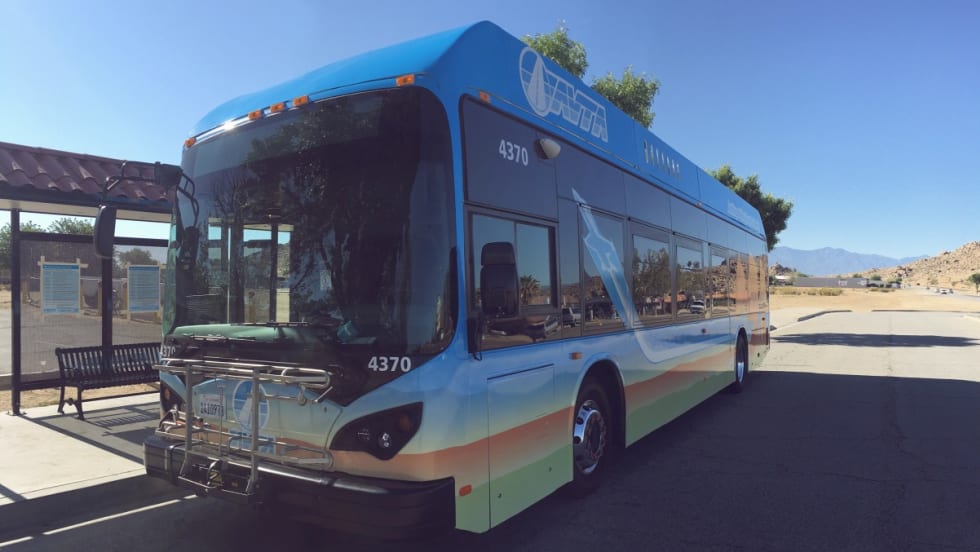
Read More →By using groundbreaking zero-emission battery-electric bus technology and wireless inductive charging technology, AVTA's innovative bus conversion helped pioneer a new vision for what a 21st century transit agency can accomplish.
Read More →Up to $15 million available in zero-emission charging and hydrogen infrastructure incentives.
Read More →