



Expanding Multimodal Transport Hubs to Centralize Electric Vehicle Charging
Just as transportation hubs orchestrate the travel of passengers between rail, bus, and other transit options, smart cities employing multimodal transport hubs could organize EV charging within their borders to benefit a wide variety of constituents.
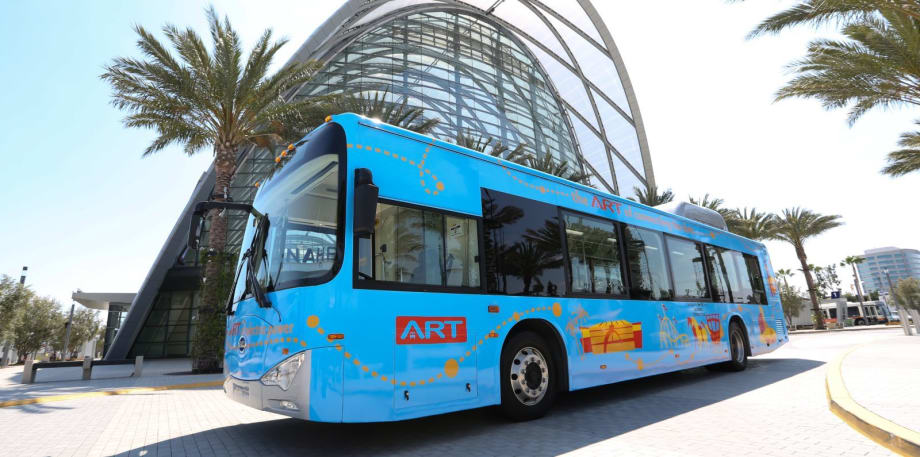
AMPLY Power’s partnership with the California Mobility Center is a prime example of how the interconnectivity of key coalitions accelerate the full benefits of charging-as-a-service models.
BYD
Joe Biden’s ambitious campaign pledge to install 500,000 new public charging outlets in the U.S. by the end of 2030 is the latest in a series of indications that there is an opportunity for economic recovery in supporting America’s cities to plan for the onslaught of EVs is coming. From passenger cars to electric trucks and buses, cities would do well to consider how to centralize their charging infrastructure within multimodal transport hubs to plan traffic patterns, manage charging costs, and minimize the need for a multitude of utility power upgrades throughout their cities. Just as transportation hubs orchestrate the travel of passengers between rail, bus, and other transit options, smart cities employing multimodal transport hubs could organize EV charging within their borders to benefit a wide variety of constituents.
EV Disruptions are on the Horizon
Insights from the International Energy Association’s Global EV Outlook 2020 report indicate the global EV pool (including cars, buses, passenger vehicles, and trucks) is expected to grow by 36% annually, reaching 245 million vehicles by 2030. That is more than 30 times higher than in 2019.
Independent technology think tank RethinkX stated, “We’re on the cusp of one of the fastest, deepest, most consequential disruptions of transportation in history driven by economics.”
Although this reality seems overwhelming, the opportunities for local municipalities to optimize their electric fueling infrastructure are plentiful. Cities that fail to prepare for the EV race run the risk of managing a disparate system of independent charging locations, managed by a variety of vendors, with equipment that is not interoperable, and/or fails to efficiently charge vehicles optimized for lower costs, is unaware when hardware is down, and use more land and energy than is required.
Local governing authorities would be wise to prepare for these challenges and changes, but many urban planning departments are ill-equipped to manage the inevitable electrification of city infrastructure, especially when it comes to electric fleets. Unreliable and incompatible charging hardware, island solutions for vehicle charging, vehicle telematics, varying charging software platforms that do not work together, under-built power infrastructure, and incomplete fleet management software represent major impediments when it comes to further EV adoption.
This is the sign of our times, and the future vision of the required infrastructure to support this transportation transformation is in stark contrast to today’s reality.
Introducing the Multimodal Charging Hub
Much like a multimodal transport hub, a multimodal charging hub is a centralized location where a variety of fleet operators and citizens could bring their EVs to charge throughout the day and night. The idea is to manage charging for public transit buses, corporate shuttles, ridesharing vehicles, city service vehicles, commercial trucks, and even average drivers. The centralized aspect of the hub offers all players economies of scale, and easy charging access, while cities enjoy the organized traffic patterns for these vehicles, reduced costs of both electric power and infrastructure, as well as better managed use of the local electrical grid.
A key element of these multimodal hubs is someone (either a city department or outside service provider) who leverages software and operational best practices to manage the charging of all the vehicles in and out of the complex. Like an air traffic control operator, this entity oversees a real-time, Internet of Things (IoT) control platform that manages power infrastructure, charging stations, and fleet vehicle charging status. A full accounting of charger availability and incoming vehicle needs from the software can help lower electricity costs and boost charger productivity, to maximize the number of vehicles that could charge at any one time, without the need for utility service upgrades or putting undue strain on the local electricity grid. This master system could self-heal by quickly identifying when equipment breaks down, and provide mission-critical, always-on service that guarantees EV charging performance even with fluctuating demand. It could automatically direct fleet vehicles to assigned chargers in their respective time slots, ensuring they are ready to drive the next time they are needed.
Likewise, fleet managers could have access to this software platform to inform the system of the length of the charge for each vehicle on its way to the depot, the length of each vehicle’s route, roughly how much charge it would need when it arrives at a hub, and how much charge it will need when it’s scheduled to leave. At any point in time, fleet managers will also know the total forecasted cost of charging for upcoming hours, days, or even the full month. EV charging disruptor AMPLY Power’s operational benchmarks show that charging prices and power infrastructure amortization in these transport hubs can account for up to fifty percent of a fleet vehicle’s lifetime cost in operations where charging is not managed to optimize for price.
The central traffic charging control platform would provide holistic and automatic energy management. By predictably charging various vehicles reliably, cities and fleets can avoid incurring massive spikes in energy use and their associated demand charges. It could smooth costly peaks while achieving the highest infrastructure utilization and managing alternative energy resources like solar and battery storage. In fact, these multimodal charging hubs hold the opportunity to improve the stability of the local electrical grid and reduce the utility investments required by disparate charging locations. When solar generation, storage, and bi-directional vehicle to grid charging is employed, these hubs hold the potential to even become their own autonomous micro-grids.
The Benefits of a Customer-Driven Charging-as-a-Service Model
The idea of real-time data reporting and analytics to help meet daily transport needs is just the start of multimodal charging hubs. Learning from the economic benefits of service-based cloud models of data centers, cities have the opportunity to select charging-as-a-service vendors ensuring high efficiency and potentially 99.99% uptime for fleet vehicles, while minimizing the costs of such operations on the city budget.
The charging infrastructure investment to create these EV hubs will be significant. However, partnering with service providers could lower the upfront investment, smooth out charging curves along the way, and secure long-term prices. Like the power purchase agreements (PPAs) that lifted solar power into prominence, EV fleet charging service providers can become a key enabler for the electric, shared future of transport in smart cities, by implementing electric transportation PPAs.
AMPLY Power’s partnership with the California Mobility Center (CMC) is a prime example of how the interconnectivity of key coalitions accelerate the full benefits of charging-as-a-service models. Joining the CMC provides critical openings for showcasing the potentness of AMPLY’s services to key governing bodies and opens the door to the evolution of charging infrastructure in California.
The City of the Future Starts Today
Charging-based multimodal transport hubs of the future must be cost-effective, highly automated, multi-vehicle depots if smart cities are to tackle their economic recovery and prepare for expected EV growth. As recovery takes shape and society turns to maintaining cleaner air and reducing tailpipe emissions that shelter-in-place orders brought to many cities around the world, smart cities have the opportunity to expand their future transportation visions to incorporate multimodal charging hubs with centralized, software-driven management. Doing so will both support the public, private, and commercial fleet EV growth projected in the years ahead, as well as bring an organized flow to the expected traffic.
It’s up to cities to drive the development of our EV future within their borders, to ensure our streets are primed for what’s on the horizon. Shared charging depots are a simple way to ensure the next 50 years of EV traffic is organized, managed, and cost-effective.
Vic Shao is Founder & CEO of AMPLY Power
More Zero Emissions
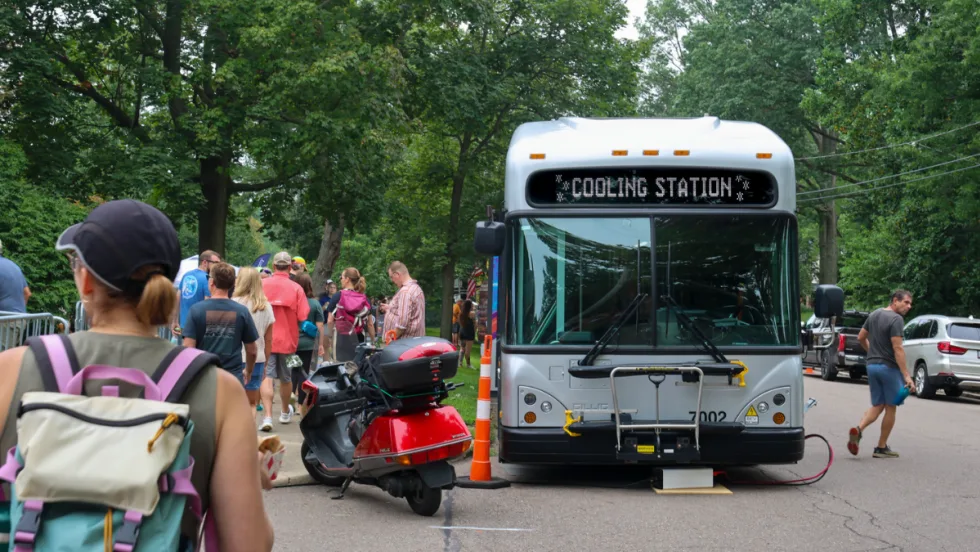
Ohio’s METRO RTA Turns Electric Buses into Mobile Power Sources at PorchROKR
See how three Gillig battery-electric buses powered festival stages while the agency’s new Park & Ride service carried approximately 1,000 attendees, demonstrating another potential use for transit agencies’ electric fleets.
Read More →
CALSTART and Forth Combine to Form Catalyst Mobility
The new name represents a renewed vision for the nonprofit focused on advancing clean, equitable, and affordable transportation solutions that move people and goods.
Read More →
Building a Flexible Path to Transit Electrification
John Hroncich discusses BAE Systems’ modular and scalable approach, lessons learned from decades of real-world operations, and how agencies can identify electrification strategies that fit their fleets.
Read More →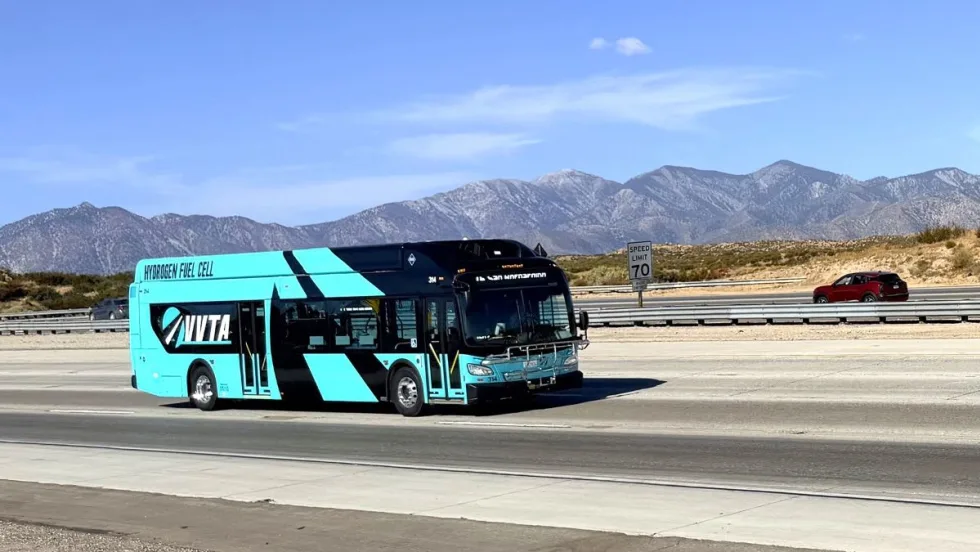
California's VVTA Begins Phased Rollout of Hydrogen Fuel Cell Buses
The agency is introducing 13 zero-emission buses into revenue service while evaluating performance across its urban, rural, and long-distance routes.
Read More →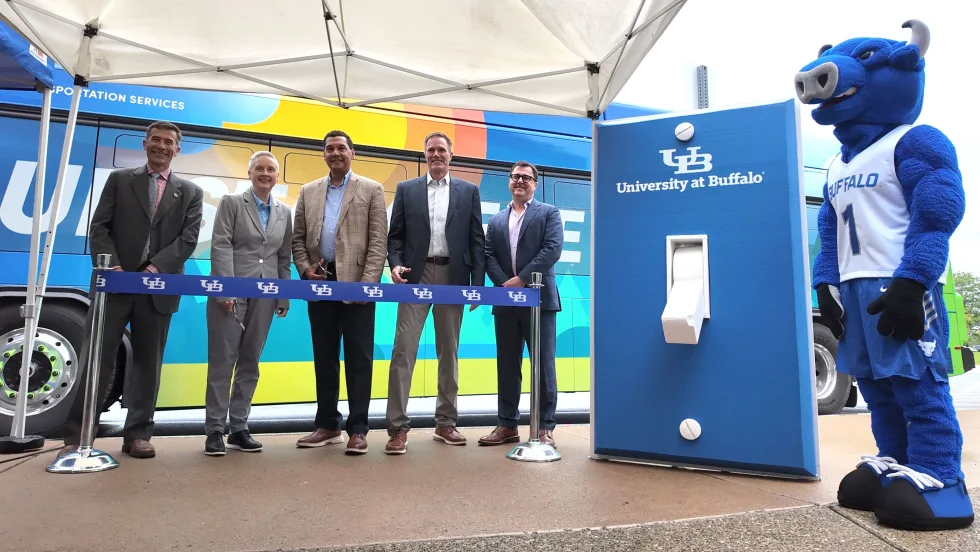
Inside Look: University at Buffalo Puts First 8 Electric Buses Into Stampede Service
UB, transportation solutions provider WeDriveU, and fleet electrification specialist Zenobē marked the deployment in the presence of students, university administrators, and local officials.
Read More →
Biz Briefs: OCTA Taps Clean Energy for Hydrogen Station, Stadler to Supply Via Rail Vehicles, and More
From manufacturers and suppliers to transit agencies and motorcoach operators, these updates offer a snapshot of the projects, partnerships and business moves driving the industry forward.
Read More →
AC Transit’s Cecil Blandon on Building the Next Generation of Transit Maintenance Leaders
The agency’s maintenance chief discusses leadership, workforce development, zero-emission technology, and preparing technicians for the future of public transportation.
Read More →
CTDOT Taps STV for Electric Bus Facility Design
The firm will work with CTDOT and RVT to define the facility layout, operational requirements, and long-term flexibility for RVT’s growing electric fleet.
Read More →
Chicago’s Pace Deploys 24 Hybrid-Electric Buses in Will County
The new buses reduce emissions and fuel consumption while advancing the agency's long-term goal of transitioning to a fully zero-emission fleet.
Read More →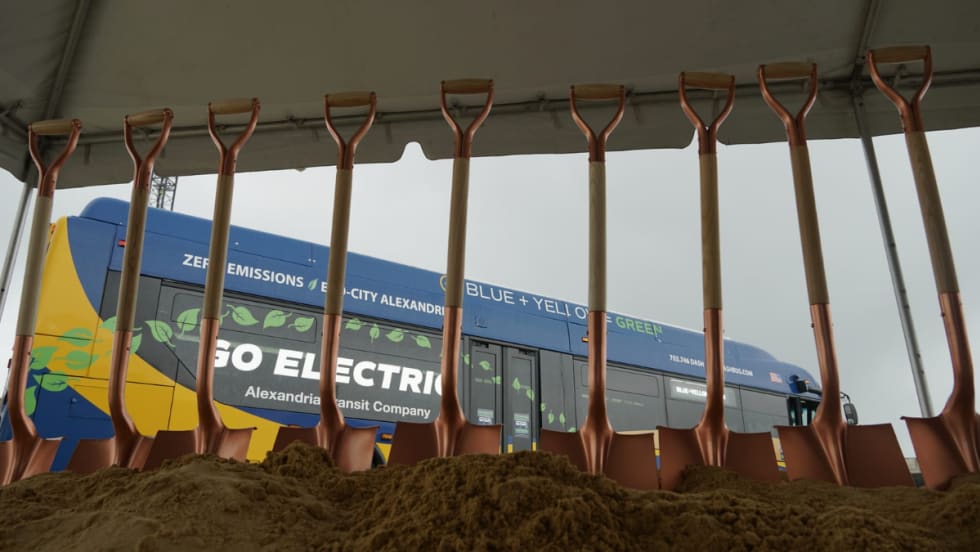
DASH Breaks Ground on First On-Route Electric Bus Chargers in D.C. Region
The fast-charging infrastructure will help extend electric bus range, improve fleet utilization, and support DASH's goal of transitioning to a fully zero-emission fleet.
Read More →