
Metro Magazine

 MENU
MENU SEARCHMENUSEARCH
Loading data...

METRO Magazine sat down with Payne to discuss challenges facing transit projects, alternative project delivery, high-speed rail, and much more.
Read More →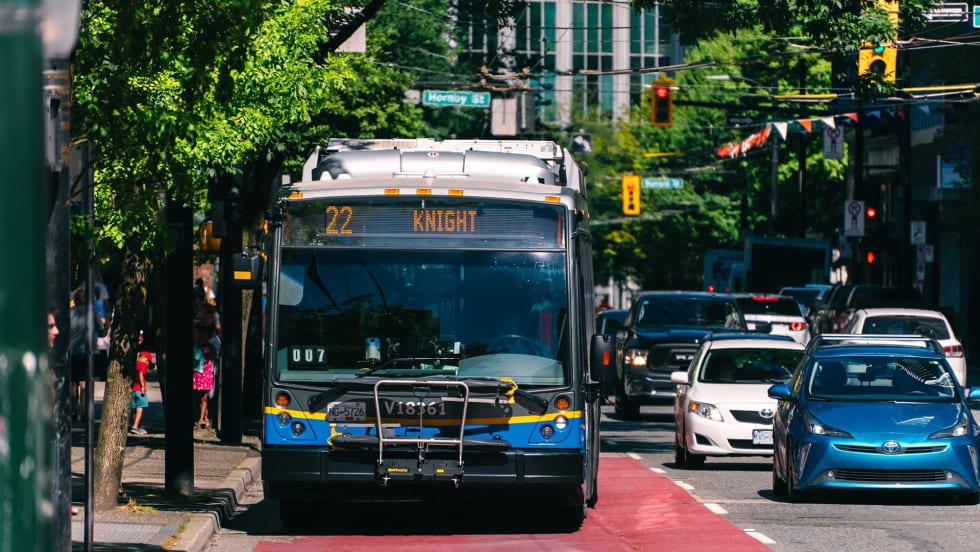
The plan is part of TransLink’s newly released Bus Priority Vision, which identifies solutions to improve bus efficiency while highlighting the need to make buses more reliable in Metro Vancouver.
Read More →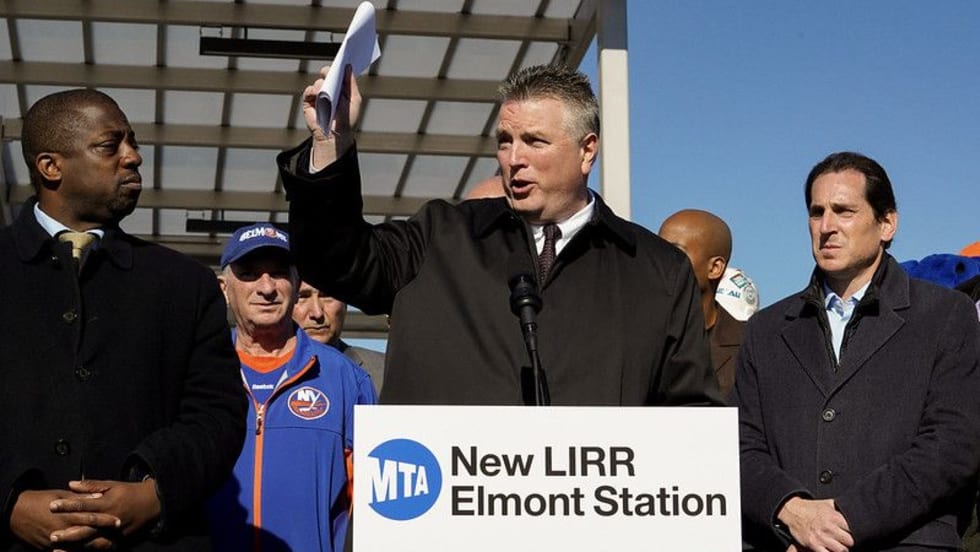
Rob Free has served as LIRR’s acting president for the last six months.
Read More →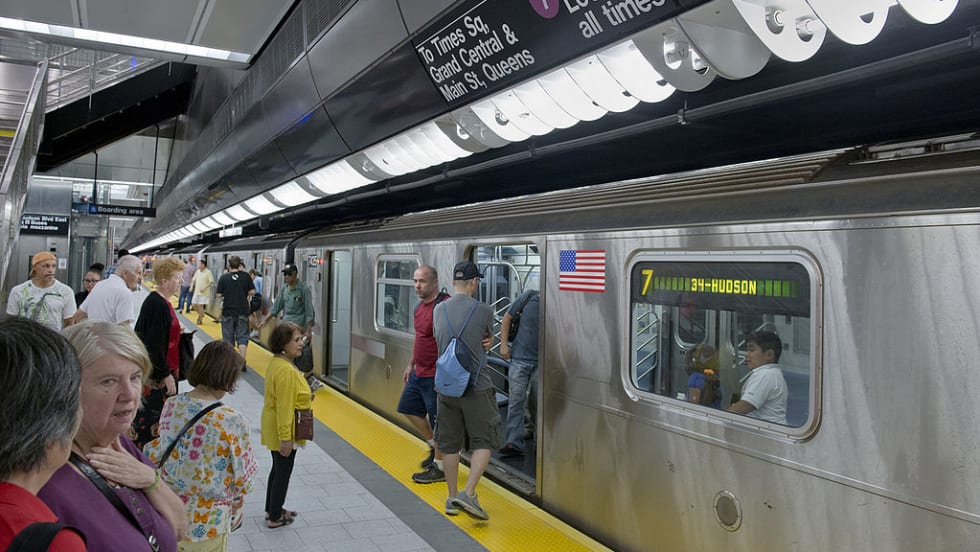
Without the funding Congestion Pricing will provide, the projects to make the transit system safer, more reliable, accessible, and equitable are at risk, according to the MTA.
Read More →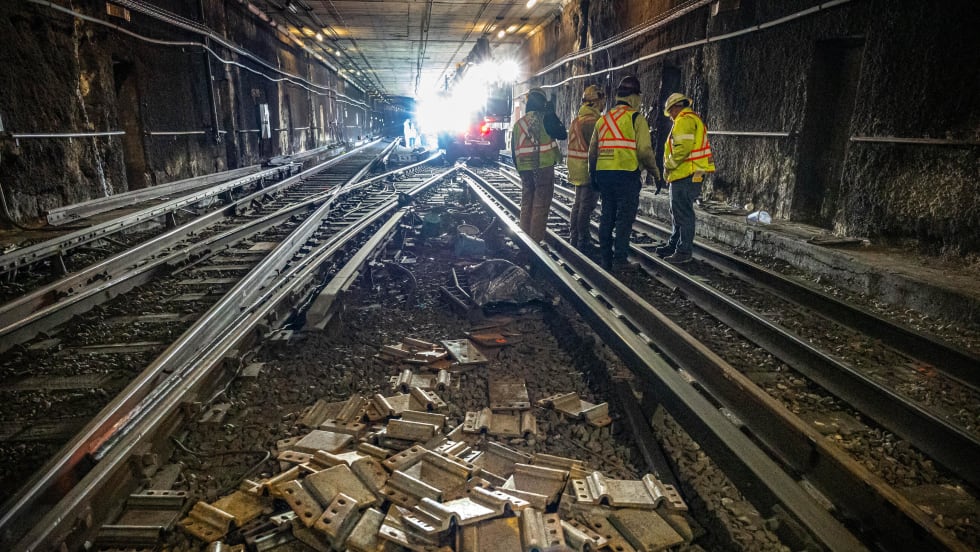
Crews accomplished this critical work due to unencumbered access to track areas while Red Line service was suspended between Alewife and Harvard stations for 10 days from February 5 to 14.
Read More →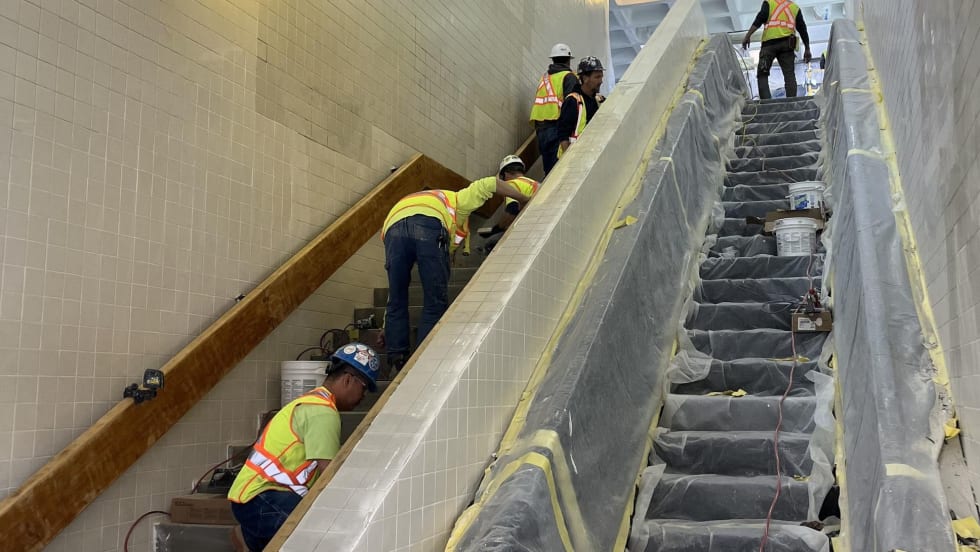
All speed restrictions that were in place prior to the shutdown have been alleviated in this area, improving travel times by over 10 minutes for Ashmont Branch and Mattapan Line riders.
Read More →
The new report gives an overview of measures that have been taken to mitigate delays and examines the effectiveness of those measures to help inform decision-making for future investments.
Read More →
The work will improve reliability and support future network growth by adding double-track segments to the Franklin Line.
Read More →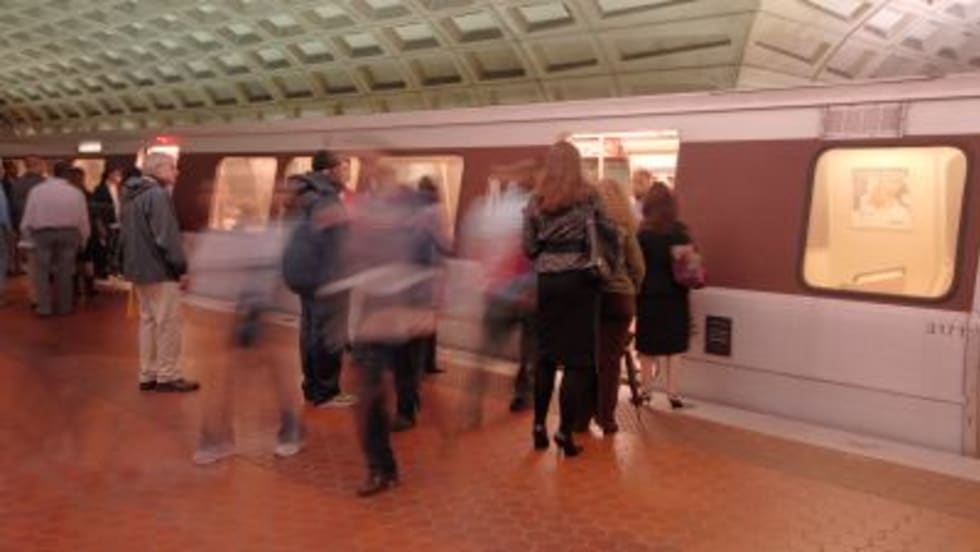
The first phase of the study will assess key issues and trends and document why improvements to the lines are necessary.
Read More →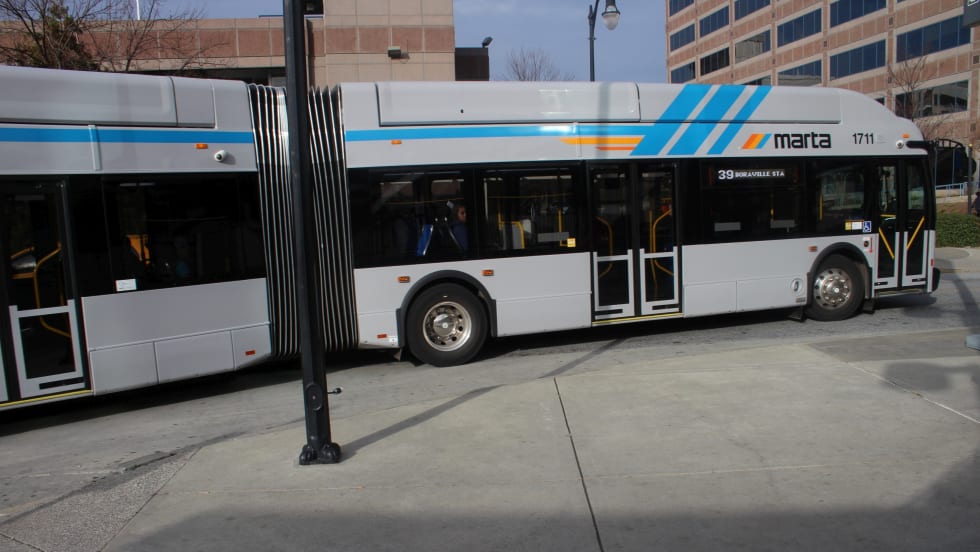
The program marks a major shift in the agency's approach to project delivery, with a commitment to seeking public-private partnerships.
Read More →