
Metro Magazine

 MENU
 SEARCHMENUSEARCH
Loading data...

Passed by a 363-64 vote, the bill calls for spending $261 billion on highways and $55 billion on transit over six years. As expected, the legislation authorizes highway funding for six years, but only if Congress can come up with a way to pay for the final three years.
Read More →






Deployed tech enables future smart cities to boost safety, decrease congestion, reduce pollution and enable autonomous driving.
Read More →A look at the career of Houston Metro's chief innovation officer.
Read More →On Tuesday, House Transportation and Infrastructure Committee Chairman John L. Mica (R-FL) and Members of the Committee unveiled the long-awaited American Energy & Infrastructure Jobs Act, which looks to authorize approximately $260 billion over five years to fund federal highway, transit and safety programs at current funding levels.
Read More →John Rogers succeeds Brian Kibby, CEO since January 2015.
Read More →In this edition, we cover recent appointments and announcements at Trinity Metro, SilverRide, and more, showcasing the individuals helping to shape the future of transportation.
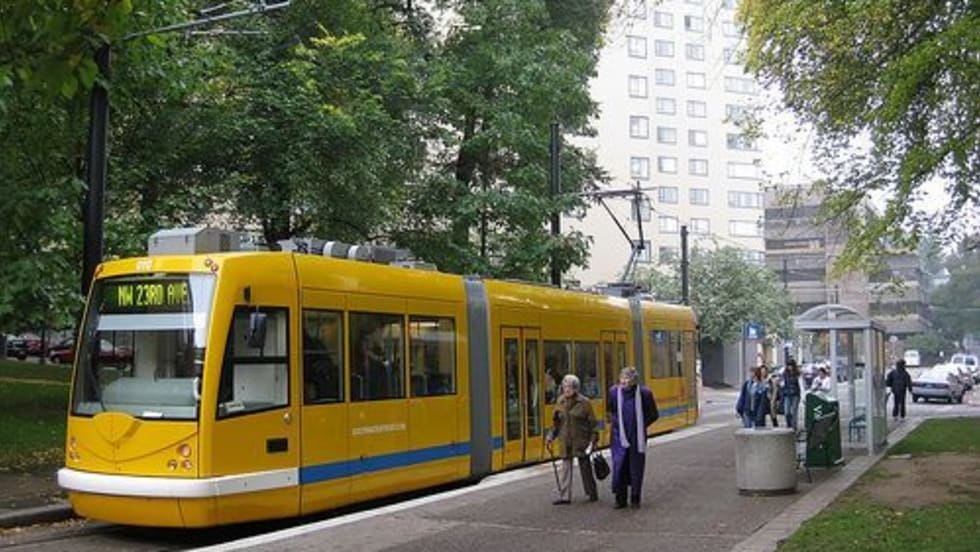
Read More →The most popular way to get to the university is by bus, MAX train and Portland Streetcar, which together accounted for 44 percent of trips to campus by staff and faculty and 40 percent by students in fall 2010.
Read More →As the world changes with the rapid advancement of connected devices and technologies, so must the transportation industry. In a business area where change is sluggish, DOTs across the country must adapt quickly to the evolving technologies that are going to impact their operations and budget. There are at least three technologies that will have immense impact over the next two decades on how we travel and how state transportation departments react to provide mobility — connectedness, big data and automation.
Read More →The Oregon Department of Transportation is hosting open houses across the state to present draft proposals and get public input while they study the feasibility of high-speed rail. The final recommendation and environmental impact report is expected to be published in 2015.
Read More →Includes info on how all levels of government can work with PennDOT to implement innovations in their municipalities.
Read More →