



Technology and Transportation: Change at High Speed
As the world changes with the rapid advancement of connected devices and technologies, so must the transportation industry. In a business area where change is sluggish, DOTs across the country must adapt quickly to the evolving technologies that are going to impact their operations and budget. There are at least three technologies that will have immense impact over the next two decades on how we travel and how state transportation departments react to provide mobility — connectedness, big data and automation.

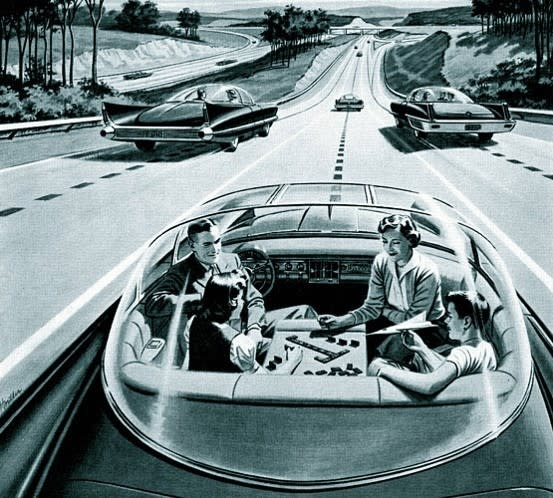
As the world changes with the rapid advancement of connected devices and technologies, so must the transportation industry. In a business area where change is sluggish, Departments of Transportation (DOT) across the country must adapt quickly to the evolving technologies that are going to impact their operations and budget.
Connectedness. Big Data. Automation.
There are at least three technologies that will have immense impact over the next two decades on how we travel and how state transportation departments react to provide mobility — connectedness, big data and automation.
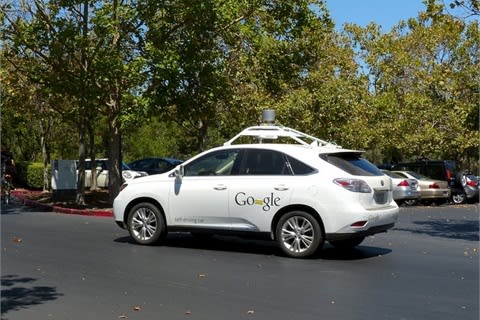
Google Self-Driving Car driving around the Google campus in Palo Alto, Calif. Photo: Roman Boed via Flickr
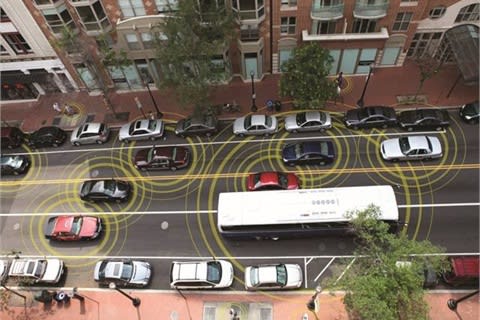
RELATED:'Connected' Vehicle Testing Aims to Bolster Bus Safety
Whether it’s high-speed cellular technology, the growing network of the connectedness of physical objects, like vehicles themselves or GPS/cellular location services, the ability to directly connect vehicles to a variety of information services is here.
At the same time big data is the result of connectedness. Every time we log into the Internet or use our smartphones, huge amounts of data is being generated and analyzed regarding our behaviors. Location reports monitor the millions of smartphones moving along in vehicles. Companies utilize this location data to provide real time speed maps of the entire U.S. roadway system, as well to identify accidents or other roadway incidents.
Automation and robotic technologies, while historically slower to evolve and impact transportation than personal devices, have still played a significant role in auto safety improvements on the highways. Electronic systems have resulted in much impro ved vehicle efficiency, including automation-enabled technologies, such as air bags, electronic stability control and anti-lock braking. The next generation of automation is coming of age very soon, as auto manufacturers are rapidly advancing and testing the ability of vehicles that can drive themselves under certain conditions, such as in stop-and-go congestion and on freeways.
What does it mean for DOTs now?
Decline in per capita driving, emerging travel alternatives, such as Internet-enabled ride share options, and widespread funding uncertainty make this moment in the transportation industry difficult to navigate for DOT executives. Still, there are actions DOTs should implement now to begin preparing for the future transportation industry.
1. Establish partner relationships with transportation data/trip information companies.
2. Determine what data you are responsible for, and make it public. While transportation data companies will provide big data and analytics, DOTs will still be uniquely responsible for certain types of information.
3. Develop departmental TSMO, active traffic management, and integrated corridor management capabilities. As feedback on system performance becomes more available from big data analytics, the ability of agencies to actively manage the highway system will grow.
4. Partner in the development of cellular and fiber communications in transportation corridors. Almost all DOTs have implemented fiber backbone systems as part of their ITS investments over the last two decades.
5. Determine how to engage the emerging technology of connected vehicles. The U.S. DOT will likely require all new vehicles to incorporate Dedicated Short Range Communication capability by the end of the decade.
6. Make friends with your DMV, especially if it happens to be in your DOT. DMVs have a large role as vehicles become more automated because DMVs license vehicles and vehicle operators.
7. Plan for the DOT workforce of the future. Adaptation for a private company is about survival, but for a government entity it’s about relevance and public trust. Consider engaging human resource experts to develop alternative workforce skill scenarios for ten years out, 2025.
Biggest challenge
State DOTs are facing their biggest mission challenge since the Interstate Highway Program in the 1950s. Increasingly rapid technological change is about to affect transportation in the same way it has changed other industries. While the future is an unknown, those organizations that can find the common threads leading to the future will best serve their residents and customers.
Don Hunt is the retiring executive director of the Colorado Department of Transportation. He is the chair of the AASHTO Subcommittee on Transportation Systems Management and Operations. He is also the chair of the newly created National Operations Center of Excellence, a joint venture of AASHTO, ITE, ITS America and FHWA. The author wishes to acknowledge the attendees and discussion at the State DOT Leadership Forum, A Focus on Transportation Futures, NCHRP 20-24 (100).
More Blog Posts

Velo-city Conference 2026: Latest Trends in Cycling as Part of Urban Mobility
The global cycling conference highlighted how cities are integrating bicycles into multimodal transportation networks, expanding cycle tourism and reshaping urban mobility.
Read More →
Kindness Isn’t Soft...It’s Strategic.
Mike Bismeyer — often known as “The Kindness Guy” — has spent more than 17 years in public transit and mobility, serving in industry leadership roles, speaking across North America, and advocating for stronger workplace cultures. But his message doesn’t come from theory. It comes from lived experience.
Read More →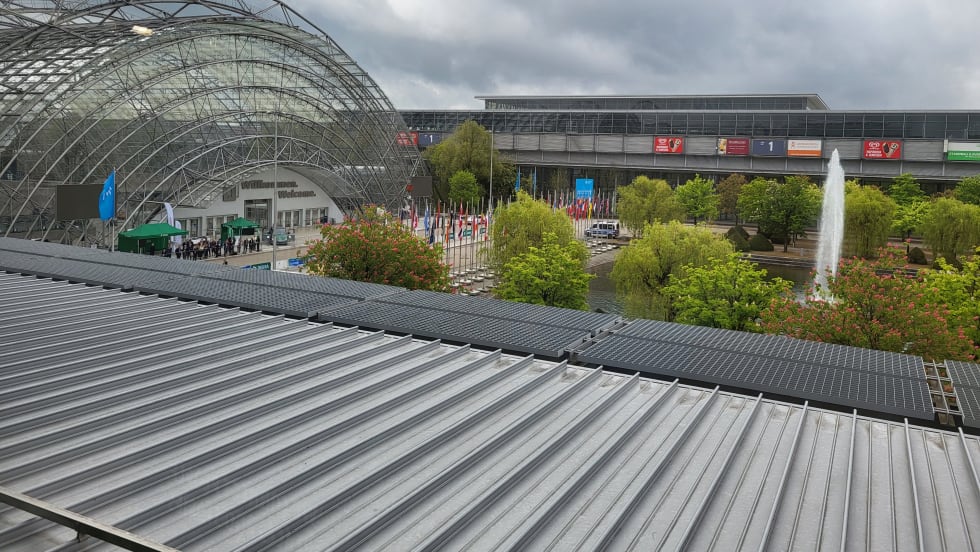
Inside ITF 2026: Transport Reacts to A Challenging World
Transport leaders from around the world gathered in Leipzig, Germany, for the 2026 International Transport Forum to discuss resilience, climate impacts, supply chains and the future of sustainable mobility.
Read More →
Every Ride Tells a Story — But You’re Not Just Selling the Ride
You’re selling the moment, the meaning, and the emotion behind it.
Read More →
How Digital Signage is Reshaping the Traveler Experience at Transportation Hubs
What was once a landscape of static signs has evolved into a responsive, immersive environment powered by real-time visual communication.
Read More →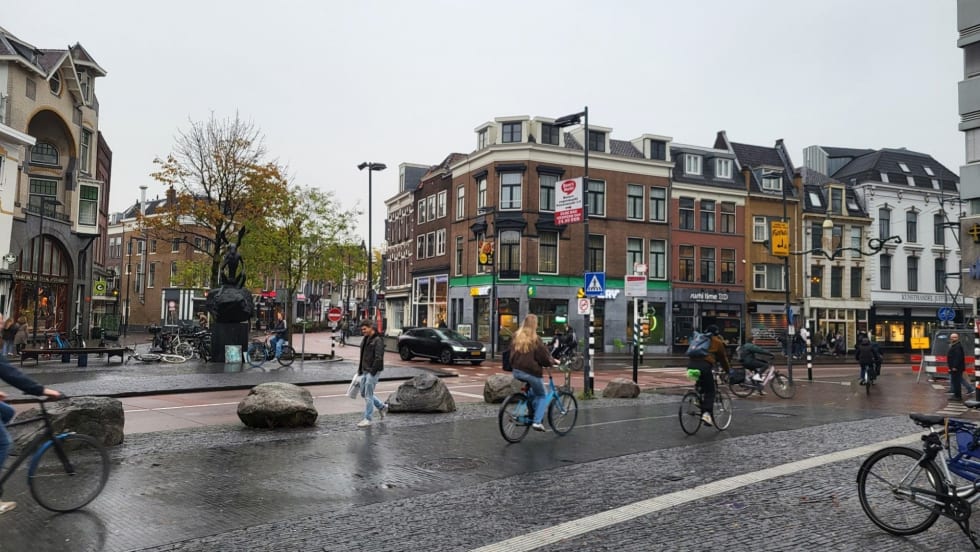
Latest Trends in Urban Mobility from Polis Conference 2025
Polis comprises cities and regions, as well as corporate partners, from across Europe, promoting the development and implementation of sustainable mobility. This year’s event had over a thousand attendees across various policy forums and an exhibition.
Read More →
Why Transit Leaders Require Better Tools for Operational Clarity In Today’s Tech-Fragmented Environment
Across North America and beyond, transit agency officials are contending with a perfect storm of operational headaches and strategic challenges that hamper daily service and long-term progress.
Read More →
The Powerless Brokers: Why California Can’t Build Transit
It is no secret that transit in the U.S. is slow and expensive to build.
Read More →
Why Transport Sustainability Should Focus on People Instead of Cars
Simply incentivizing electrification is not enough to make a meaningful impact; we must shift our focus toward prioritizing public transportation and infrastructure.
Read More →
Transit ROI & System Efficiencies Will Drive 'Big, Beautiful' Transit Funding
For many years, the narrative surrounding public transit improvements has been heavily weighted toward environmental gains and carbon reduction. While these are undeniably crucial long-term benefits, the immediate focus of this new funding environment is firmly on demonstrable system efficiencies and a clear return on investment.
Read More →