
Metro Magazine

 MENU
MENU SEARCHMENUSEARCH
Loading data...
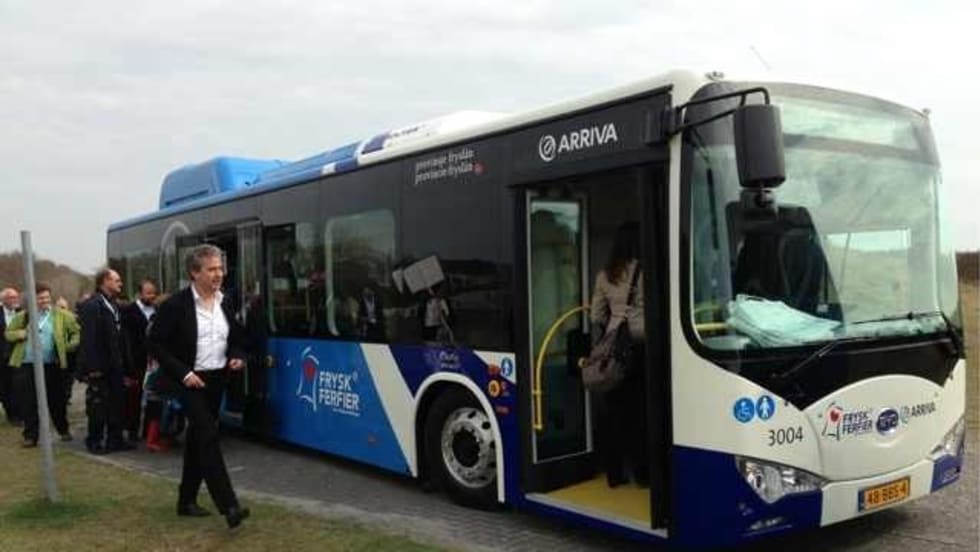
The six-vehicle contract was awarded last June 2012 in Europe's first publicly tendered order for electric-powered full-size buses.
Read More →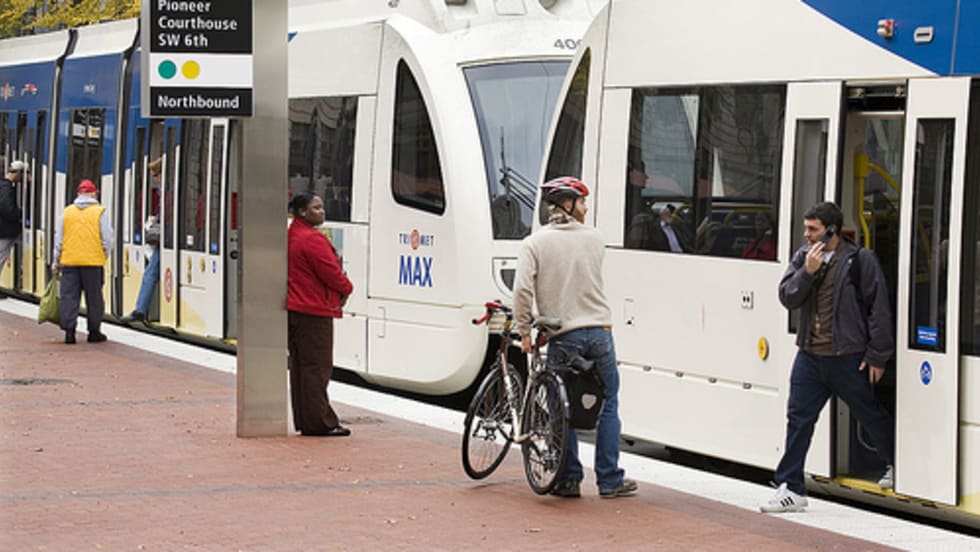
Twenty-seven light rail vehicles will be retrofitted with an ultra capacitor-based, energy storage system, which captures and stores regenerative braking energy as it is generated, uses the stored energy for acceleration and releases surplus energy to other vehicles on the system as needed.
Read More →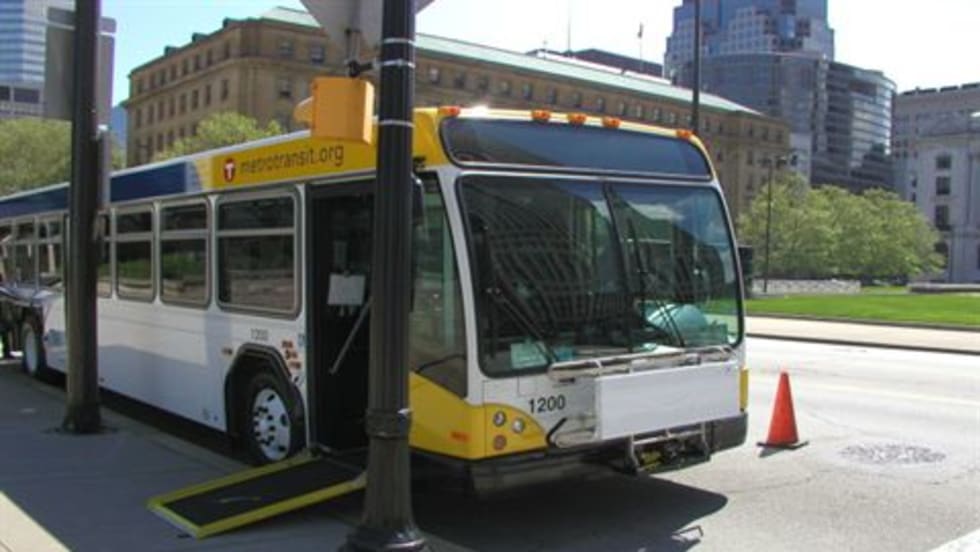
Using Xcel Energy’s Windsource program, the agency purchased approximately 71,000 kilowatt-hours of wind-generated electricity — about a day’s worth of the power required to operate the light rail line on Earth Day.
Read More →
Based on the SunLine American Fuel-Cell bus configuration, it utilizes an ElDorado National heavy‐duty urban transit bus glider with a Ballard FCvelocity HD6 fuel-cell power module and BAE Systems’ HybriDrive propulsion system.
Read More →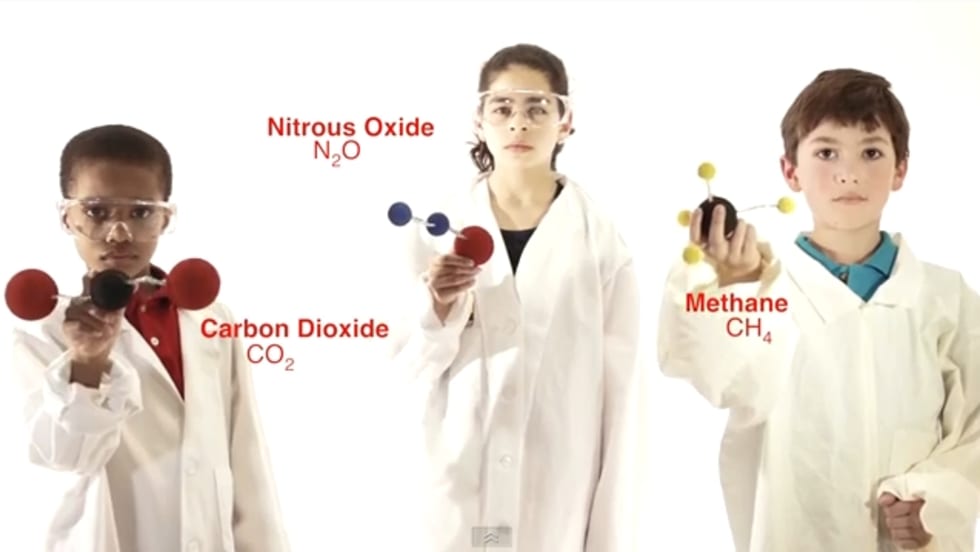
Each trip on a train or bus prevents the emission of 10 pounds of greenhouse gases, on average, compared with making that trip by car.
Read More →Activities at Washington Union Station will feature daily event offerings to include exhibits and activities such as an alternative energy show, a youth art contest and the NASA Earth Tent. Events are free and open to all ages.
Read More →Residents can participate in the program by pledging to replace drive-alone trips and instead take the bus or train, bicycle, carpool, walk, telework or vanpool.
Read More →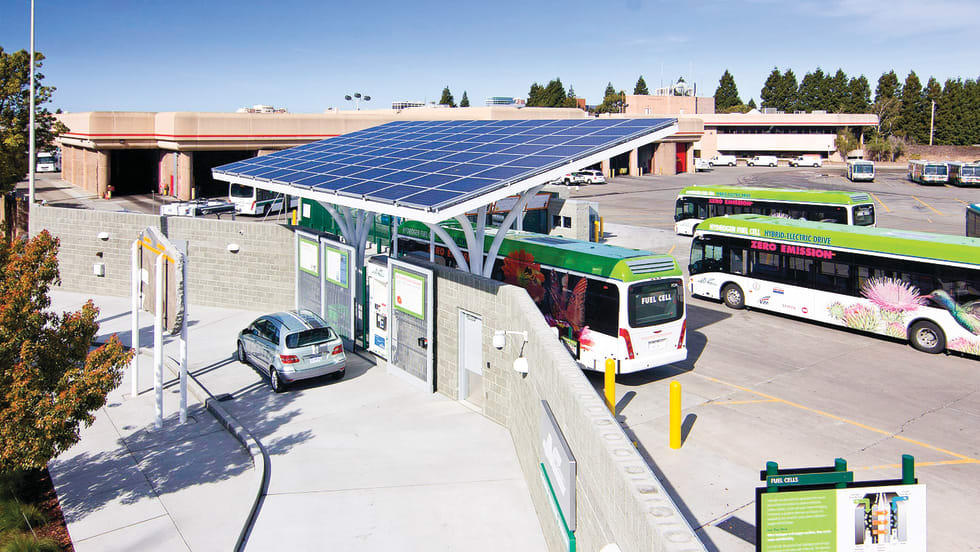
U.S. transit systems testing the technology see economical as well as environmental benefits. Conversion to other alternative fuels — biodiesel, natural gas and propane autogas — continues growth.
Read More →Called the Arc, the service was made possible by a $5,000,000 TIGGER grant . The agency bought three electric-powered buses built by Proterra to run the service.
Read More →Company provides a wide cross-section of quality transportation signs and graphics. Creating a variety of branding and print media for APTA business members, builders, consultants, OEMs and transit agencies.
Read More →