
Metro Magazine

 MENU
 SEARCHMENUSEARCH
Loading data...

The Superconducting Maglev (SCMAGLEV) train will start with a 36-mile route from Washington, D.C. to Baltimore City.
Read More →




Ryan Polanco will oversee the company’s marketing strategies and executions, as well as work cross-departmentally to project manage the successful creation, development, and launch of new vehicles, charging, and software solutions.
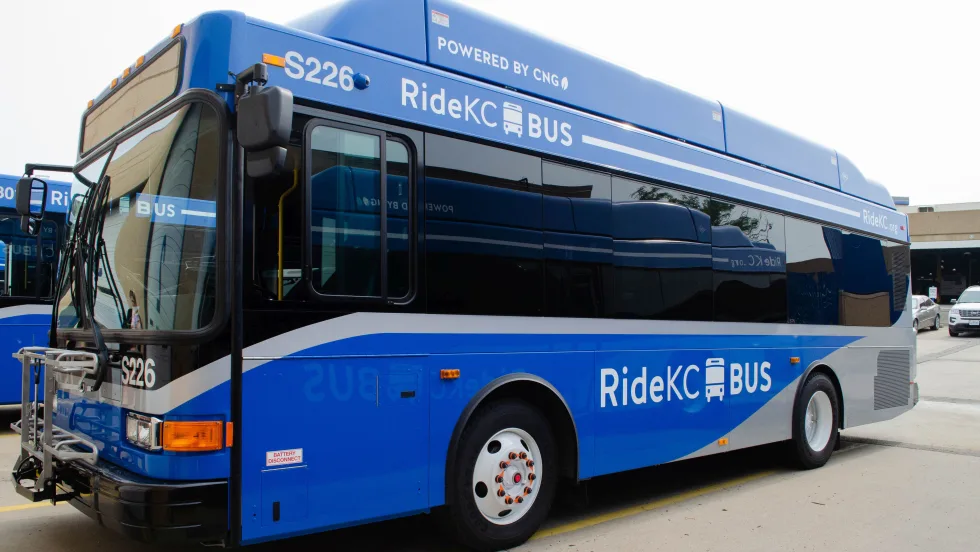
Read More →Approved by KCATA’s Economic Development and Real Estate Committee, the project will be moved to the KCATA board for a two-stage review, beginning in June, with a final vote expected in July.
Read More →The joint development project, scheduled for completion in 2024, is Metro’s latest effort to add critically needed affordable housing to the L.A. region and provide new opportunities for Metro customers to live adjacent to transit in their own communities.
Read More →In a letter sent Friday, the same day a decision was due, the agency said it was deferring a ruling so the project could be considered as part of President Donald Trump’s budget. No timeline was given in the letter.
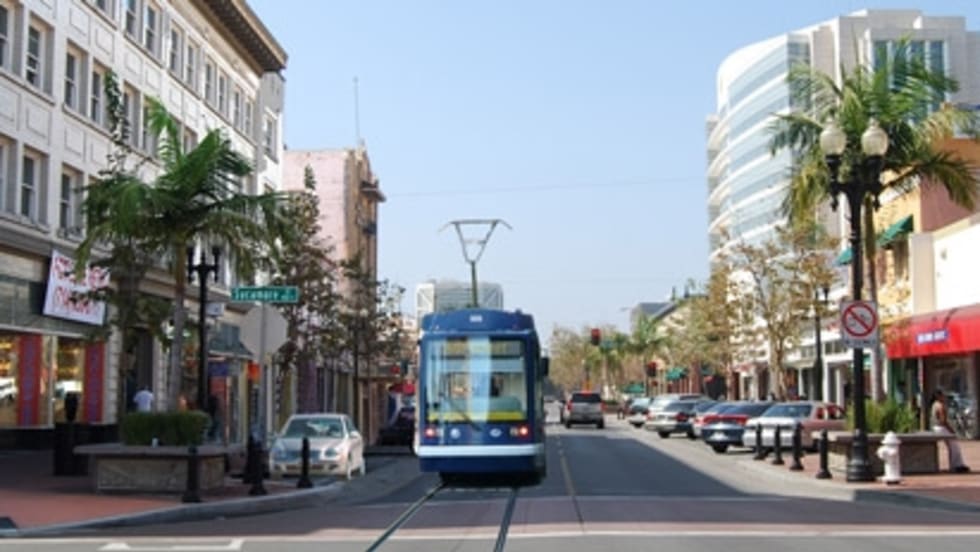
Read More →Up to seven streetcars are planned to run along the 4-mile route, stopping at 12 stations. Initial estimates put the cost of the project at $250 million and it will be jointly funded with OCTA pursuing local, state and federal dollars.
Read More →The Latin American nation said it would re-run the tender in late November under the same terms, the report said.
Read More →In the first phase of the project, the existing facility will be expanded onto existing right-of-way and adjacent property in coordination with the City of Rockford.
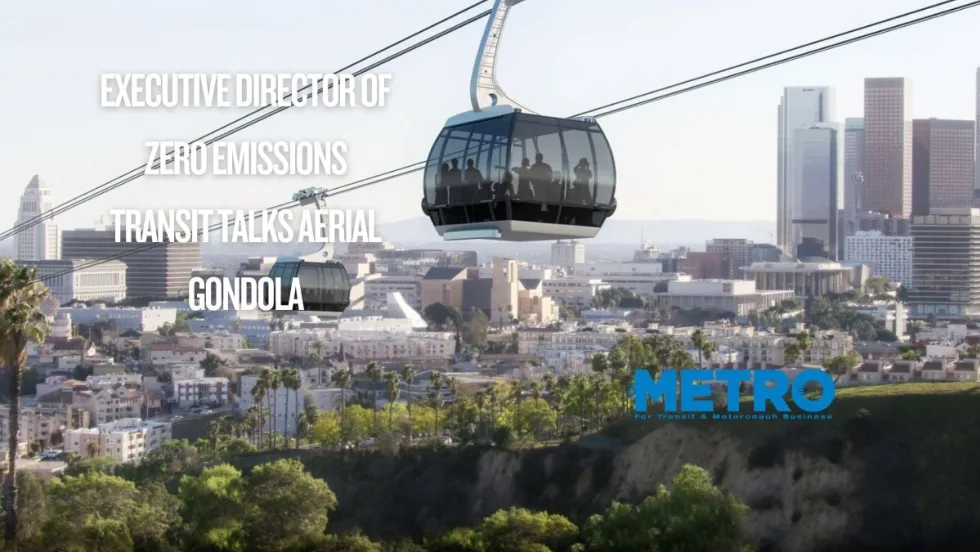
Read More →METRO’s Executive Editor Alex Roman sat down with David Grannis, Executive Director of Zero Emissions Transit, on a recent episode of METROspectives to talk about the project’s history, technology, community impact, and future.
Read More →In addition to revenues from the general excise tax, now expected to be $3.3 billion over the next 20 years, the project shaved off $200 million from the cost officials reported in a financial plan submitted to the Federal Transit Administration.
Read More →