
Metro Magazine

 MENU
 SEARCHMENUSEARCH
Loading data...
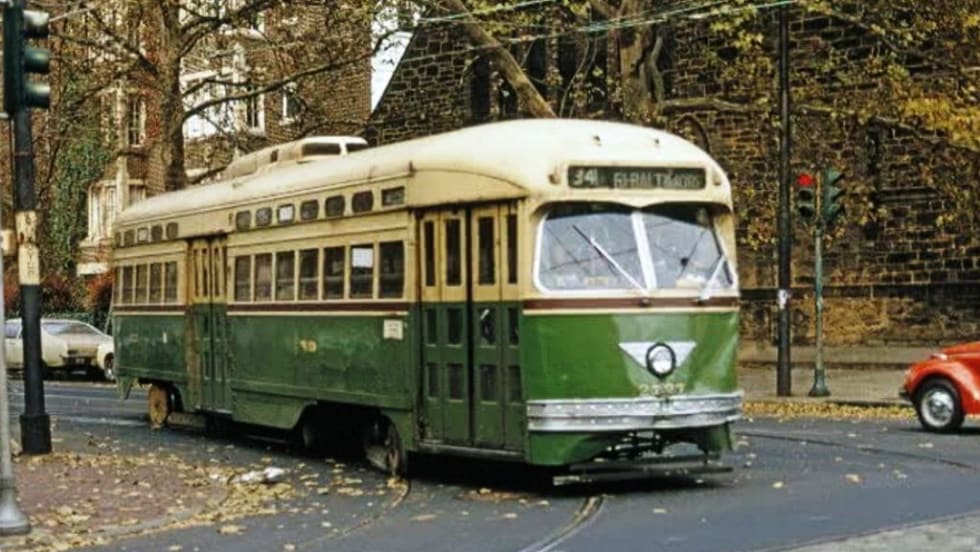
In the public transit world, 1964 marked the world’s first high-speed rail network, driverless train and California breaking ground on the BART system. It was an important year for public transportation in Philadelphia, too. On Feb. 18, 1964, the organizational meeting that established what is now the nation's sixth largest transportation agency —SEPTA — was held.
Read More →
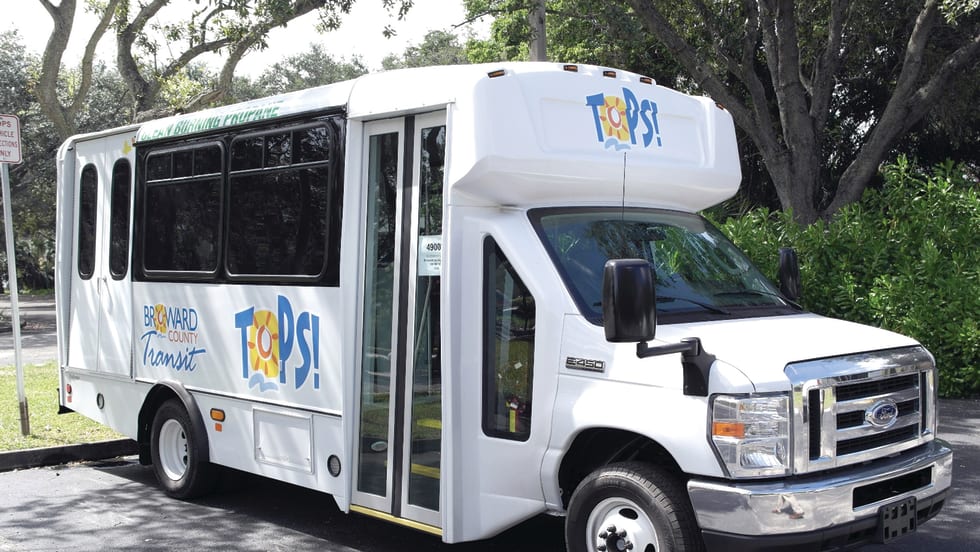



Rogue Valley Transportation District would no longer have to lease the facility after receiving $1 million in federal funds. Savings from ending the costly lease payments could be put into other transportation programs, such as transit options for disabled veterans.
Read More →Propane is a safe, domestically produced fuel that provides a return on investment.
Read More →Service will resume on May 17, following last years' overnight reductions amid the COVID-19 pandemic.
Read More →The bill is expected to return to the House for a vote and, should it pass, will then be sent to President Biden for a signature.
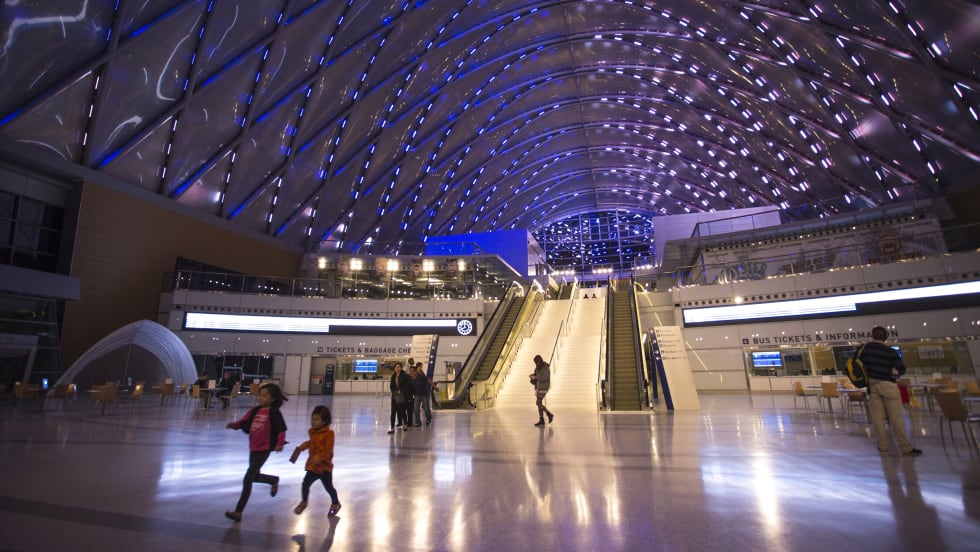
Read More →Constructed at a cost of $135 million, the 67,000-square-foot ARTIC terminal allows 10,000 daily riders to move seamlessly between transit services that include Amtrak, Metrolink, OCTA and intercity buses.
Read More →Yearlong program would establish three to six routes in Brooklyn and Queens where access to public transportation is limited and transit service cuts would take effect.
Read More →The impact of the pandemic has not only created an urgent need to regain ridership, it has also presented a new opportunity: to rethink the passenger experience and the role of mass transit in promoting the health and well-being of our communities.
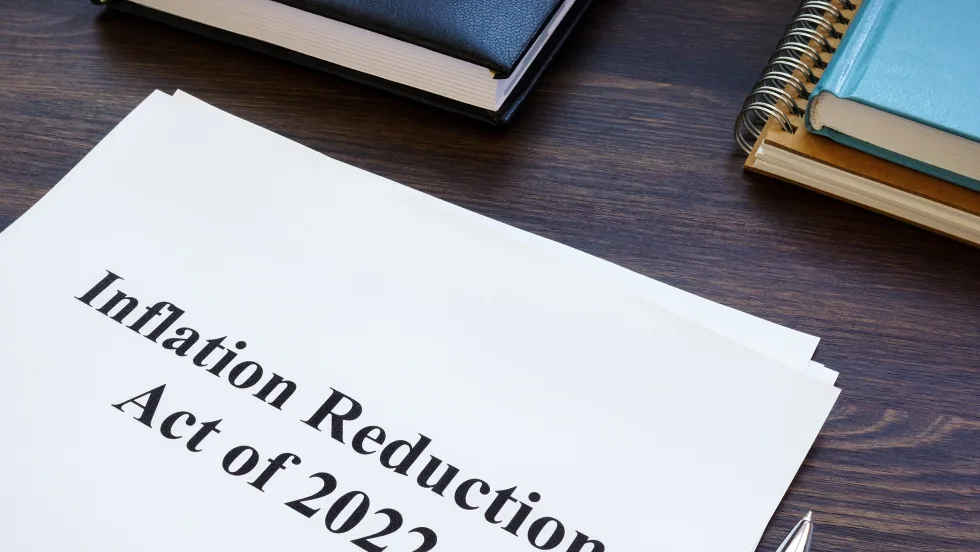
Read More →The $499-billion federal legislation is full of carbon reduction, resiliency, and clean energy incentives.
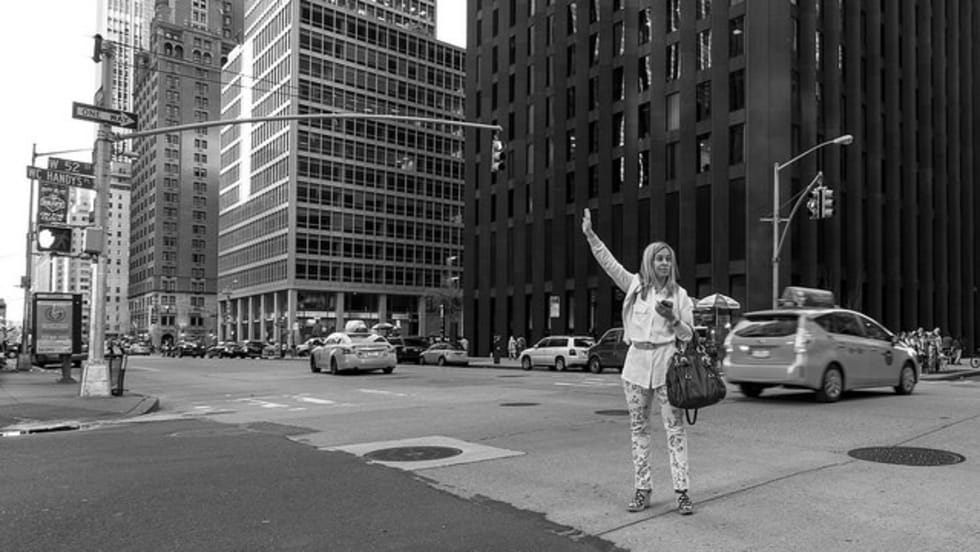
Read More →Tech-enabled ride-hailing services like Uber and Lyft already appear to be acting as a complement to public transit. Uber analyzed its Los Angeles trip data to in this light. Over the course of a month, Uber found that 22 percent of trips taken near Metro stations took place during rush hour (between 7 a.m. and 10 a.m. and 4 p.m. and 7 p.m. Monday through Friday). This data could be telling us that people are using Uber like they might use bikeshare, as a last-mile and first-mile connection to transit.
Read More →