



50 years of public transit milestones and memories
In the public transit world, 1964 marked the world’s first high-speed rail network, driverless train and California breaking ground on the BART system. It was an important year for public transportation in Philadelphia, too. On Feb. 18, 1964, the organizational meeting that established what is now the nation's sixth largest transportation agency —SEPTA — was held.

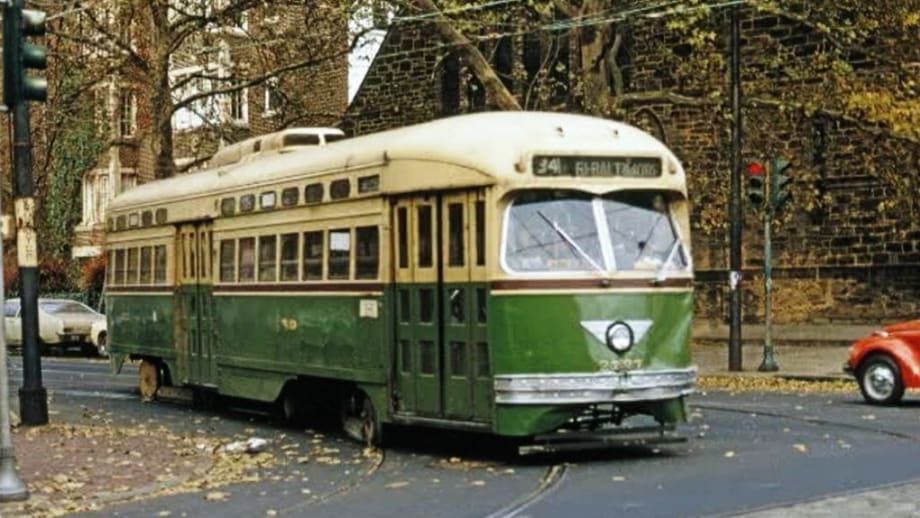
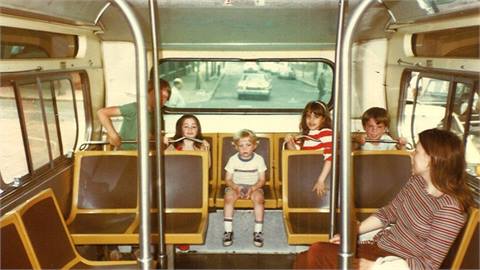
1964 was a momentous year for transportation.
Car enthusiasts will remember it as the year Ford revolutionized the auto industry with the introduction of the Mustang.
In the public transit world, 1964 marked the world’s first high-speed rail network (in Japan), the first driverless train (on the London Underground - video), double-decker cars being introduced on suburban railways in Sydney and Northern California breaking ground — with President Lyndon B. Johnson in attendance — on the Bay Area Rapid Transit District (BART) system.
Fifty years ago was an important time for public transportation in the Philadelphia region, too. On Feb. 18, 1964, the organizational meeting that established what is now the nation's sixth largest transportation agency— the Southeastern Pennsylvania Transportation Authority (SEPTA) — was held.

SEPTA was formed at a time when local, nearly bankrupt transit and rail companies were looking to exit the passenger business altogether. The transit system was charged with the planning, development, and coordination of a regional transportation system for Philadelphia, Bucks, Chester, Delaware and Montgomery (Pa.) counties, which started with the absorption of the Philadelphia Transit Co. (PTC) in September 1968.
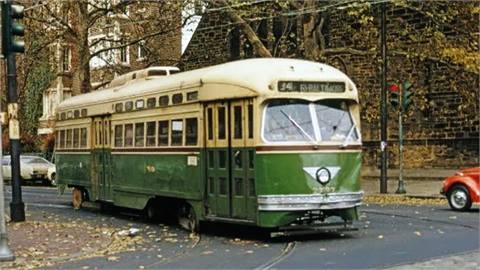
SEPTA will celebrate its golden anniversary throughout 2014, posting "Throwback Thursday" and "Flashback Friday" features on a special website. And, in keeping with its commitment to public service, the agency is asking passengers to join the party by sharing their "first ride" stories and participating in contests via iSEPTAPHILLY.com.
“We know that there are people who, although they have moved from the Philadelphia region, still fondly recall taking the train to the city for special family day out or riding the bus to school,” said SEPTA GM Joe Casey. “We are inviting all of our customers, past and current, near and far, to send their SEPTA memories.“
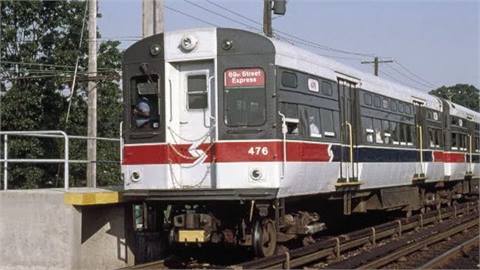
SEPTA is also using its anniversary to establish an official archive, to which the public, transit enthusiasts, and current and former transit system employees can contribute SEPTA artifacts and memorabilia they have collected over the last 50 years.
“This is the first time we will host a formal site for SEPTA photos, documents and keepsakes,” said Casey.
For information about SEPTA’s fabulous 50th festivities and how to contribute memories and items to the archive, click here.
In case you missed it...
Read our METRO blog, "Transit tech's future showcased at ITS World Congress"
More Blog Posts
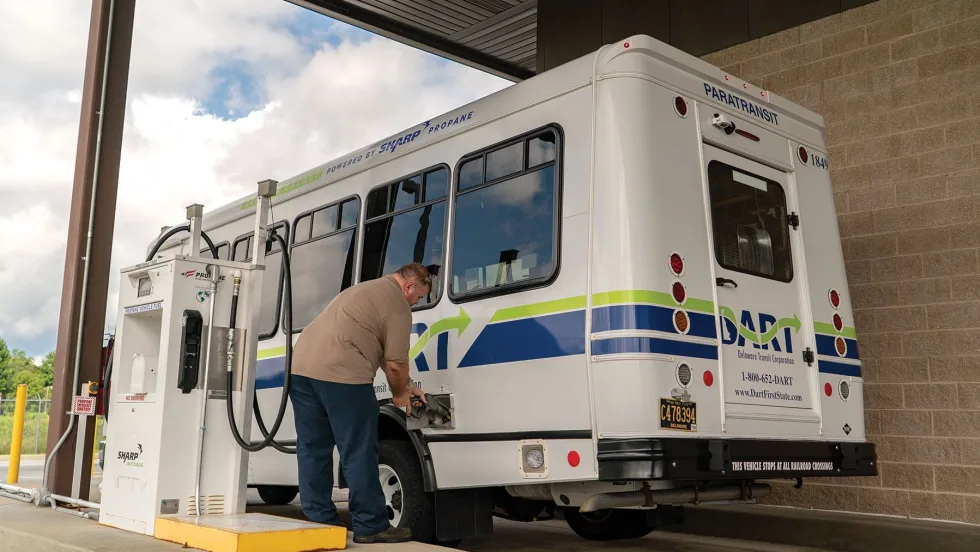
Building a Winning FTA Grant Proposal: Why Propane Autogas is the Pragmatic Choice for Fleet Resilience
With $610 million available through the FY 2026 Buses and Bus Facilities Competitive Program and the Low or No Emission Grant Program, agencies must build a compelling case before the September 21 deadline that balances environmental compliance with operational feasibility.
Read More →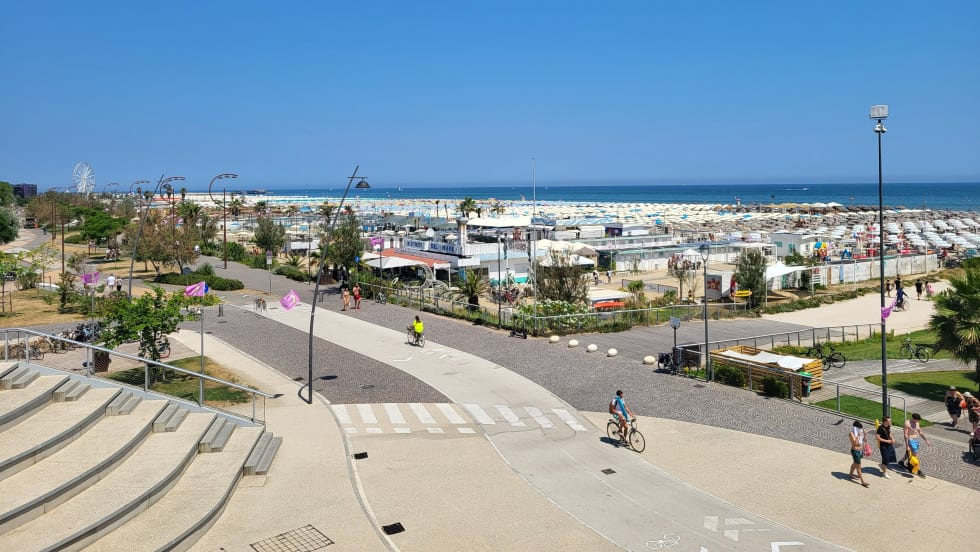
Velo-city Conference 2026: Latest Trends in Cycling as Part of Urban Mobility
The global cycling conference highlighted how cities are integrating bicycles into multimodal transportation networks, expanding cycle tourism and reshaping urban mobility.
Read More →
Kindness Isn’t Soft...It’s Strategic.
Mike Bismeyer — often known as “The Kindness Guy” — has spent more than 17 years in public transit and mobility, serving in industry leadership roles, speaking across North America, and advocating for stronger workplace cultures. But his message doesn’t come from theory. It comes from lived experience.
Read More →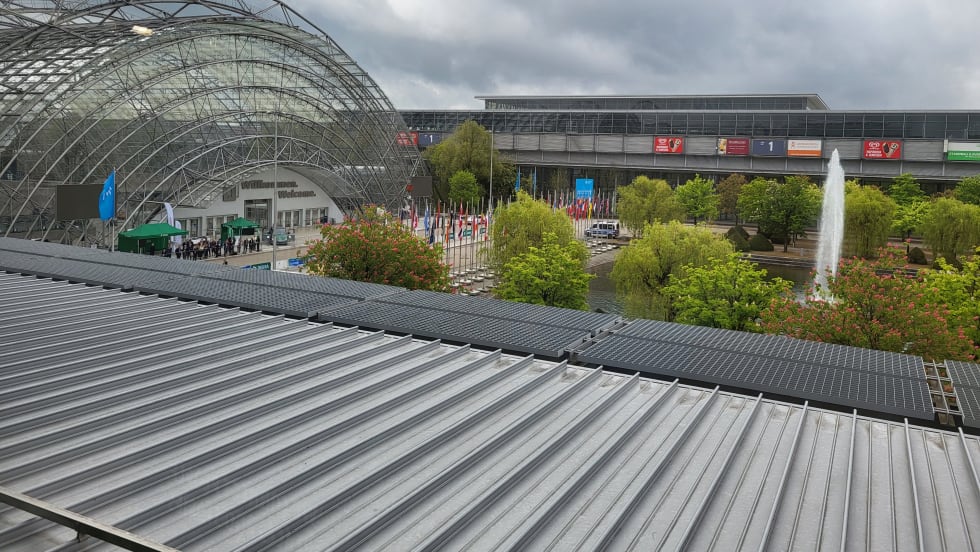
Inside ITF 2026: Transport Reacts to A Challenging World
Transport leaders from around the world gathered in Leipzig, Germany, for the 2026 International Transport Forum to discuss resilience, climate impacts, supply chains and the future of sustainable mobility.
Read More →
Every Ride Tells a Story — But You’re Not Just Selling the Ride
You’re selling the moment, the meaning, and the emotion behind it.
Read More →
How Digital Signage is Reshaping the Traveler Experience at Transportation Hubs
What was once a landscape of static signs has evolved into a responsive, immersive environment powered by real-time visual communication.
Read More →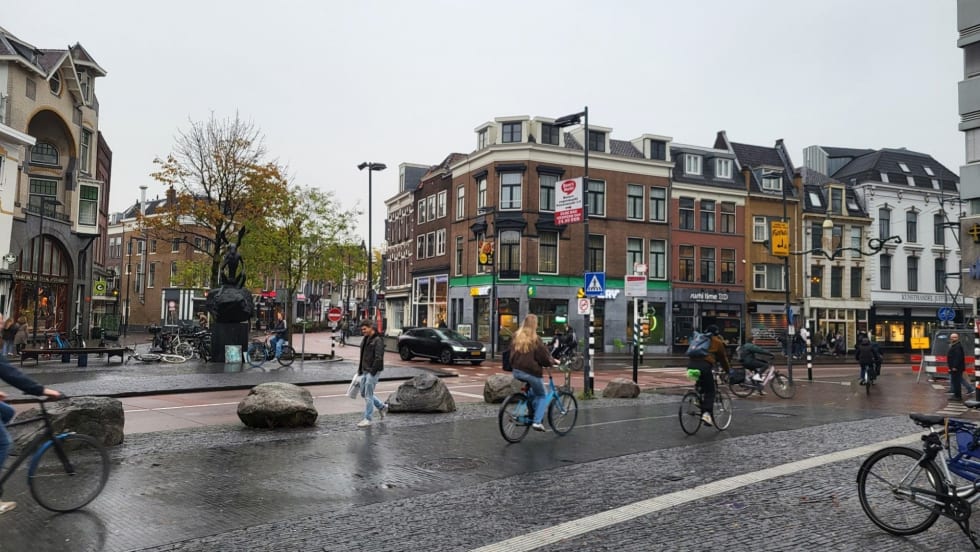
Latest Trends in Urban Mobility from Polis Conference 2025
Polis comprises cities and regions, as well as corporate partners, from across Europe, promoting the development and implementation of sustainable mobility. This year’s event had over a thousand attendees across various policy forums and an exhibition.
Read More →
Why Transit Leaders Require Better Tools for Operational Clarity In Today’s Tech-Fragmented Environment
Across North America and beyond, transit agency officials are contending with a perfect storm of operational headaches and strategic challenges that hamper daily service and long-term progress.
Read More →
The Powerless Brokers: Why California Can’t Build Transit
It is no secret that transit in the U.S. is slow and expensive to build.
Read More →
Why Transport Sustainability Should Focus on People Instead of Cars
Simply incentivizing electrification is not enough to make a meaningful impact; we must shift our focus toward prioritizing public transportation and infrastructure.
Read More →