
Metro Magazine

 MENU
 SEARCHMENUSEARCH
Loading data...

Policy could allow transportation companies to permanently ban any passengers who commit sexual assault or harassment on that transportation line.
Read More →



The goal of the campaign is to promote awareness that CTA will not tolerate harassment on its trains, buses or other CTA property and to provide helpful information to customers who believe they are the victims of harassment.
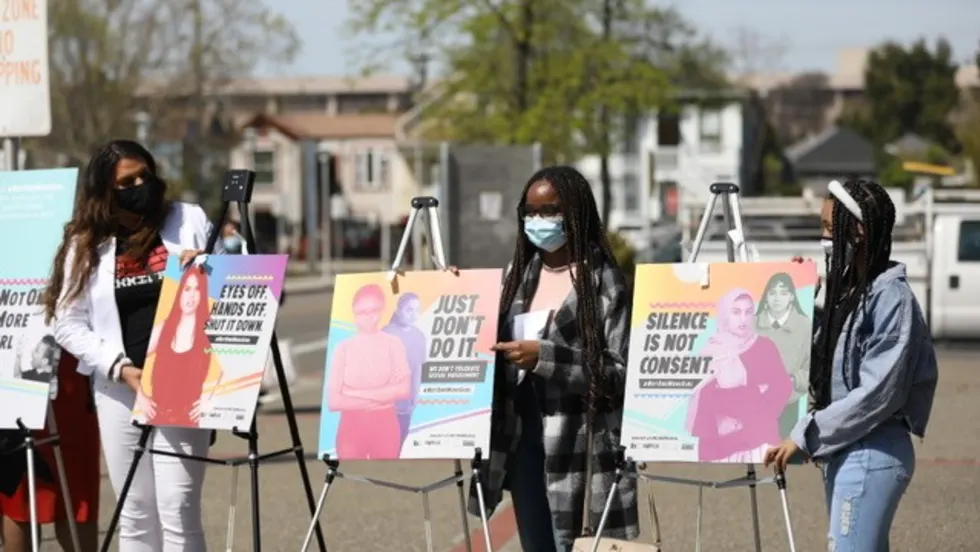
Read More →The #NotOneMoreGirl campaign brings Black and Latinx youth, artists, and community advocates together to overhaul safety on BART.
Read More →Hollaback says it has offered to partner with the city to make the transit system safer for women but has been disappointed by its response.
Read More →The purpose of the banning policy is to prohibit a person who commits a sex or sex-related crime or any assault on a WMATA employee, contractor, or customer from entering or using the agency’s system, properties, or facilities for more than 24 hours.
Read More →The motorized dress has proximity sensors built in, and when they detect someone invading the wearer's personal space, they trigger a plastic scaffolding around the dress' hem to expand.
Read More →Women in New York City spend an average $26 to $50 extra per month to stay safe on transportation.
Read More →When Paul MacMillan started at the transit agency in the 1980s, only about 80 officers patrolled the system, he said. Now, about 250 do.
Read More →The initiative is a BIPOC youth-led initiative in partnership with community-based organizations and BART to end gender-based violence.
Read More →Only about one-third of surveyed transit agencies believed specific programs should be put in place for women and only three had initiated programs addressing women's security needs.
Read More →