




RELATED: Protect Your Passengers So They Don't Need to Say #MeToo
The Pink Tax on Transportation: Women’s Challenges in Mobility
Women in New York City spend an average $26 to $50 extra per month to stay safe on transportation.
February 8, 2019
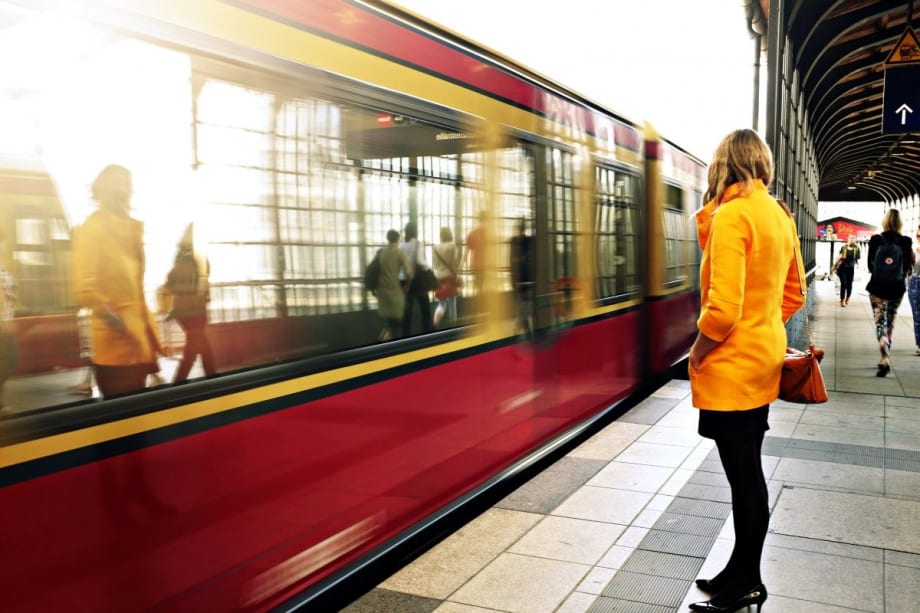
Almost one-third (30%) of female respondents to a Rudin Center for Transportation at NYU study choose not to ride public transportation late at night. Photo: Public Domain
2 min to read
Almost one-third (30%) of female respondents to a Rudin Center for Transportation at NYU study choose not to ride public transportation late at night. Photo: Public Domain
Women in New York City spend an average $26 to $50 extra per month to stay safe on transportation.
The Rudin Center for Transportation at New York University studied how the Pink Tax applies to transportation in New York City. The Pink Tax is a form of gender-based price discrimination; it’s the extra amount that women pay for certain products and services, like deodorant and dry cleaning.
According to the survey of 547 New Yorkers, 75% of female responses indicated experiencing some form of harassment or theft while using public transportation, compared to 47% of male responses. The results suggest that women consider different factors than men while making transportation-related decisions. Almost one-third (30%) of female respondents choose not to ride public transportation late at night. Instead, they tend to utilize transportation options like for-hire vehicles and taxis which are often more expensive.
Of those who have been harassed, a mere 12% reported the incident to authorities. The disconnect between incidents and reporting the incident to authorities was illustrated in one response, “The notion of reporting everyday harassment to the authorities is bizarre to me. What would they do?”
Most respondents who take frequent caregiver trips add more than $75 to their monthly travel expenses. When added to the cost of safety, we estimate that the Pink Tax on women caregivers in New York City can reach up to $100 per month in addition to regular travel expenses.
Due the survey’s online deployment, respondents consist of a well-educated subset, with a disproportionate number residing on Manhattan’s Upper West Side. Further research will consider how women who cannot afford to switch modes manage issues of harassment on public transportation.
Sarah M. Kaufman is Associate Director // Adjunct Professor of Planning and Gloria Campbell is a graduate assistant at the Rudin Center for Transportation at New York University.
Subscribe to Our Newsletter
More Blog Posts
Improving Transit Accessibility by Offering Assistive Listening
Did you know that there are literally tens of millions of people worldwide with hearing loss, many of whom will use some form of public transit at some point?
Read More →
35 Years of the ADA, Making Travel Easier for Seniors
Thirty-five years after the passage of the Americans with Disabilities Act of 1990 (ADA), the impact of this landmark piece of civil rights legislation cannot be overstated.
Read More →
Driving Performance with Purpose: How I Lead One of Greyhound’s Top Teams
Safety, on-time performance, and customer experience are critical elements in intercity bus operations. But getting them right doesn’t come down to plans or protocols alone. It comes down to execution. How well your team performs on the ground, in real time, is what defines success.
Read More →
Navigating Emerging Privacy Laws: A Call to Action for Service Providers in Mass Transit
With Data Privacy Day Jan. 28, I want to spotlight a critical challenge faced by service providers in the mass transit sector: managing personal information responsibly in an era of rapidly evolving privacy regulations.
Read More →
Human Trafficking Awareness: What Public Transportation Can Do?
January is National Slavery and Human Trafficking Prevention Month in the U.S., and January 11 is National Human Trafficking Awareness Day.
Read More →
Want to Improve Transit Safety and Operations? Break Down the Silos
Retrieving and reviewing data and video can be a cumbersome process for fleet managers. Each system or tool provides a piece of the puzzle, but seeing the complete picture requires tedious manual synchronization.
Read More →
Ensuring Public Transit Cybersecurity Through Robust Protective Measures
In today’s highly connected world, cybersecurity is of utmost importance, particularly for transportation agencies overseeing transit bus systems that rely increasingly on sophisticated technologies, including the use of data analytics in traffic signal networks, to manage and operate their systems.
Read More →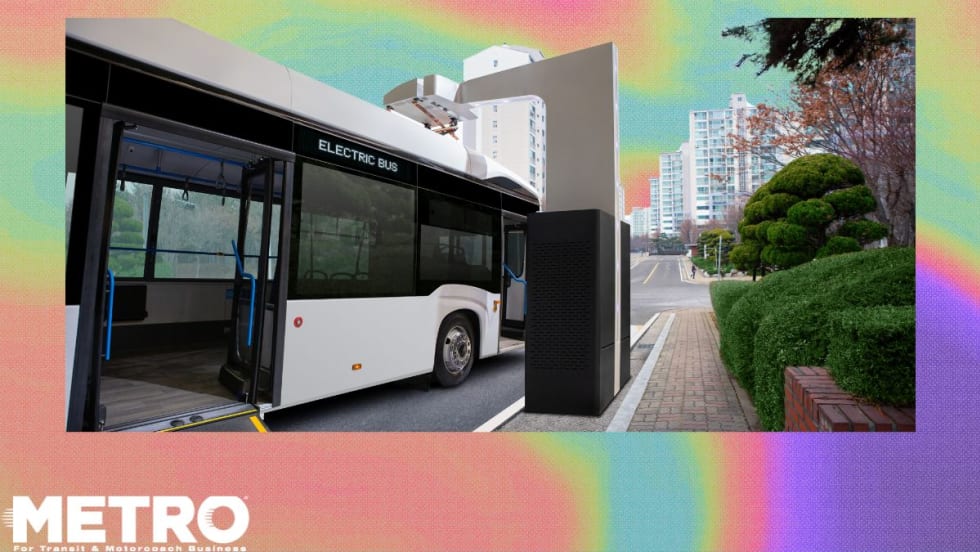
How Advances in Thermal Management Revolutionize Urban Mobility
In the daily hustle and bustle of city life, transit buses serve as the backbone of urban transportation, allowing millions of city dwellers to get from point A to point B each day reliably.
Read More →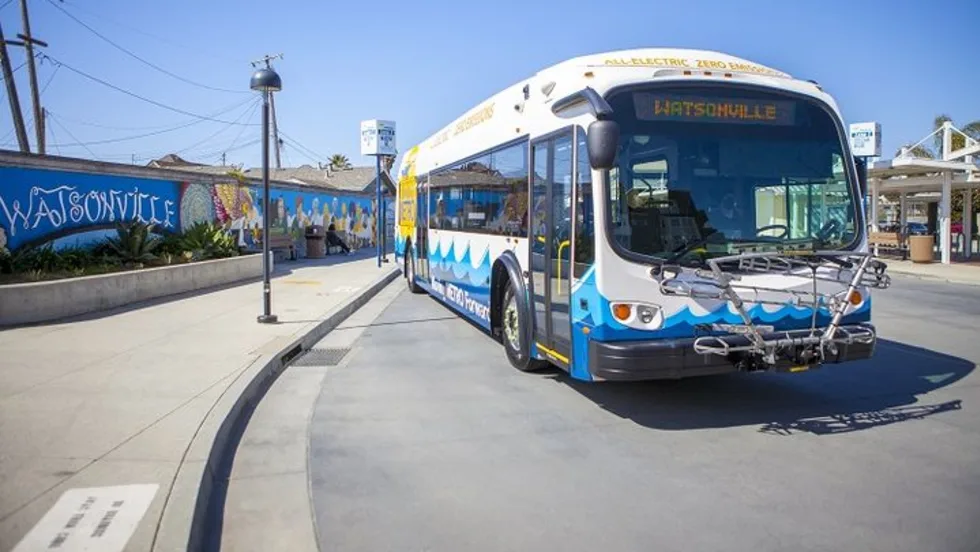
The Evolution of Bus Design
Thirty years ago, drivers not only had to drive the bus and navigate heavy traffic, but they were also responsible for tasks like supervising passenger loading and unloading, selling tickets, and providing passengers with various kinds of information, all while sitting in an often ill-fitting workstation.
Read More →
What 'Transit Safety 101' Really Means
Safety, Safety, Safety. This word is used repeatedly, and in many contexts, without most people understanding what it actually means.
Read More →