
Metro Magazine

 MENU
MENU SEARCHMENUSEARCH
Loading data...
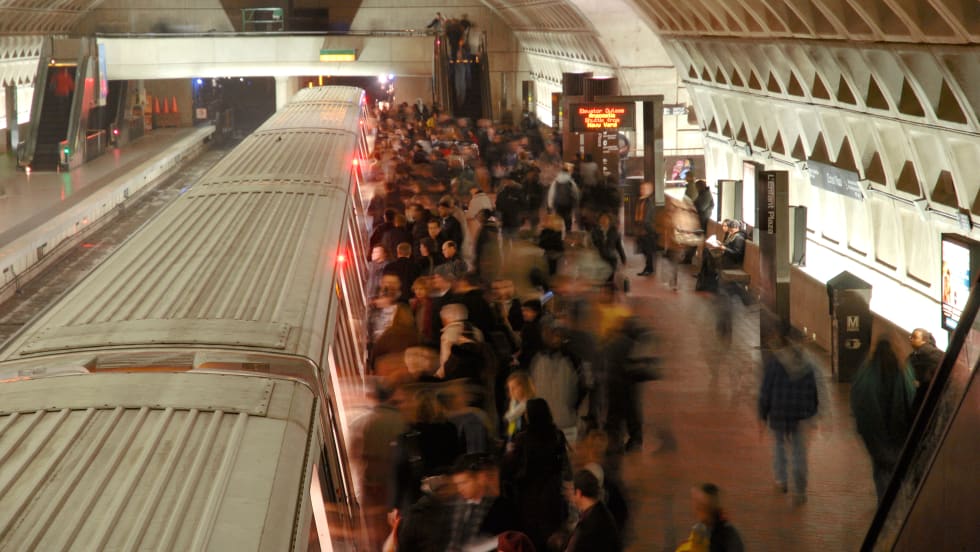
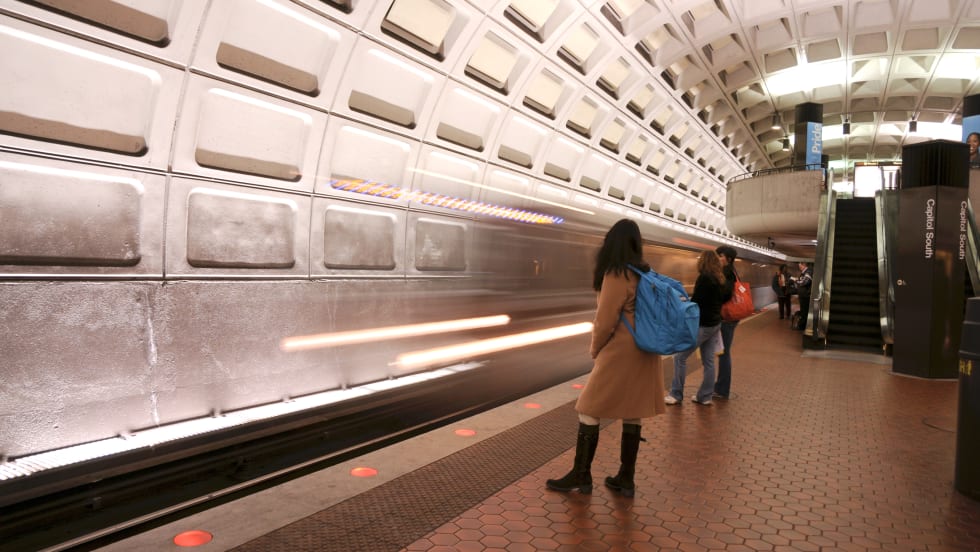
The lack of cell phone coverage was exposed most recently after the Jan. 12 smoke incident at L’Enfant Plaza when passengers aboard Yellow Line train No. 302 struggled to connect to 911 as smoke filled the railcars just a few hundred feet south of the station platform.
Read More →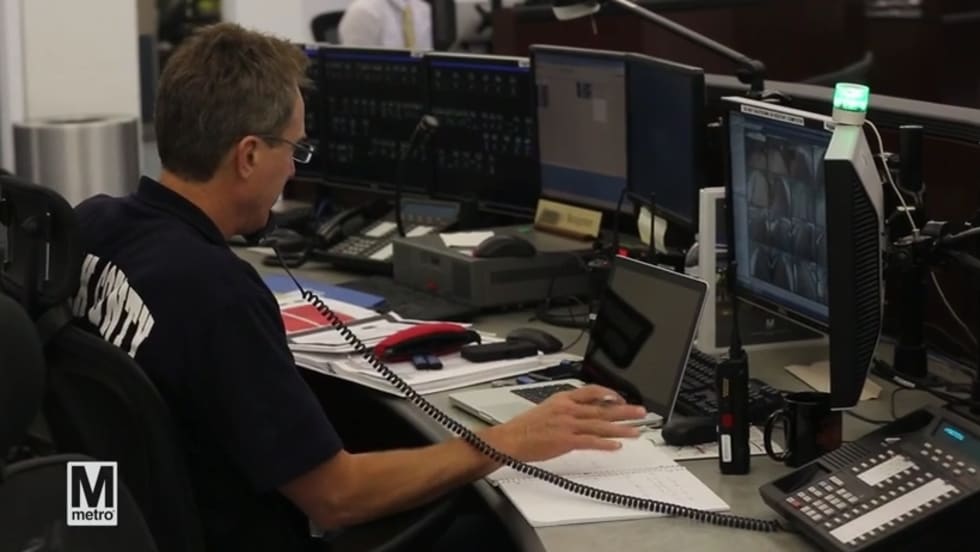

This addition will provide a uniformed fire officer in the “nerve center” of the Metrorail system 40 hours a week to help coordinate emergency communication between Metro and first responders.
Read More →In times of disaster or tragedy, public transit agencies are frequently called upon to assist their communities and other transportation organizations. In case of fire, evacuation or accident, buses may be used to shelter or transport the displaced or injured, or serve as a respite site for first responders.
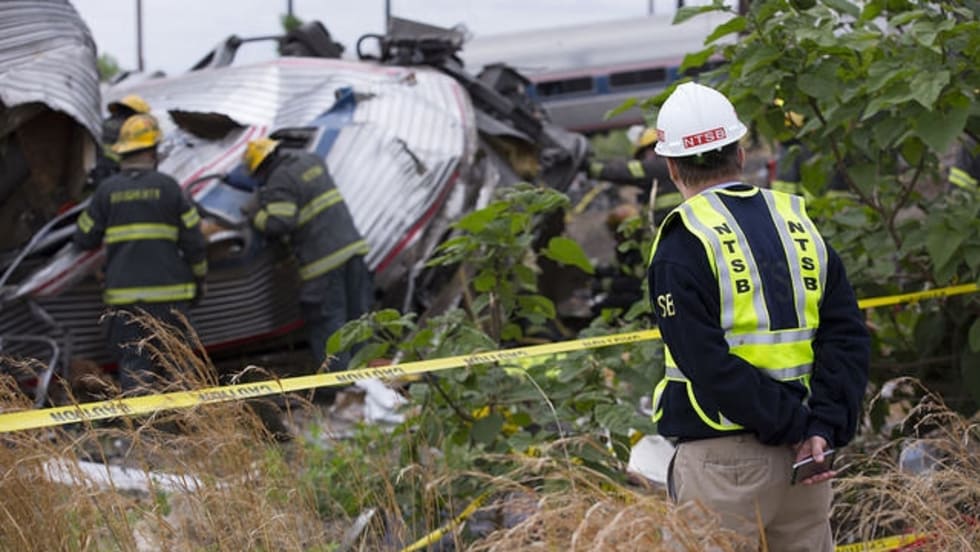
Read More →The order is the latest in a series of actions the FRA has taken in the wake of last week’s derailment of Amtrak Train #188.
Read More →The passenger rail operator is seeking expedited FCC approval to equip the site of the Philadelphia dertailment with positive train control technology.
Read More →The 60-second videos, available in English and Spanish, will be aired on local television stations as Public Service Announcements. In addition, Metro has purchased paid advertising time to maximize awareness. The ads will begin airing next week.
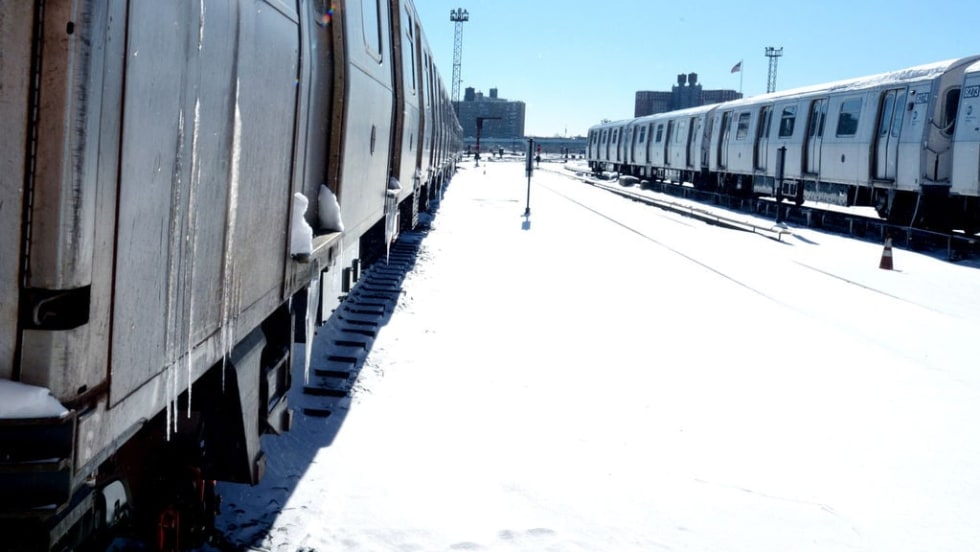
Read More →The plan, which affects NYCT subways, buses and the Staten Island Railway, is updated and put into effect in mid-November each year in an effort to anticipate the effect of inclement weather on service.
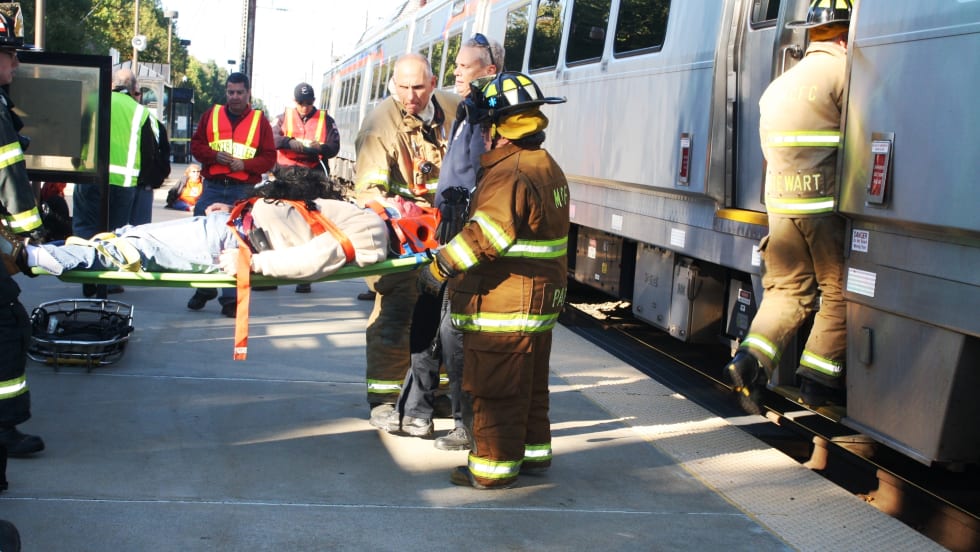
Read More →What constitutes a “normal” day in the transit industry? In an instant, regular service can be halted due to an accident, fire or unattended package. In most cases, these incidents are quickly resolved and routine operations are restored after minor disruption, but there is always a chance that a situation can escalate into a large-scale event, requiring the response of a transit agency’s emergency and operations personnel, working alongside a community’s first responder units.
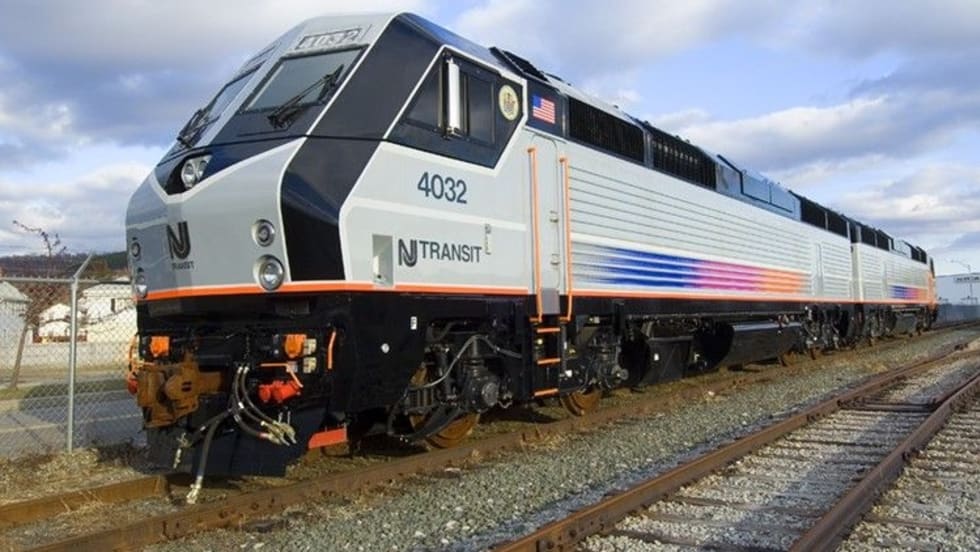
Read More →There are seven plans in all, including separate documents for each mode of transportation — bus, light rail and commuter rail — as well as plans for the NJ Transit Police Department and disability services and a corporate plan.
Read More →Makes requirements for initial and periodic training, operational efficiency tests, and inspections of certain railroad personnel apply not only to on-board crewmembers and control center personnel, but also to the emergency response communications center personnel.
Read More →