



Emergency Plans: How Transit Prepares for the Worst
What constitutes a “normal” day in the transit industry? In an instant, regular service can be halted due to an accident, fire or unattended package. In most cases, these incidents are quickly resolved and routine operations are restored after minor disruption, but there is always a chance that a situation can escalate into a large-scale event, requiring the response of a transit agency’s emergency and operations personnel, working alongside a community’s first responder units.

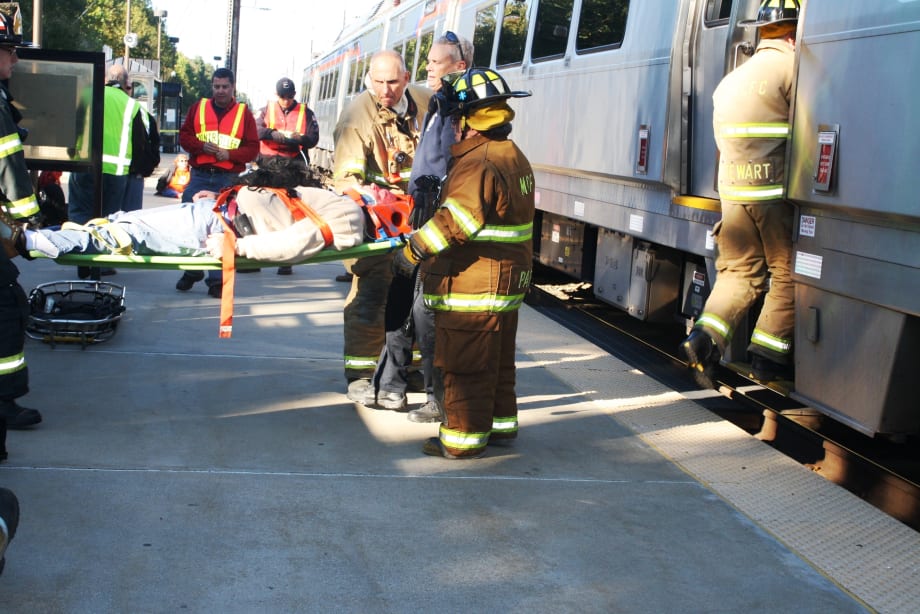
SEPTA staff — and several southern New Jersey area fire/rescue personnel also participating in the crisis training program — worked through every aspect of incident management for disasters occurring in a fictitious town.
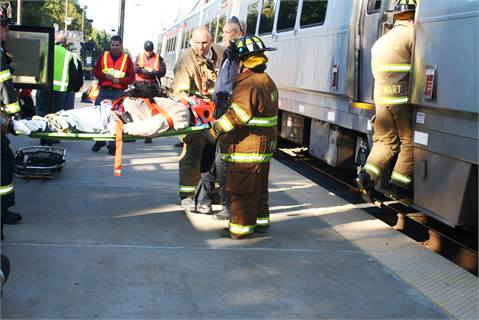
SEPTA staff — and several southern New Jersey area fire/rescue personnel also participating in the crisis training program — worked through every aspect of incident management for disasters occurring in a fictitious town.
What constitutes a “normal” day in the transit industry? In an instant, regular service can be halted due to an accident, fire or unattended package. In most cases, these incidents are quickly resolved and routine operations are restored after minor disruption, but there is always a chance that a situation can escalate into a large-scale event, requiring the response of a transit agency’s emergency and operations personnel, working alongside a community’s first responder units. While one hopes to never have to answer a call to a catastrophic accident, transit agencies must be ready for the worst, with a plan that can be put into action at a moment’s notice.
The best way to prepare for an emergency is through regular drills and continual training for a transit organization’s staff — not just operations, safety and police officers, but all employees that might be called into action when an emergency occurs. Recently, more than 30 SEPTA staff members, ranging from operations, police, media relations, IT and System Safety, had the opportunity to attend a week-long jurisdictional crisis training program at the Texas A&M Engineering Extension Service (TEEX) facility in College Station, Texas, as part of a homeland security grant.
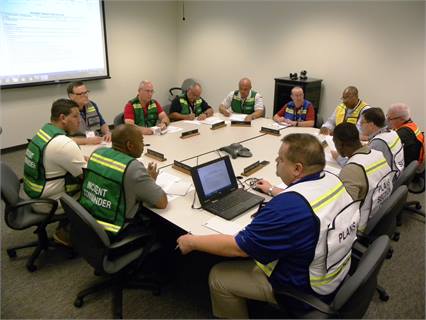
More than 30 SEPTA staff members had the opportunity to attend a week-long jurisdictional crisis training program at the Texas A&M Engineering Extension Service (TEEX) facility in College Station, Texas, as part of a homeland security grant.
Over the course of the program, SEPTA staff — and several southern New Jersey area fire/rescue personnel also participating in the grant program — worked through every aspect of incident management for disasters occurring in a fictitious town. Under the guidance of instructors with incident command and response experience from organizations including the Los Angeles Fire Department; Arlington, Va., Police Department; Massachusetts State Police and NYPD, the training participants role played and set up command posts, dispatched emergency personnel, interacted with joint terrorism task forces, gave press briefings, and managed supply ordering and finances, all in real-time. To help attendees gain a better idea of the jobs of their colleagues, they were often assigned to positions other than their everyday jobs. On the final day of training, the group was assigned roles as close to their usual positions for a SEPTA-related scenario.
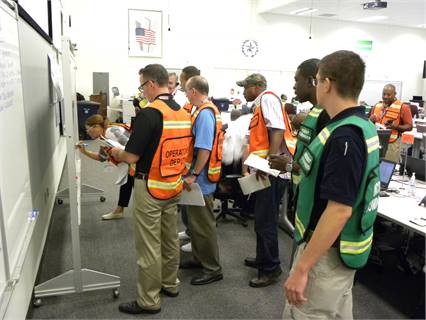
The TEEX facility setting allowed for program participants to get as close to a “real time and “in the field” experience as possible. Group members collaborated on action plans based on information they gathered in their individual units. Instructors monitoring from above the exercise floor made calls to the units, representing the “mayor” or other key law enforcement personnel. Instructors on the floor monitored participant interaction and offered guidance when needed. All conversations were recorded and played back and analyzed during after action “hot wash” sessions.
"Managing a large scale critical incident requires having a familiarity with the various response elements and exposure to the required processes and documentation necessary to facilitate success,” said SEPTA Police Chief Thomas Nestel, who attended the TEEX program. “The training dropped the Transit Police and various other SEPTA employees into several mass casualty scenarios that helped them understand each piece of the emergency response puzzle. The TEEX training facility, simulation technology and staff were phenomenal."
In addition to offering extended training for staff, SEPTA also sponsors annual drills for the local police, fire and medic groups that will work with the authority during a crisis. “Our employees are well-versed in the layout of our properties, trains and buses, but the first responders we might work with during an incident are not,” said Scott Sauer, SEPTA’s chief officer, system safety. “To lessen the chaos that can occur during an emergency, SEPTA offers training to local responders on how to safely access and handle urgent situations on our vehicles and in our facilities. The drills also allow SEPTA staff to develop relationships with our local police and fire departments.”
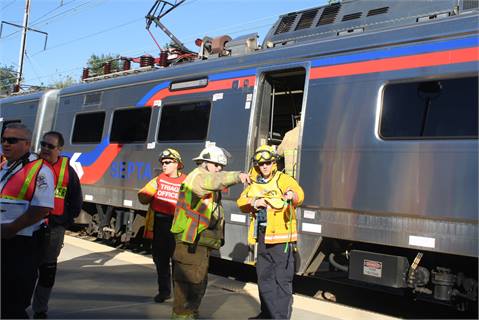
SEPTA traveled to New Castle County, Del., for a coordinated response to a train “derailment” on its Wilmington-Newark Regional (commuter) Rail Line.
This year, SEPTA traveled to New Castle County, Del., for a coordinated response to a train “derailment” on its Wilmington-Newark Regional (commuter) Rail Line, which operates on Amtrak’s Northeast Corridor. Area firefighters and paramedics joined Amtrak personnel SEPTA System Safety, Police and Railroad Operations staff to respond to a multiple casualty, possible terroristic incident, which was tracked in real-time. A hot wash session followed the drill, allowing all participating units to evaluate their work and provide feedback.
“Emergency drills not only help staff practice their skills, the activities also demonstrate to our riders that we are evaluating our safety programs regularly,” said Sauer.
More Blog Posts
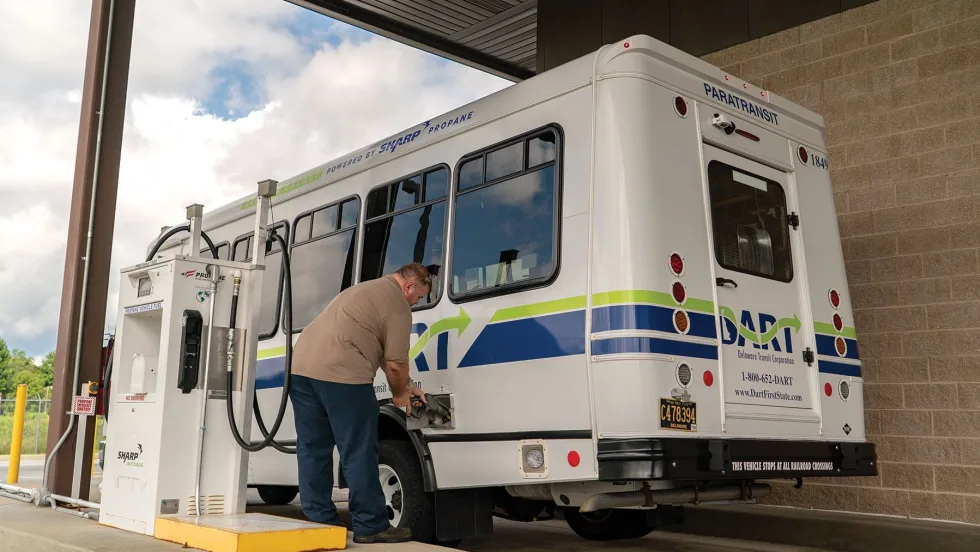
Building a Winning FTA Grant Proposal: Why Propane Autogas is the Pragmatic Choice for Fleet Resilience
With $610 million available through the FY 2026 Buses and Bus Facilities Competitive Program and the Low or No Emission Grant Program, agencies must build a compelling case before the September 21 deadline that balances environmental compliance with operational feasibility.
Read More →
Velo-city Conference 2026: Latest Trends in Cycling as Part of Urban Mobility
The global cycling conference highlighted how cities are integrating bicycles into multimodal transportation networks, expanding cycle tourism and reshaping urban mobility.
Read More →
Kindness Isn’t Soft...It’s Strategic.
Mike Bismeyer — often known as “The Kindness Guy” — has spent more than 17 years in public transit and mobility, serving in industry leadership roles, speaking across North America, and advocating for stronger workplace cultures. But his message doesn’t come from theory. It comes from lived experience.
Read More →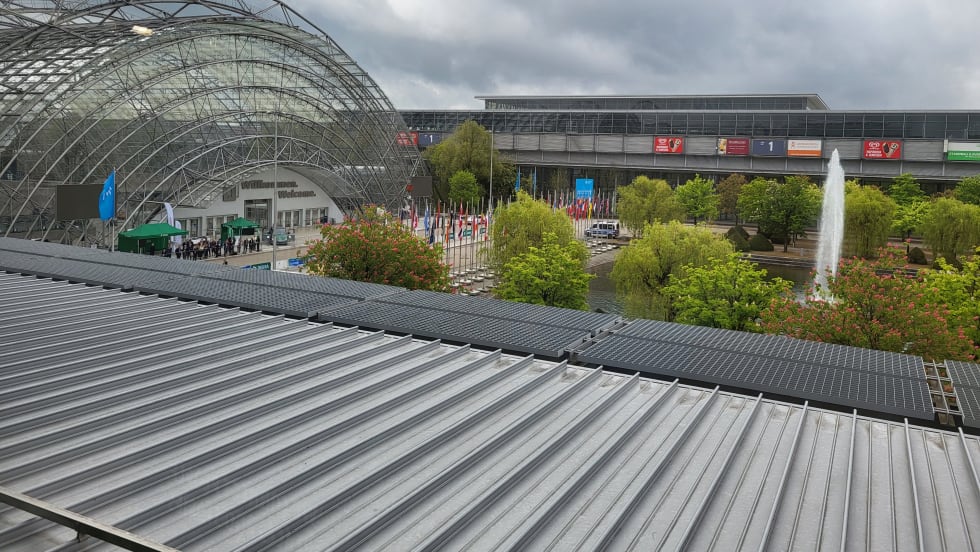
Inside ITF 2026: Transport Reacts to A Challenging World
Transport leaders from around the world gathered in Leipzig, Germany, for the 2026 International Transport Forum to discuss resilience, climate impacts, supply chains and the future of sustainable mobility.
Read More →
Every Ride Tells a Story — But You’re Not Just Selling the Ride
You’re selling the moment, the meaning, and the emotion behind it.
Read More →
How Digital Signage is Reshaping the Traveler Experience at Transportation Hubs
What was once a landscape of static signs has evolved into a responsive, immersive environment powered by real-time visual communication.
Read More →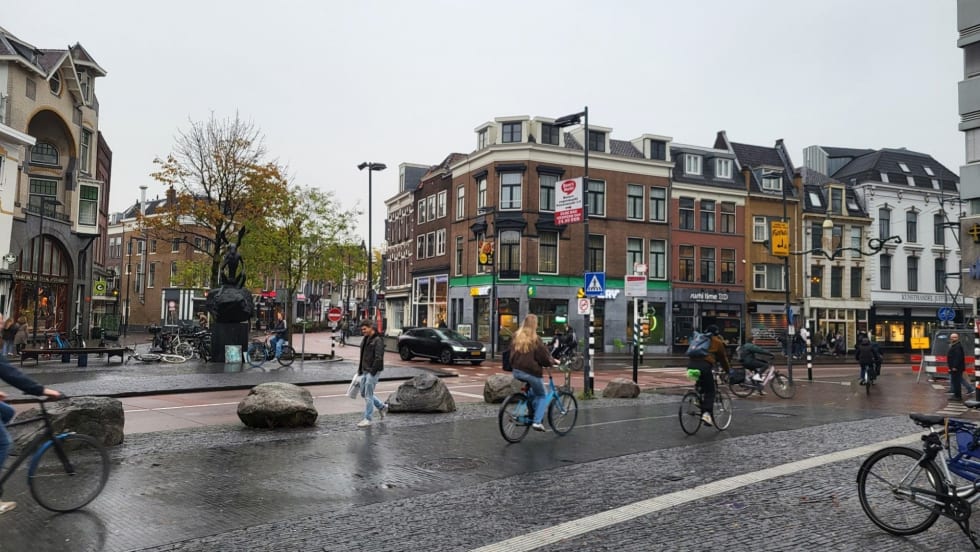
Latest Trends in Urban Mobility from Polis Conference 2025
Polis comprises cities and regions, as well as corporate partners, from across Europe, promoting the development and implementation of sustainable mobility. This year’s event had over a thousand attendees across various policy forums and an exhibition.
Read More →
Why Transit Leaders Require Better Tools for Operational Clarity In Today’s Tech-Fragmented Environment
Across North America and beyond, transit agency officials are contending with a perfect storm of operational headaches and strategic challenges that hamper daily service and long-term progress.
Read More →
The Powerless Brokers: Why California Can’t Build Transit
It is no secret that transit in the U.S. is slow and expensive to build.
Read More →
Why Transport Sustainability Should Focus on People Instead of Cars
Simply incentivizing electrification is not enough to make a meaningful impact; we must shift our focus toward prioritizing public transportation and infrastructure.
Read More →