



[Blog] Keeping the Rails Running in Time of Tragedy
In times of disaster or tragedy, public transit agencies are frequently called upon to assist their communities and other transportation organizations. In case of fire, evacuation or accident, buses may be used to shelter or transport the displaced or injured, or serve as a respite site for first responders.

![[Blog] Keeping the Rails Running in Time of Tragedy](https://assets.bobitstudios.com/image/upload/f_auto,q_auto,dpr_auto,c_limit,w_920/SEPTA-westTrentonLineExterior_1767982414157_cviswp.jpg)
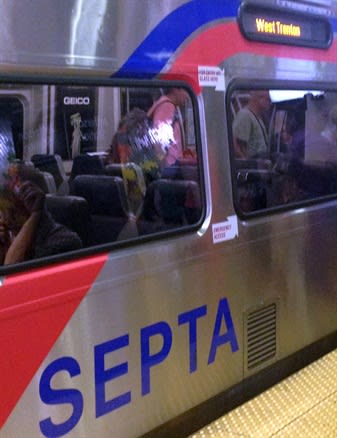
In times of disaster or tragedy, public transit agencies are frequently called upon to assist their communities and other transportation organizations. In case of fire, evacuation or accident, buses may be used to shelter or transport the displaced or injured, or serve as a respite site for first responders. Transit police departments regularly work side-by-side with local law enforcement officers during emergencies. When a transit authority loses the use of its vehicles or infrastructure due to a catastrophic event, a sister agency can be called upon to help, as the Southeastern Pennsylvania Transportation Authority (SEPTA) did following Hurricane Sandy by loaning 30 buses to NJ Transit to be used for rail shuttle operations.
Often, public transit organizations are working to get communities back to a semblance of normalcy when a tragic event occurs, as seen following the derailment of Amtrak Train #188 in Philadelphia on May 12.
“The night of the accident, SEPTA Transit Police offered on-scene support at Frankford Junction and our Surface Operations quickly mobilized to transport injured passengers to area hospitals,” said SEPTA GM Joseph Casey. “While these early assist efforts took place, work was already beginning to establish an enhanced service plan for our West Trenton Regional Rail [commuter] Line and other travel alternatives.”
Amtrak’s Northeast Corridor (between Washington D.C. and Boston) is the nation’s busiest passenger rail service area — it had 11.6 million riders in fiscal year 2014. When the derailment stopped train travel between Philadelphia and New York for almost a week, thousands of travelers — including the 12,000 daily riders of SEPTA’s Trenton Line that uses the same Amtrak tracks through the accident scene — were left to find alternate means of travel. Working in collaboration, SEPTA and NJ Transit were able to get thousands of those travelers to their destinations between Philadelphia and New York.
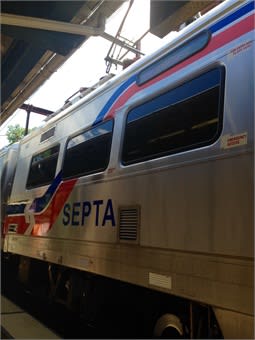
The terminus of SEPTA’s West Trenton Line, which runs to Philadelphia, is just a few miles from the Trenton Transportation Center. Following the derailment, NJ Transit was still able to operate trains from Trenton to New York City. Partnering with NJ Transit, SEPTA took passengers on trains from Philadelphia to West Trenton and NJ Transit ran shuttle buses from West Trenton to the Trenton Transportation Center for travel to-and-from New York. The West Trenton Line, which has a daily ridership of 13,400, saw passenger loads of 15,500, 16,000 and 15,100 in the three days following the derailment. SEPTA added trains to the West Trenton Line to accommodate this increased ridership. The authority also ran shuttle buses from a station along the Trenton Line to its Frankford Transportation Center for the Market-Frankford subway-elevated line and partnered with local churches and businesses to accommodate increased parking near stations. SEPTA employee ambassadors were available at stations during rush hour to direct passengers to shuttles and trains.
“The response to this tragedy took a tremendous, multi-departmental, effort from across SEPTA,” said Casey. “This situation was upsetting and challenging but SEPTA staff displayed the highest levels of professionalism, cooperation, and compassion, adjusting to a quickly evolving situation and working to keep our customers informed and supported. We are always proud of the excellent work done in the course of a regular service day but the level of effort put forth in an emergency situation demonstrates the true commitment to customers and community shared by all public transportation organizations.”
Heather Redfern is the Public Information Manager for the Southeastern Pennsylvania Transportation Authority.
In case you missed it...
Read our previous blog, "Adjust Your Bus Mirrors Before Leaving the Yard"
More Blog Posts
Building a Winning FTA Grant Proposal: Why Propane Autogas is the Pragmatic Choice for Fleet Resilience
With $610 million available through the FY 2026 Buses and Bus Facilities Competitive Program and the Low or No Emission Grant Program, agencies must build a compelling case before the September 21 deadline that balances environmental compliance with operational feasibility.
Read More →
Velo-city Conference 2026: Latest Trends in Cycling as Part of Urban Mobility
The global cycling conference highlighted how cities are integrating bicycles into multimodal transportation networks, expanding cycle tourism and reshaping urban mobility.
Read More →
Kindness Isn’t Soft...It’s Strategic.
Mike Bismeyer — often known as “The Kindness Guy” — has spent more than 17 years in public transit and mobility, serving in industry leadership roles, speaking across North America, and advocating for stronger workplace cultures. But his message doesn’t come from theory. It comes from lived experience.
Read More →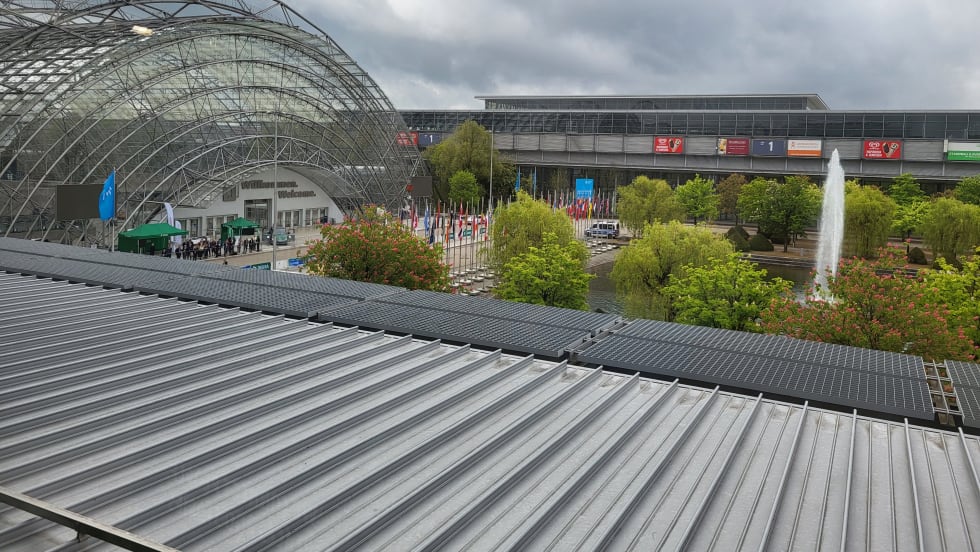
Inside ITF 2026: Transport Reacts to A Challenging World
Transport leaders from around the world gathered in Leipzig, Germany, for the 2026 International Transport Forum to discuss resilience, climate impacts, supply chains and the future of sustainable mobility.
Read More →
Every Ride Tells a Story — But You’re Not Just Selling the Ride
You’re selling the moment, the meaning, and the emotion behind it.
Read More →
How Digital Signage is Reshaping the Traveler Experience at Transportation Hubs
What was once a landscape of static signs has evolved into a responsive, immersive environment powered by real-time visual communication.
Read More →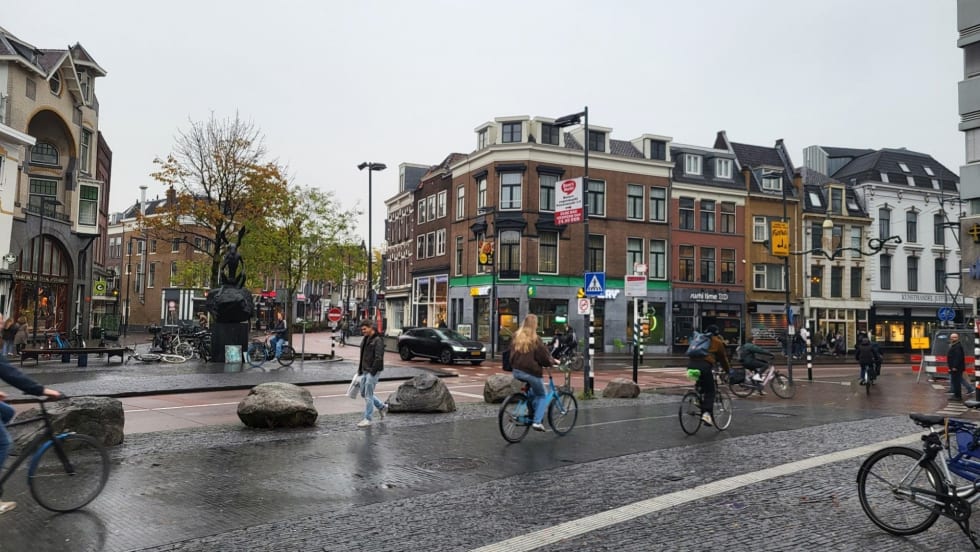
Latest Trends in Urban Mobility from Polis Conference 2025
Polis comprises cities and regions, as well as corporate partners, from across Europe, promoting the development and implementation of sustainable mobility. This year’s event had over a thousand attendees across various policy forums and an exhibition.
Read More →
Why Transit Leaders Require Better Tools for Operational Clarity In Today’s Tech-Fragmented Environment
Across North America and beyond, transit agency officials are contending with a perfect storm of operational headaches and strategic challenges that hamper daily service and long-term progress.
Read More →
The Powerless Brokers: Why California Can’t Build Transit
It is no secret that transit in the U.S. is slow and expensive to build.
Read More →
Why Transport Sustainability Should Focus on People Instead of Cars
Simply incentivizing electrification is not enough to make a meaningful impact; we must shift our focus toward prioritizing public transportation and infrastructure.
Read More →