
Metro Magazine

 MENU
MENU SEARCHMENUSEARCH
Fifty-four percent plan to use hybrid-electric propulsion for their vehicles, while 36% plan on using CNG. One-third plan on tapping clean diesel for their fleet and only one operator plans to use trolleys.
Read More →
The conference agenda is currently being developed by a team of industry experts and will cover five key areas: community outreach and education; enforcement; design, technology and infrastructure; intentional acts/deaths; and pedestrian safety.
Read More →
Since 1973, Espar has delivered the state-of-the-art German technology that is the Eberspaecher brand of products, to the North American marketplace.
Read More →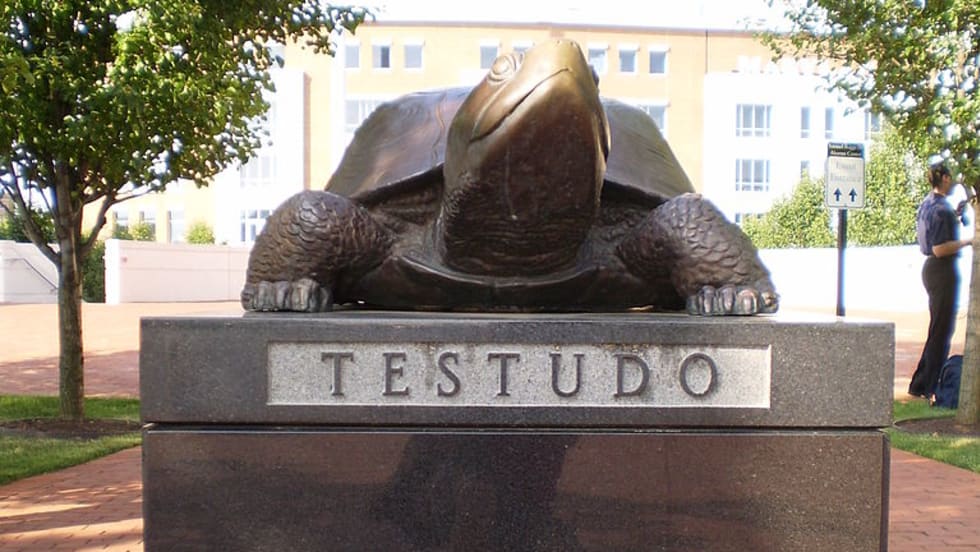
Students at the university's "Startup Shell," a collaborative space and technology incubator, may compete in business competitions for potential investor grants from Uber. The partnership will also include mentoring opportunities and the creation of an "innovation council," which will include students, faculty and staff, for crowdsourcing and development.
Read More →
Department of Subways veteran John Gaul has been tapped to become NYCT’s first VP, 21st Century Service Delivery. Reporting directly to NYC Transit President Carmen Bianco, Gaul will head a team responsible for redefining customer service and communication, accelerating the development of technology within the system and developing innovative ways of expanding capacity.
Read More →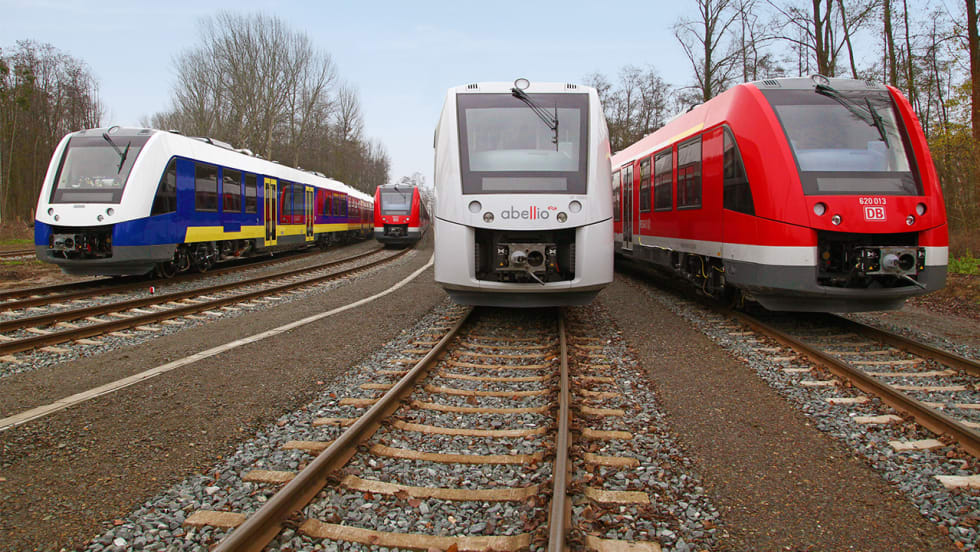
The new trains for Hermann-Hesse railway line will be completely emission-free. In times of increasing energy costs and higher level of pollution, the development of this technology is essential.
Read More →
The Uber website proudly states that, “Uber is evolving the way the world moves. By seamlessly connecting riders to drivers through our apps, we make cities more accessible, opening up more possibilities for riders and more business for drivers. From our founding in 2009 to our launches in over 200 cities today, Uber's rapidly expanding global presence continues to bring people and their cities closer.” Such hype is common on corporate websites, but when the braggadocio is backed up by an article in the Wall Street Journal that discloses a valuation of $41 billion their ambitious words take on relevance.
Read More →
The DSRC technology will allow the WCC vehicle to communicate with other vehicles and help provide vital data for the Ann Arbor Connected Vehicle Test Environment.
Read More →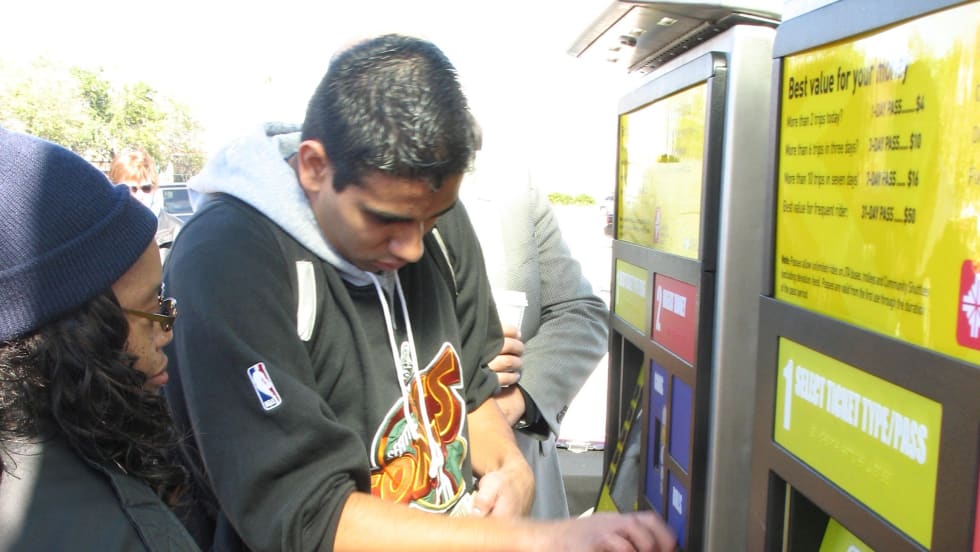
With a phased approach, agencies can make a smooth transition and also increase passenger convenience and flexibility, as well as boost ridership.
Read More →The new company will focus on rail transportation communication, signaling and integrated monitoring systems for the Chinese mass transit and light rail markets and be committed to introducing moving-block signaling technology for metro applications.
Read More →