
Metro Magazine

 MENU
MENU SEARCHMENUSEARCH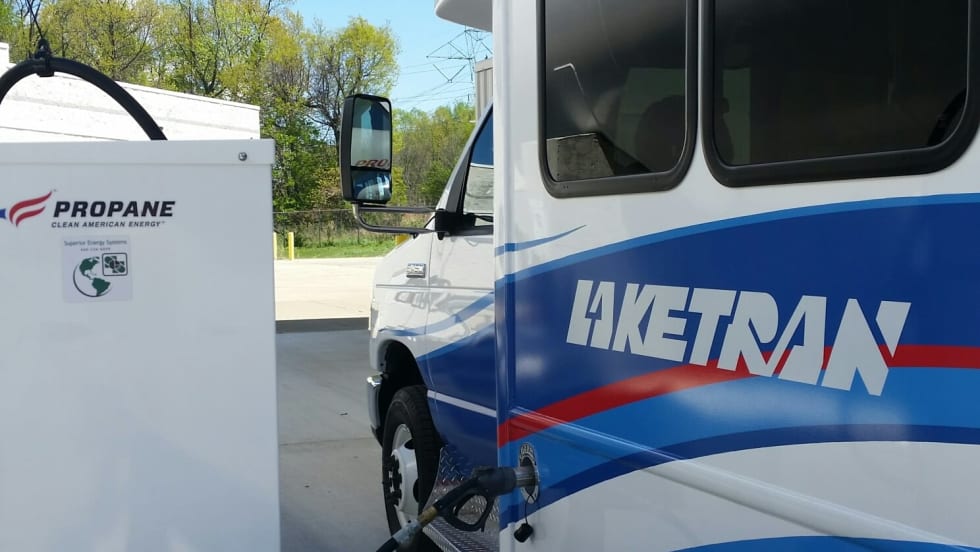
The three-phase capital project included engineering, construction of the fueling station, and installation of indoor propane detectors for safety inside Laketran’s 122,000 square foot vehicle storage and maintenance area.
Read More →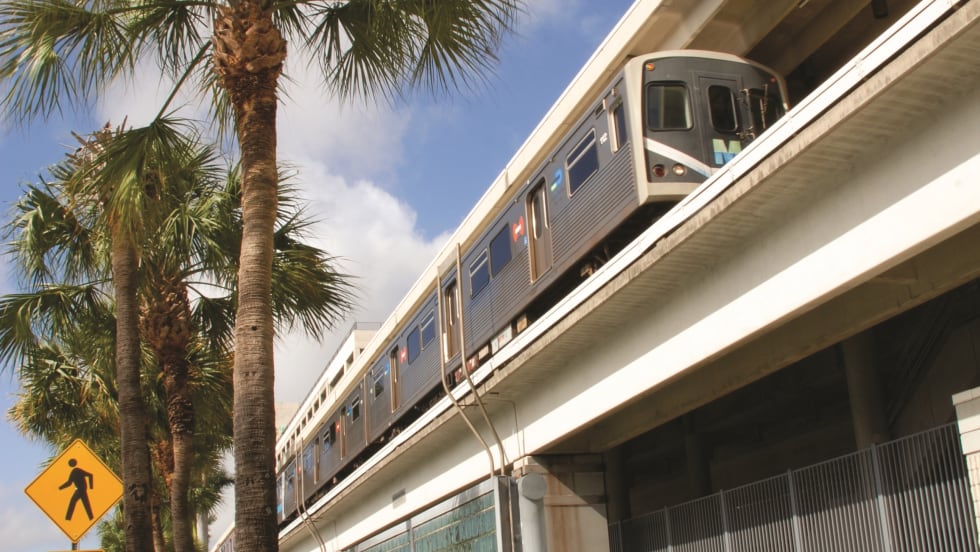
The cutbacks on Metrorail follow an announced plan to eliminate stops on some bus routes and contract out others to save money. Metrorail ridership is down about 6% this year, while bus boardings are down about 10%.
Read More →
The event, a new initiative from the UITP Foundation Youth for Public Transport, brought together computer programmers, designers, developers, and more to collaborate on innovative and sustainable solutions to transport problems.
Read More →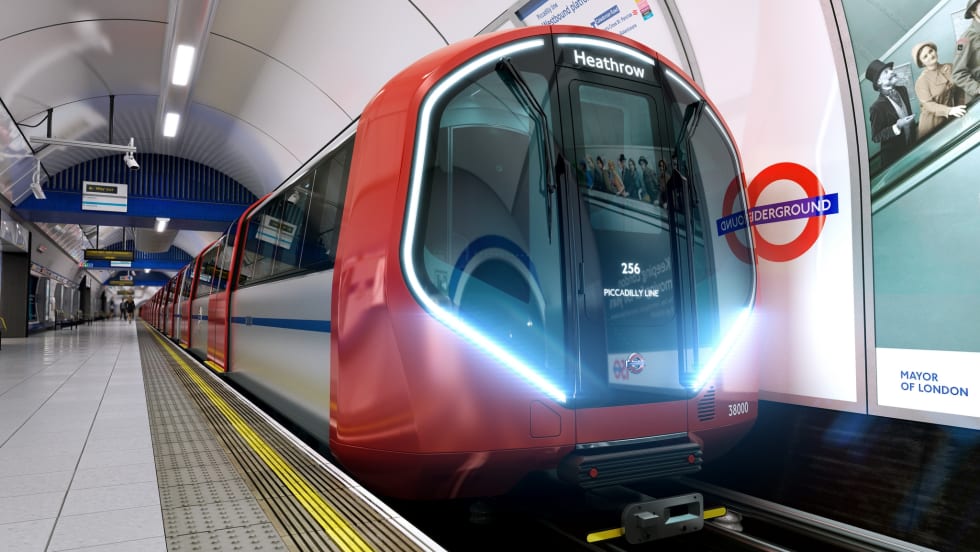
In many ways the results of this overnight Tube service is not remarkable to the casual visitor, or new resident in London. This is a large and busy city, and many people depend on public transport as the only logical means of travelling around.
Read More →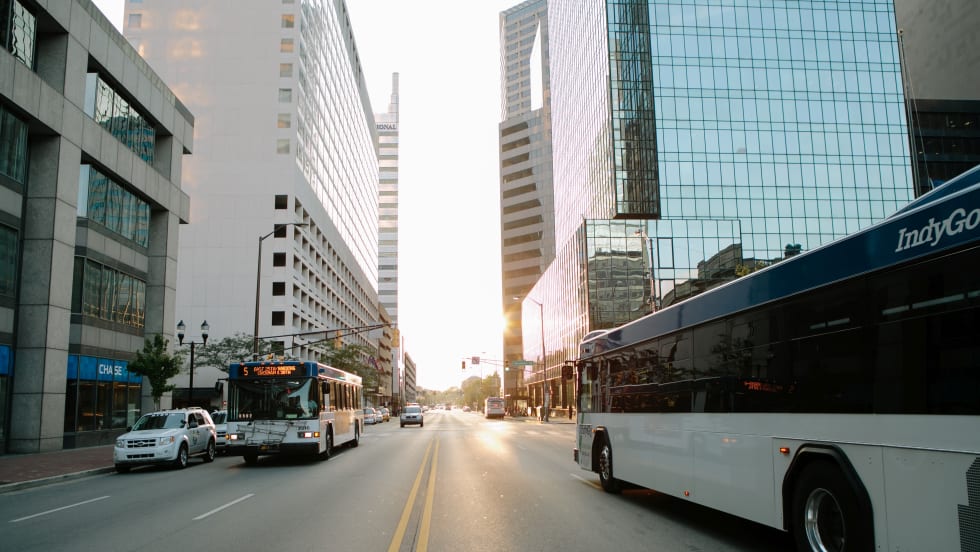
Many operators large and small have been staring at a disturbing trend in recent years — declining patronage. Fortunately, a few cities have bucked the trend, with ideas which will and must be shared as widely and as soon as possible.
Read More →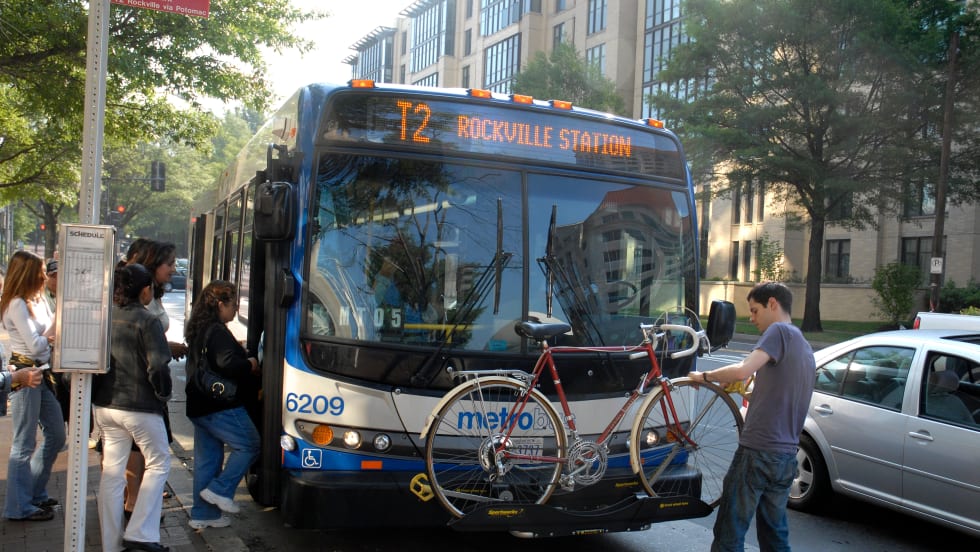
GM Paul J. Wiedefeld’s revised plan would increase rail, bus, and parking fares for the fiscal year that begins July 1, as originally proposed.
Read More →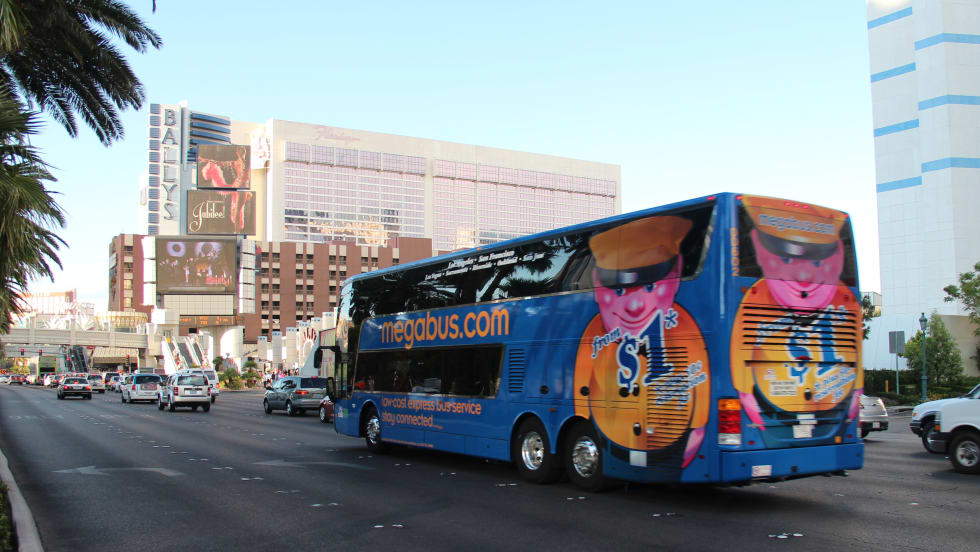
With business down in Fiscal Year 2016, which ended in June,ridership also dipped in some markets, but not the Northeast where both services and competition are increasing. While admittedly in its infancy, crowdsourcing motorcoach services is also slightly on the rise.
Read More →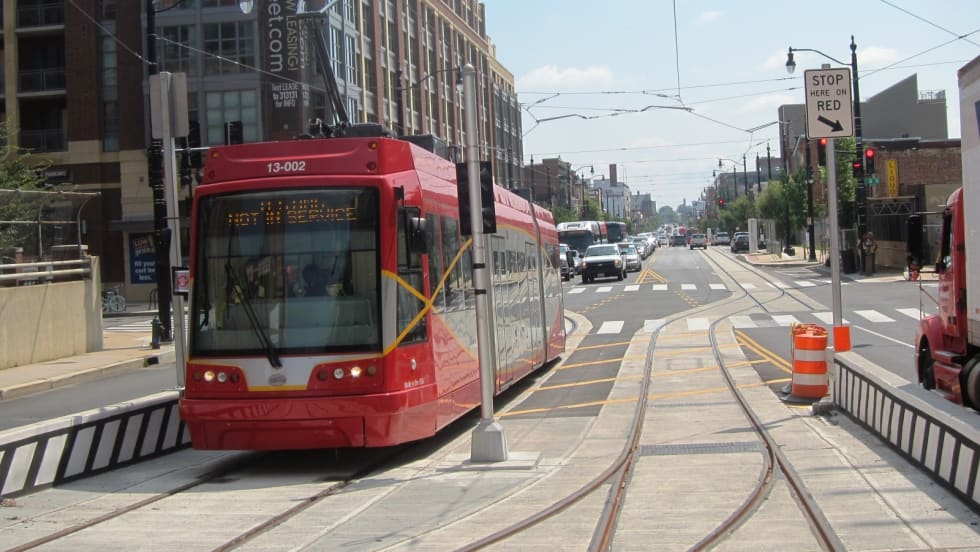
The decision to hold off on charging fares was based on two reasons — District Department of Transportation feared charging even $1 per ride would scare away passengers and charging a fare would actually cost the District money.
Read More →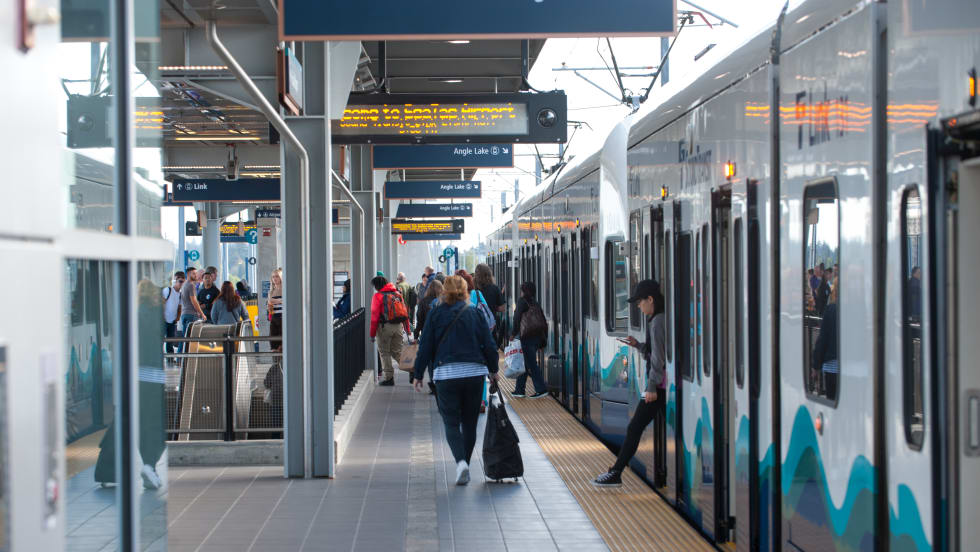
Ridership growth particularly picked up late in the year. Average weekday ridership during the fourth quarter increased 27.9% over the same period in 2015, with light rail weekday ridership growing 83.8%.
Read More →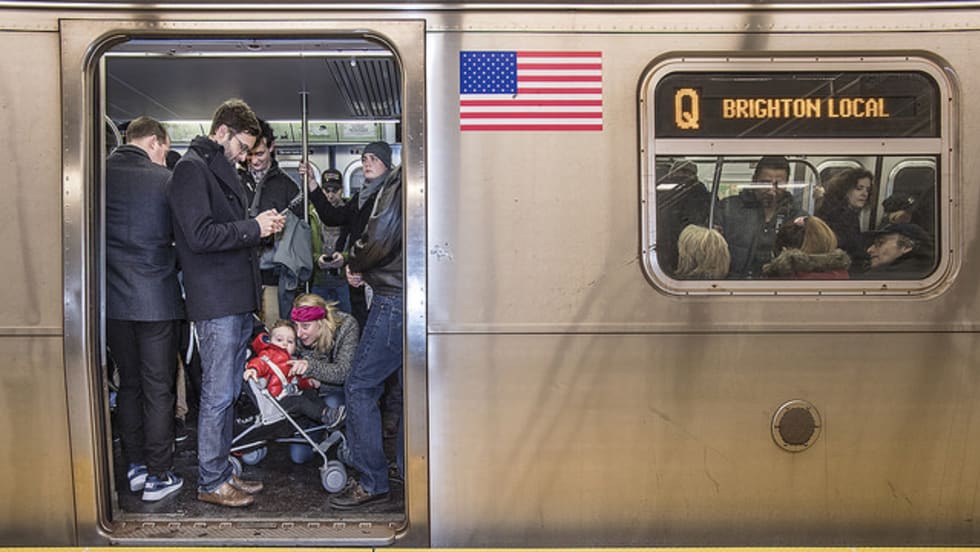
The ridership includes customers entering and leaving 72nd Street, 86th Street, and 96th Street, and the new entrance at 3rd Ave and 63rd Street as well as customers transferring from the F Subway line to Q Subway line at 63rd Street.
Read More →