


 MENU
MENU SEARCHMENUSEARCH
Funds will put an estimated 260 people to work making long-overdue improvements to the MBTA’s 50-mile Fitchburg commuter rail line, one of the state’s oldest passenger rail lines still in service. The investment will increase the train line's maximum speed by nearly 20 miles per hour, while greatly improving safety and on-time performance to 17 communities and 18 stations.
Read More →Funds will pay for a 30,000-square foot energy-efficient facility for Gainesville Regional Transit System. The new facility will replace an aging, overcrowded garage, and will be able to provide better maintenance for the agency’s current fleet of 105 buses.
Read More →A portion of funding for both states will go to replacing a transfer center and buses and upgrading a maintenance facility to LEED standards.
Read More →Will use the State of Good Repair grant program funds to replace old buses. Once the new buses arrive next year, one out of every six of the agency’s buses will be diesel electric hybrid.
Read More →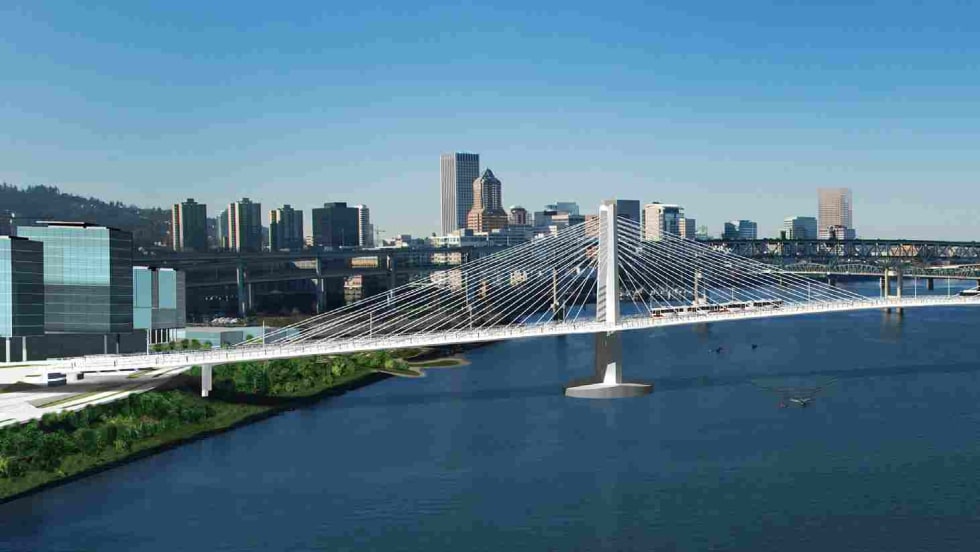
The FTA awarded Oregon Metro and TriMet for its Portland-Milwaukie light rail project Environmental Impact Statement for Excellence in Environmental Document Presentation.
Read More →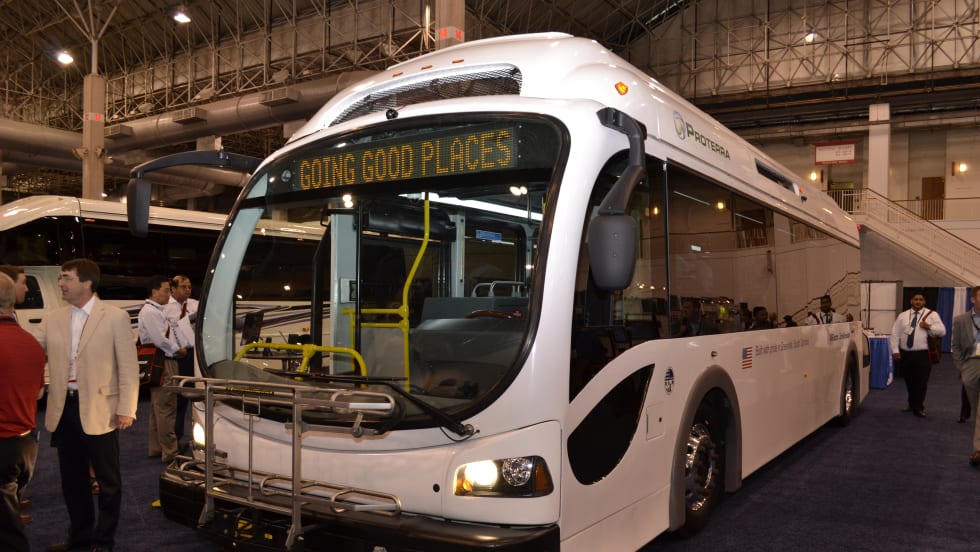
To deliver three new EcoRide zero-emission transit buses and a charging station to the Tallahassee, Fla.-based agency per an FTA grant.
Read More →The new service will also improve access to the area's largest retail and employment centers, universities and medical facilities, reduce congestion and spur economic development in the heart of San Bernardino.
Read More →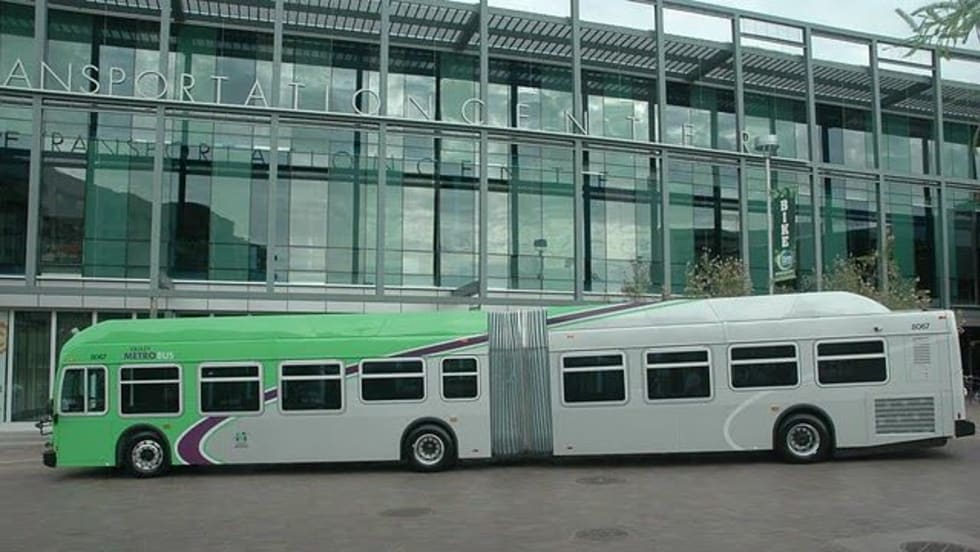
Will replace older 30-, 35- and 40-foot buses that run on routes in Tempe, Ariz., and have surpassed their useful life. The fleet was paid for with regional Proposition 400 funds, FTA 5307 formula grant funds specifically allocated for bus fleet replacement and FTA’s Clean Fuels Grant Program, which provided the hybrid propulsion system.
Read More →FTA Administrator Rogoff gets an up-close look at the Southeastern Pennsylvania Transportation Authority’s infrastructure issues.
Read More →The 1.6-mile streetcar project is a collaborative endeavor involving the North Central Texas Council of Governments, City of Dallas and Dallas Area Rapid Transit (DART), as well as the FTA.
Read More →