



The State of SEPTA’s 'State of Good Repair'
FTA Administrator Rogoff gets an up-close look at the Southeastern Pennsylvania Transportation Authority’s infrastructure issues.

Crumbling bridges, deteriorating platforms, ancient power systems. The Southeastern Pennsylvania Transportation Authority (SEPTA), the nation’s sixth largest transportation agency, provides safe, reliable service for 1.1 million people a day despite the serious challenges presented by an aging infrastructure with many vital components that are upwards of 100 years old.
On July 11, FTA Administrator Peter M. Rogoff traveled to Philadelphia to see firsthand the extent of SEPTA’s needs and to discuss the importance of investing in America’s aging mass transportation systems. In 2009, the FTA estimated it would cost $4.2 billion to bring SEPTA’s infrastructure up to a “State of Good Repair.”
[IMAGE]SEPTA-FTA3HeatherBlogAug192011EDIT.jpg[/IMAGE] “We do a meticulous job of maintaining our system, but we are running out of time,” SEPTA Chief Engineer and Assistant GM Jeffrey Knueppel said during a briefing attended by Rogoff, U.S. Senator Robert P. Casey Jr. and U.S. Representative Chaka Fattah at SEPTA headquarters. “The system will start to shrink if we don’t make improvements now.”
“We have a very old system, some of which has operated far beyond its useful life,” said SEPTA GM Joseph Casey. “We have an extensive list of needs and many projects ready to begin, but cannot proceed with the work without adequate funding.”
When it was established by the Pennsylvania General Assembly in 1964, SEPTA inherited the wire systems, bridges, substations, viaducts and stations originally built by the Philadelphia Rapid Transit Co., Philadelphia and West Chester Traction Co., Philadelphia and Western Railroad, Pennsylvania Railroad and Reading Railroad. Many of the incorporated facilities date to the mid-1800s and were not well maintained by previous owners.
Held in SEPTA’s Control Center, where supervisors and dispatchers from different transit modes monitor and keep the authority’s system moving, the briefing gave Casey and Knueppel the opportunity to describe the extensive renovation and maintenance projects SEPTA has been able to undertake with previous funding from the FTA, the American Recovery and Reinvestment Act (ARRA) and other sources, as well as detail the most pressing of SEPTA’s infrastructure needs.
“Our 32 ARRA projects are about 90 percent complete and our customers have appreciated the work we have been able to do,” said Casey. “Our ridership has steadily increased over the last year. However, without funding for our infrastructure needs, we are not going to be able to serve our current and future passengers.”
[IMAGE]SEPTA-FTA2-HeatherBlogAug192011EDIT.jpg[/IMAGE] Following the briefing, SEPTA officials led Rogoff on a tour of some of the authority’s region-wide facilities: City Hall Station, Philadelphia; Jenkintown Traction Power Substation, Montgomery County; Paoli Station, Chester County; Norristown High Speed Line, Montgomery County; and 69th Street Transportation Center, Delaware County.
Rogoff was amazed by what he saw on his tour. He even took a piece of a crumbling Norristown High Speed Line bridge with him to show officials in Washington, D.C., the necessity of investing in mass transportation.
“I’m really struck by how fragile the infrastructure is that is supporting millions of passengers,” Rogoff told The Philadelphia Inquirer. “We will continue to focus on state of good repair issues — they’ve been ignored too long.”
Funding cuts have forced SEPTA to defer dozens of improvement projects. This can lead to expensive emergency repairs and heavy maintenance work. Further delays could result in major service disruptions.
“At best, we face speed and weight restrictions and short-term service interruptions,” said Casey. “At worst, we have long term service disruptions with a major economic impact on the Delaware Valley. We need to get started on this work now.”
In case you missed it...
Read our METRO blog, "'Economic situation feels like a bad movie" here.
More Blog Posts
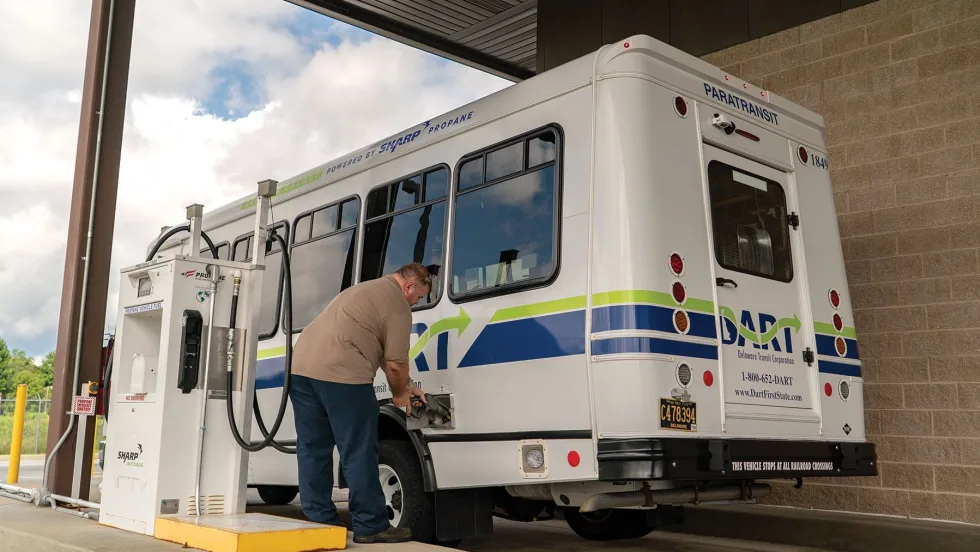
Building a Winning FTA Grant Proposal: Why Propane Autogas is the Pragmatic Choice for Fleet Resilience
With $610 million available through the FY 2026 Buses and Bus Facilities Competitive Program and the Low or No Emission Grant Program, agencies must build a compelling case before the September 21 deadline that balances environmental compliance with operational feasibility.
Read More →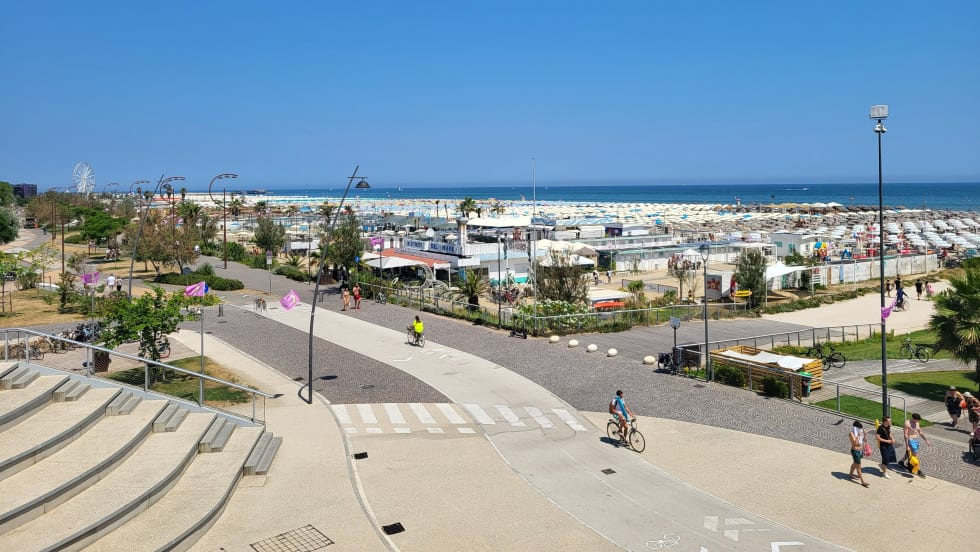
Velo-city Conference 2026: Latest Trends in Cycling as Part of Urban Mobility
The global cycling conference highlighted how cities are integrating bicycles into multimodal transportation networks, expanding cycle tourism and reshaping urban mobility.
Read More →
Kindness Isn’t Soft...It’s Strategic.
Mike Bismeyer — often known as “The Kindness Guy” — has spent more than 17 years in public transit and mobility, serving in industry leadership roles, speaking across North America, and advocating for stronger workplace cultures. But his message doesn’t come from theory. It comes from lived experience.
Read More →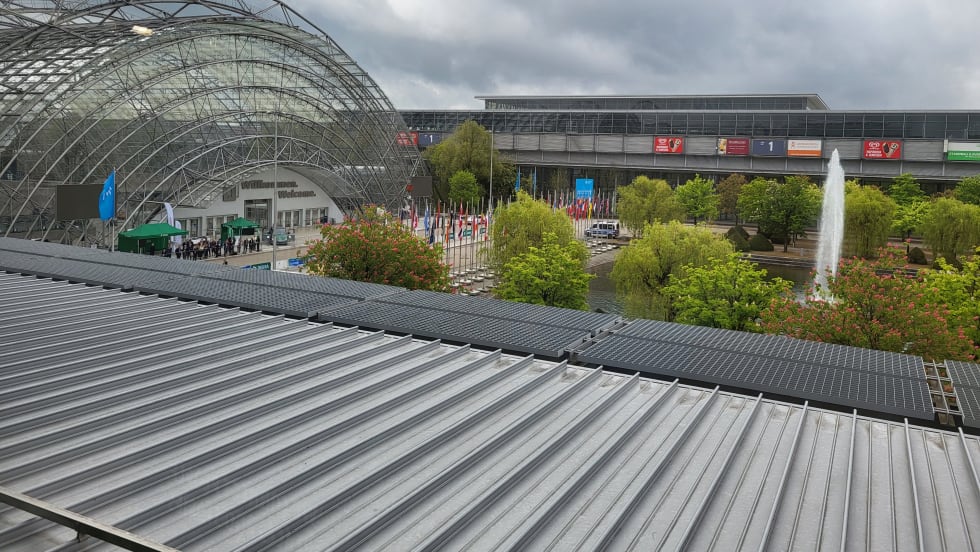
Inside ITF 2026: Transport Reacts to A Challenging World
Transport leaders from around the world gathered in Leipzig, Germany, for the 2026 International Transport Forum to discuss resilience, climate impacts, supply chains and the future of sustainable mobility.
Read More →
Every Ride Tells a Story — But You’re Not Just Selling the Ride
You’re selling the moment, the meaning, and the emotion behind it.
Read More →
How Digital Signage is Reshaping the Traveler Experience at Transportation Hubs
What was once a landscape of static signs has evolved into a responsive, immersive environment powered by real-time visual communication.
Read More →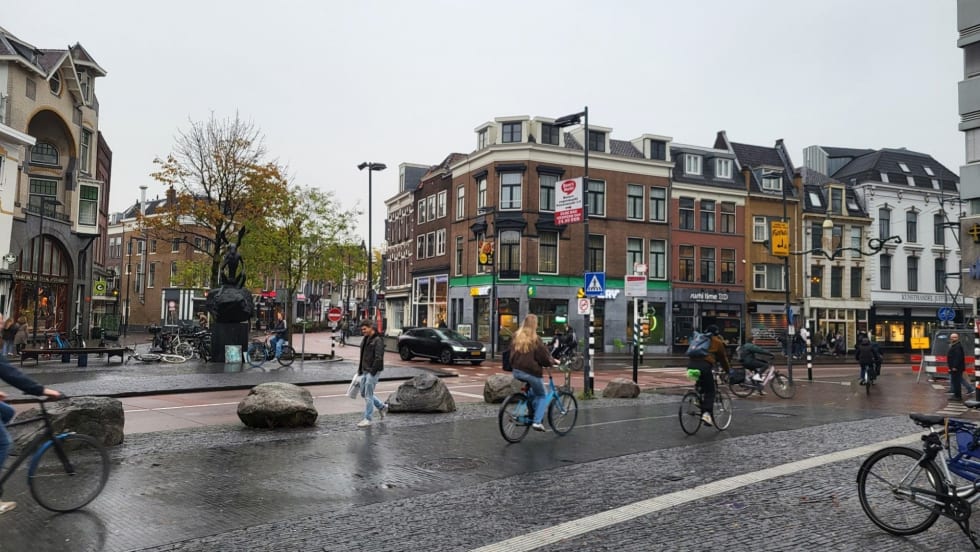
Latest Trends in Urban Mobility from Polis Conference 2025
Polis comprises cities and regions, as well as corporate partners, from across Europe, promoting the development and implementation of sustainable mobility. This year’s event had over a thousand attendees across various policy forums and an exhibition.
Read More →
Why Transit Leaders Require Better Tools for Operational Clarity In Today’s Tech-Fragmented Environment
Across North America and beyond, transit agency officials are contending with a perfect storm of operational headaches and strategic challenges that hamper daily service and long-term progress.
Read More →
The Powerless Brokers: Why California Can’t Build Transit
It is no secret that transit in the U.S. is slow and expensive to build.
Read More →
Why Transport Sustainability Should Focus on People Instead of Cars
Simply incentivizing electrification is not enough to make a meaningful impact; we must shift our focus toward prioritizing public transportation and infrastructure.
Read More →