
Metro Magazine

 MENU
MENU SEARCHMENUSEARCH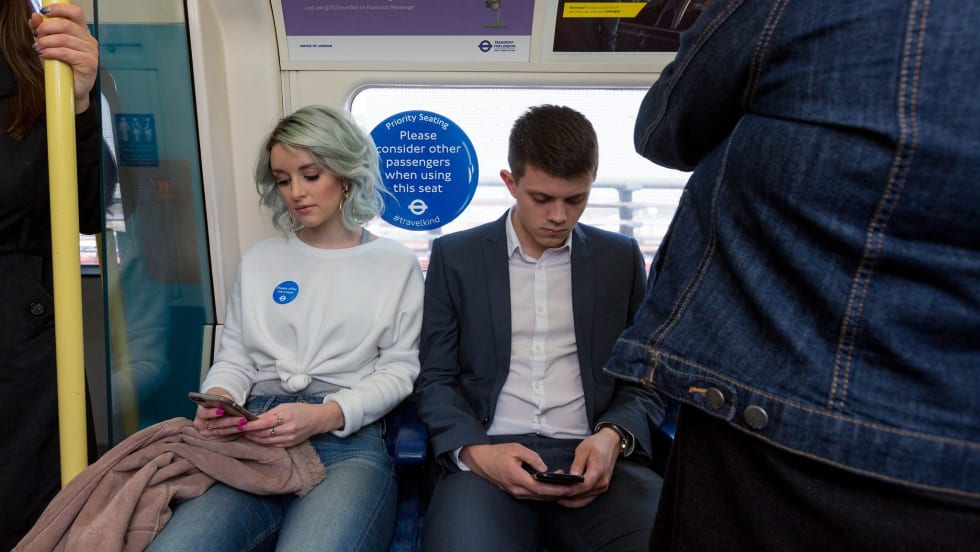
The young representatives will work with all 30 TfL Youth Panel members to review papers in advance of the meetings and formulate questions and suggestions they wish to put to TfL leaders and panel members.
Read More →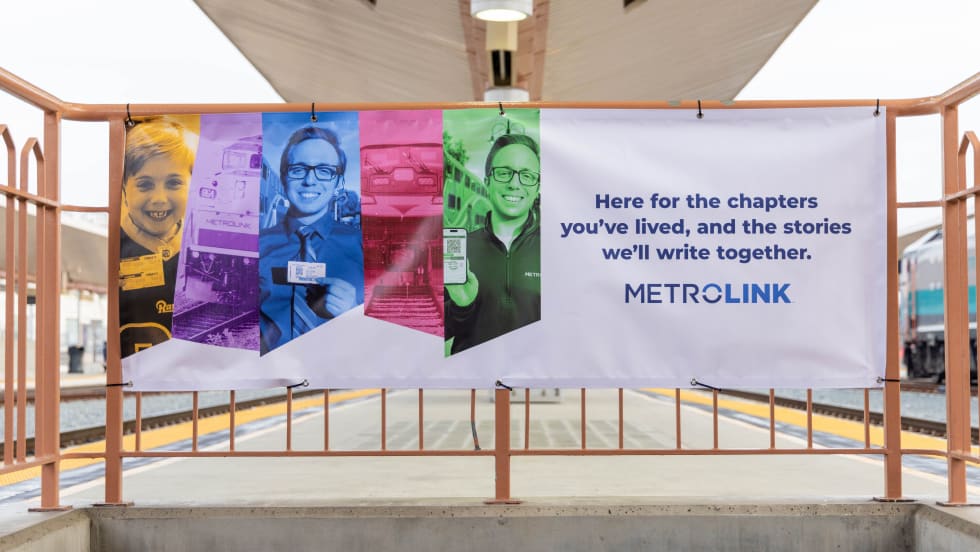
This year, Metrolink embraced the theme "Eras: Metrolink & Metrolink Riders" to underscore the enduring relationship between the service and its passengers.
Read More →
The $4.5 billion capital and operating budget proposal provides a worst-case scenario; however, WMATA’s funding partners are currently working through legislation that may reduce some of the most detrimental fare and service changes proposed.
Read More →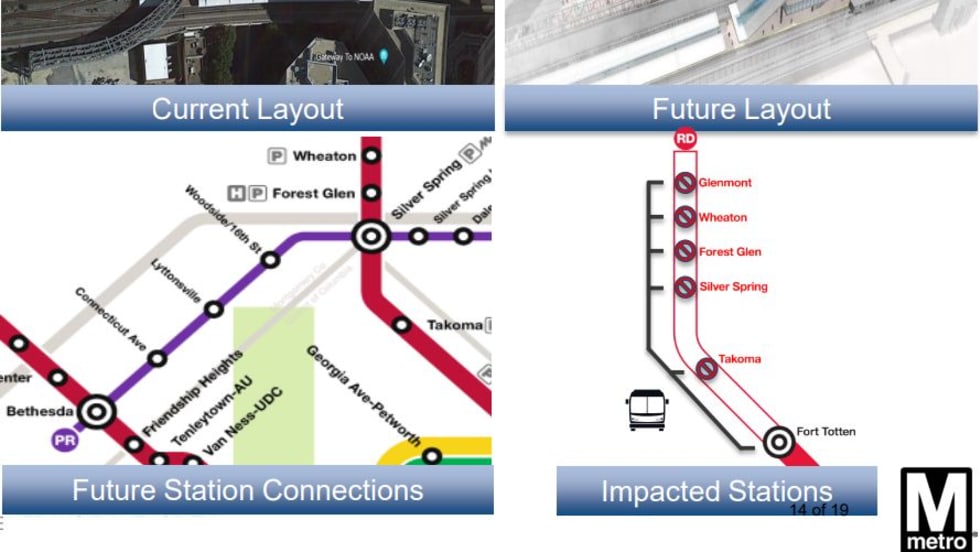
Planned closures are scheduled between summer 2024 and summer 2026, with additional construction planned over the winter holidays.
Read More →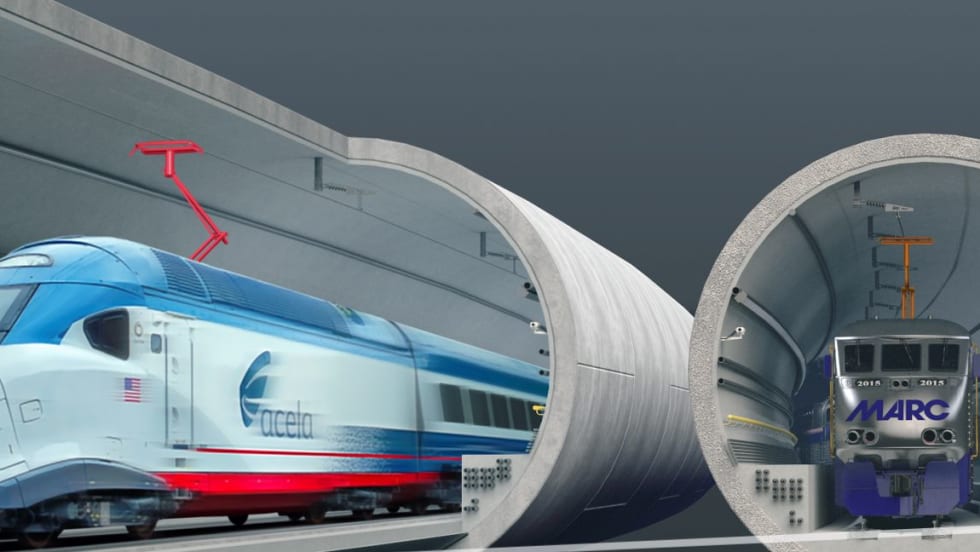
The generational investment is the centerpiece of Amtrak’s Frederick Douglass Tunnel Program, which will modernize and transform an approximately 10-mile section of the Northeast Corridor.
Read More →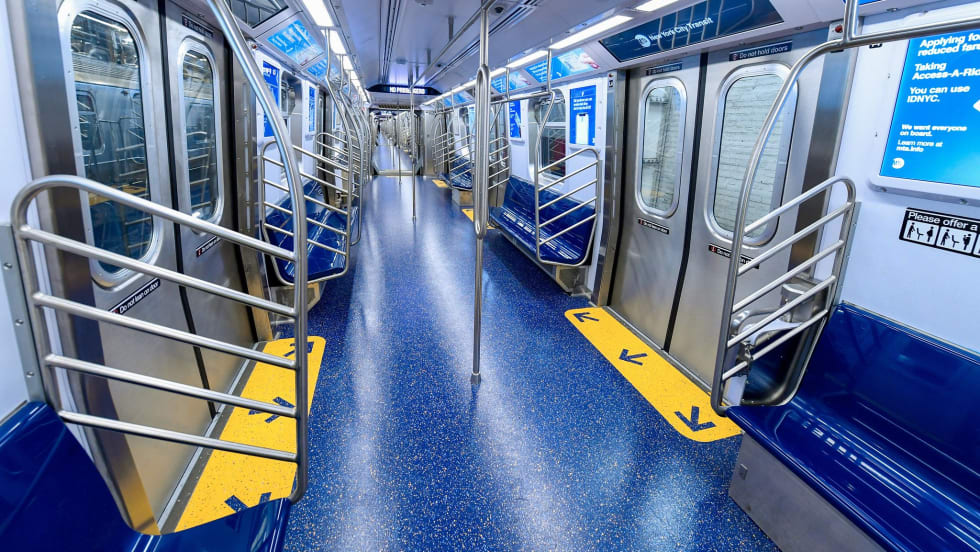
New York Gov. Kathy Hochul also announced 1,000 of the agency's subway cars are now equipped with cameras.
Read More →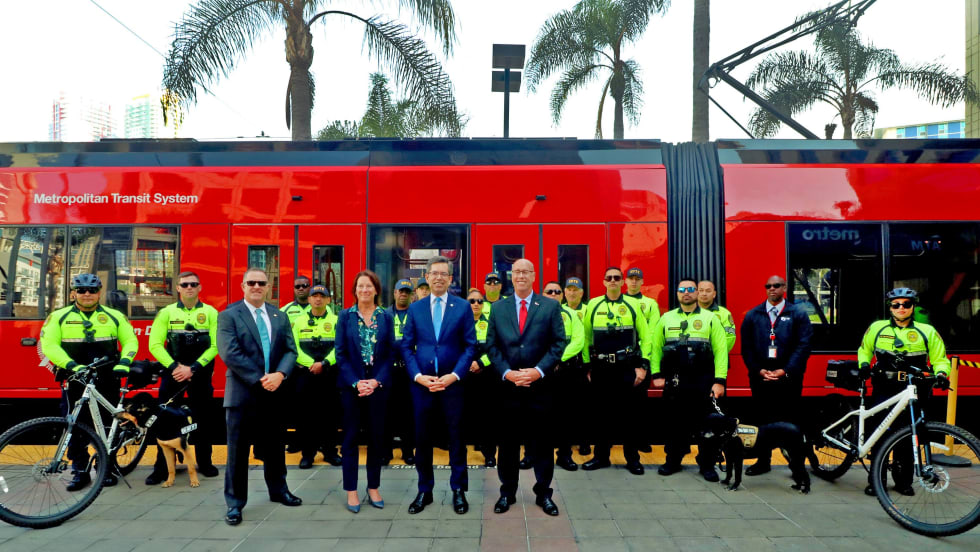
Security initiatives the agency is taking include increasing the number of officers, as well as improving visibility and response times.
Read More →
The new program incentivizes individuals and organizations to think creatively in developing innovative solutions to combat human trafficking in the transportation industry, and to share those innovations with the broader community.
Read More →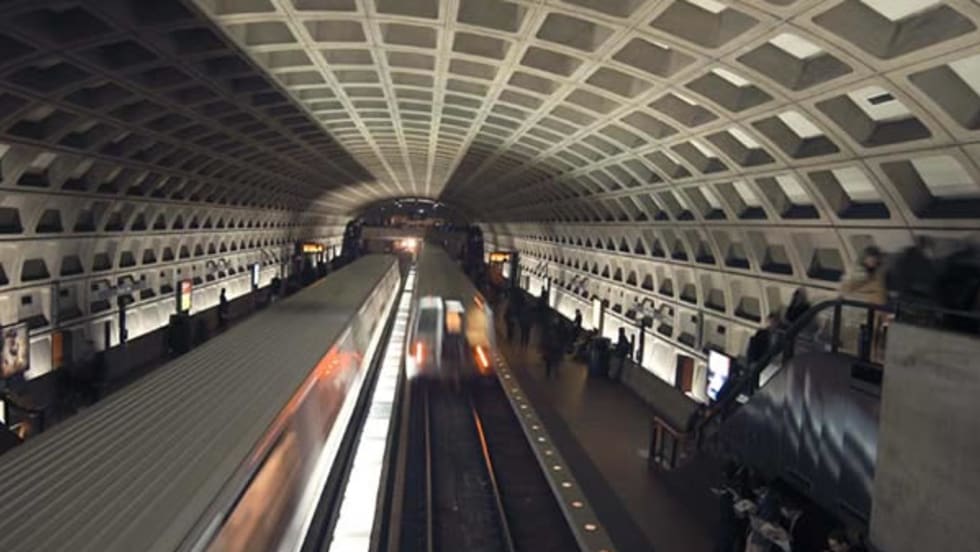
The portal now includes a combined look at rail and bus ridership, adds no-tap rail ridership to the rail dashboard to track the effectiveness of anti-fare evasion efforts, and provides a more complete picture of total ridership.
Read More →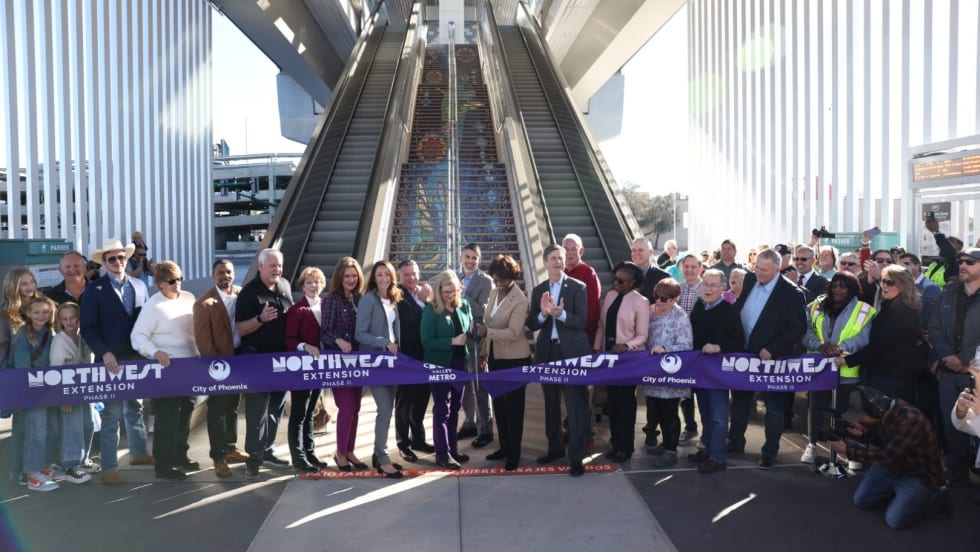
The project includes a series of “firsts” for Valley Metro and the community, including the first elevated station, rail-only bridge over I-17, and a multimodal transit center named after regional transit champion, former Phoenix Mayor, and Councilmember Thelda Williams.
Read More →