Denver's RTD's Downtown Light Rail Reconstruction Project to Launch in May
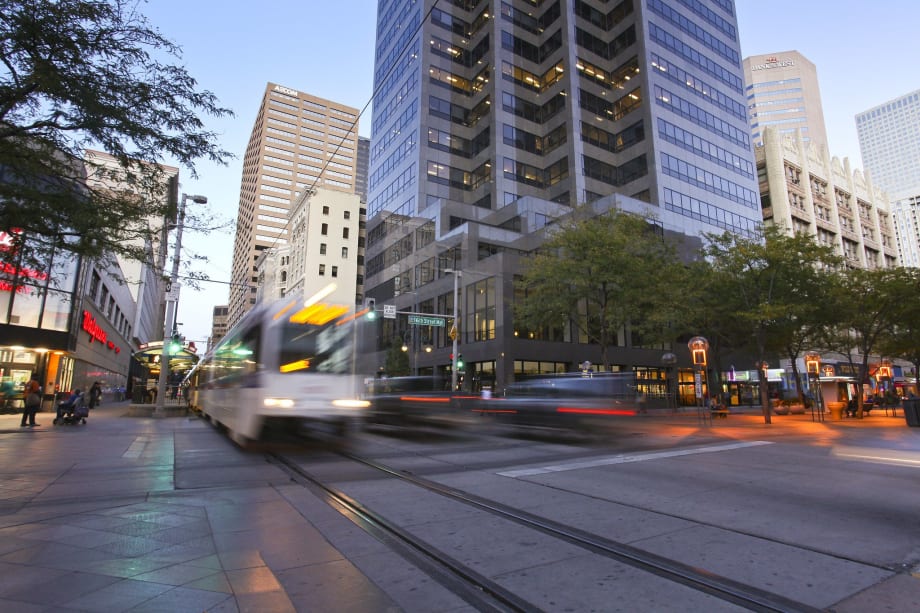
The first phase of the approximately $152 million, full-depth reconstruction project will commence in May and focus on five segments of at-grade rail and street intersections in the Downtown Loop.
The full-depth Denver RTD reconstruction process involves removing all current rail infrastructure, concrete, ties, and ballasts. Crews will also address drains below the 30-year-old rail system before fully rebuilding each segment.
Photo: Denver RTD
3 min to read
The Regional Transportation District (RTD) is planning to undertake a multi-phased project to reconstruct miles of light rail track in downtown Denver.
The first phase of the approximately $152 million, full-depth reconstruction project will commence in May and focus on five segments of at-grade rail and street intersections in the Downtown Loop.
Ad Loading...
RTD’s Light Rail Construction
The major reconstruction project is the first of its kind in RTD’s history. Between 2012 and 2023, RTD undertook 17 isolated projects in the central corridor to replace sections of curved rail, switches, crossings, signals, and other rail infrastructure. The project will leverage previous work done by RTD with time-specific closures to minimize the inconvenience to customers.
The work begins May 26, with no light rail service operating in RTD’s central corridor through September 2024. Following completion of the project’s first phase in September, crews will pause reconstruction work until 2025, and all light rail services will resume normal operations.
The Downtown Loop in Denver’s Central Business District is part of RTD’s inaugural light rail line and opened in October 1994. After nearly 30 years of continual service, several segments of track along the 5.3-mile corridor require a full-depth reconstruction.
The full-depth reconstruction process involves removing all current rail infrastructure, concrete, ties, and ballasts. Crews will also address drains below the 30-year-old rail system before fully rebuilding each segment.
“Maintaining RTD’s assets and infrastructure is essential to preserving the region’s previous investments in its mass transportation system,” said Debra A. Johnson, RTD GM/CEO. “Managing and maintaining assets in a state of good repair ensures the long-term integrity of the rail network for all individuals who entrust RTD to deliver them to their destinations.”
Ad Loading...
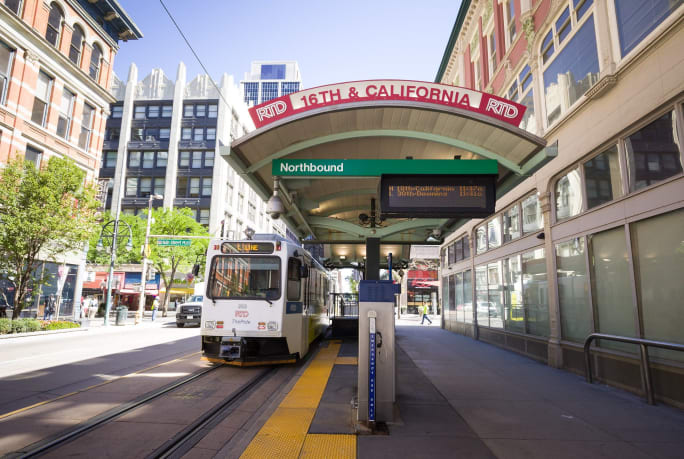
Between 2012 and 2023, Denver RTD undertook 17 isolated projects in the central corridor to replace sections of curved rail, switches, crossings, signals, and other rail infrastructure.
Photo: Denver RTD
Work Details
The at-grade rail and street intersections that will be reconstructed in the project’s first phase are 15th and Stout Street, 17th and Stout Street, 15th and California Street, 17th and California Street, and Broadway and Welton Street.
The five impacted intersections will not be reconstructed at the same time. RTD has been closely working with the City and County of Denver to discuss potential street closures and develop traffic detour plans. During the project, vehicular traffic in the area may be merged to one lane or rerouted around the intersections for limited periods of time.
The subsequent three phases of the project will begin in 2025, and work on each phase may simultaneously occur. The agency’s project team, comprising staff and consultants, is in the process of developing comprehensive reconstruction plans for the latter phases, which include:
Phase Two: Midblock Reconstruction in Downtown Loop
During the RTD board’s recent meeting, staff outlined the four near-term phases of the project and the agency’s plans to reduce the impact on customers.
Ad Loading...
Beginning in March, staff will implement a comprehensive communications and outreach plan to ensure customers and stakeholders are well aware of potential impacts to services and planned detours. The agency has also created a website with photos, illustrations, maps, detour information and project timelines for the public.
“The agency is ensuring that its 30-year-old system continues to provide reliable service for at least 30 more years and beyond,” Johnson said.
The agreement resolves a more than decade-long proceeding before the Surface Transportation Board concerning the terms and conditions for Amtrak services, such as the City of New Orleans, Illini/Saluki, and Wolverine.
Contract Four is the largest in the Second Avenue Subway Phase 2 project and includes construction of station infrastructure, tracks, and signals for the subway expansion, MTA officials said. Work on Contract Four will begin in 2027.
The Garden State Initiative analysis examines the roles of Amtrak infrastructure, fleet management, and agency operations while recommending a more performance-based approach to improving reliability.
Beginning in 2027, Stadler will provide on-site technical expertise, spare parts support, training, and obsolescence management to help extend the reliability and longevity of CapMetro’s GTW fleet.
In METRO's latest installment, we take a look at recent news from Complete Coach Works, Beep, FlixBus, and more partnerships making headlines across the transportation sector.
Pedestrian microsimulation is helping rail planners identify bottlenecks, test station designs, and prepare complex transit hubs for growing passenger volumes.
The privately developed project would offer a 15-minute trip between downtown and O’Hare’s Terminal 2, with trains operating every 15 minutes on a dedicated track. The service would use battery-electric trains and three existing freight rail rights-of-way.