



Feds Make $9.9B in Formula Funds Available to Transit
The funding will help communities maintain and operate trains, buses, and ferries; upgrade stations and tracks; plan and design new transit corridors; and provide access for seniors and riders with disabilities.


Formula-based grant programs include funding for transit systems in both urbanized and rural areas, grants for buses and bus facilities — including low- and no-emission buses — transit designed for seniors and people with disabilities, planning funds, and support to improve the condition of transit assets.
Photo: Larry Levine
The Federal Transit Administration (FTA) announced $9.9 billion in federal formula funding, part of the largest investment in public transit in U.S. history, is available to support public transportation in communities throughout the U.S.
The funding will help communities maintain and operate trains, buses, and ferries; upgrade stations and tracks; plan and design new transit corridors; and provide access for seniors and riders with disabilities.
Apportionment Funding
The partial-year Fiscal Year (FY) 2024 funding is detailed in apportionment tables that specify funding to states, urbanized areas, and Tribal governments based on statutory formulas.
“When we invest in public transit, we improve daily life for millions of Americans across the country, and make it easier, safer, and more affordable to get around communities of every size,” said U.S. Transportation Secretary Pete Buttigieg. “The Biden-Harris administration is making the largest investment in public transit in U.S. history, including $9.9 billion announced today, to help communities improve public transit and expand it to reach more people than ever before.”
The tables specify funding available through FTA formula programs and represent a partial year of federal support for transit.
The publication of apportionment tables allows transit providers nationwide to move forward with applications for FY 2024 funds to support expanding and modernizing transit systems and operations. The funding reflects formula funding available for five months (October 1, 2023 to March 1, 2024) at FY 2023 levels while the federal government operates under a Continuing Resolution.
“The Bipartisan Infrastructure Law provides significant increases to transit funds across the country, from counties with just one van providing rides to systems operating hundreds of trains, buses, and ferries in the largest cities in America,” said FTA Acting Administrator Veronica Vanterpool. “Communities depend on this funding to start new projects, fix old infrastructure, and bring more fast, safe, convenient service.”
FTA’s Formula Funding
FTA distributes formula funds to state Departments of Transportation, Tribal nations, and urbanized areas. Formula-based grant programs include funding for transit systems in both urbanized and rural areas, grants for buses and bus facilities — including low- and no-emission buses — transit designed for seniors and people with disabilities, planning funds, and support to improve the condition of transit assets.
The tables allow transit agencies and grant recipients to view the amounts for programs set by statutorily defined formulas so they can better plan and manage over the long term for new projects and address their repair backlogs.
This year, due to changes resulting from the 2020 Census, some areas will see changes in funding amounts due to new urbanized area boundaries, as well as changes in populations. The apportionments reflect changes occurring in areas that exceed or fall below the 50,000-population threshold for urban areas, as well as other thresholds within the urban programs that determine whether funds are apportioned to the states or directly to urbanized areas.
Full-year formula funding will be available once Congress passes an FY 2024 appropriations bill. Once enacted, transit funding will support President Biden’s Bipartisan Infrastructure Law to support transit in 500 urban communities across the country and rural transit systems nationwide, allowing hundreds of transit agencies to buy new buses and railcars, improving reliability and transit service.
To view funding state-by-state, click here.
More Management
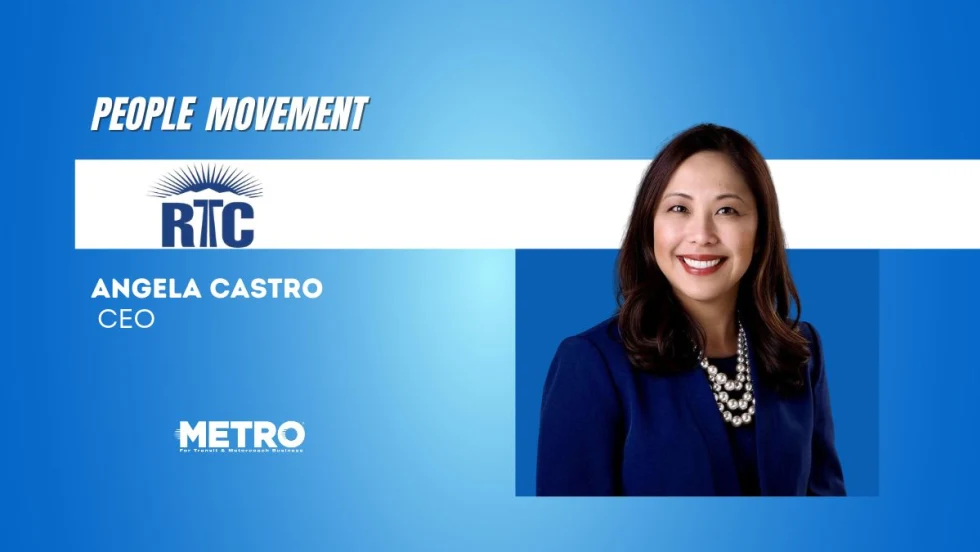
Castro to Lead RTC of Southern Nevada and More in People Movement
In this edition, we also cover recent appointments and announcements at the STV, MCI, and more, showcasing the individuals helping to shape the future of transportation.
Read More →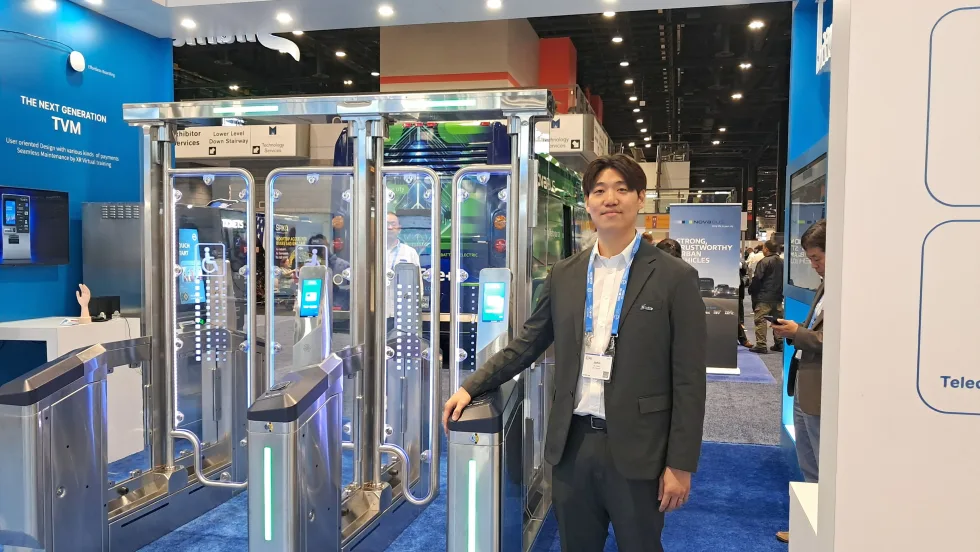
STraffic Expands North American Presence with Fare Collection Technology
John Moon, Associate Director, Product Strategy at STraffic, discusses the company's growth in North America, its efforts to reduce fare evasion, and more.
Read More →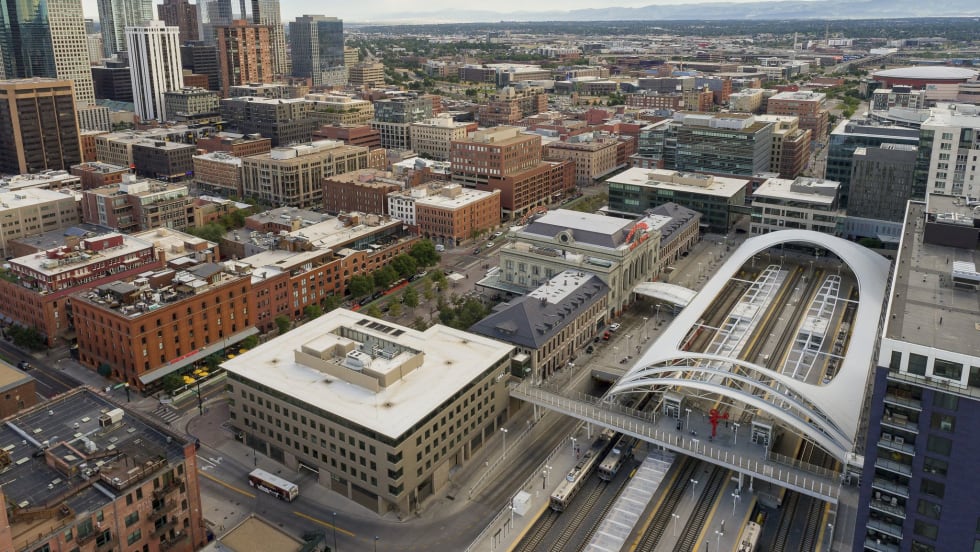
Study: Denver RTD Generates $2.1 Billion in Annual Economic Activity
An economic impact study finds the agency supports approximately 17,500 jobs, delivers $1.6 billion in annual community and mobility benefits, and generates $2.42 in economic value for every dollar invested.
Read More →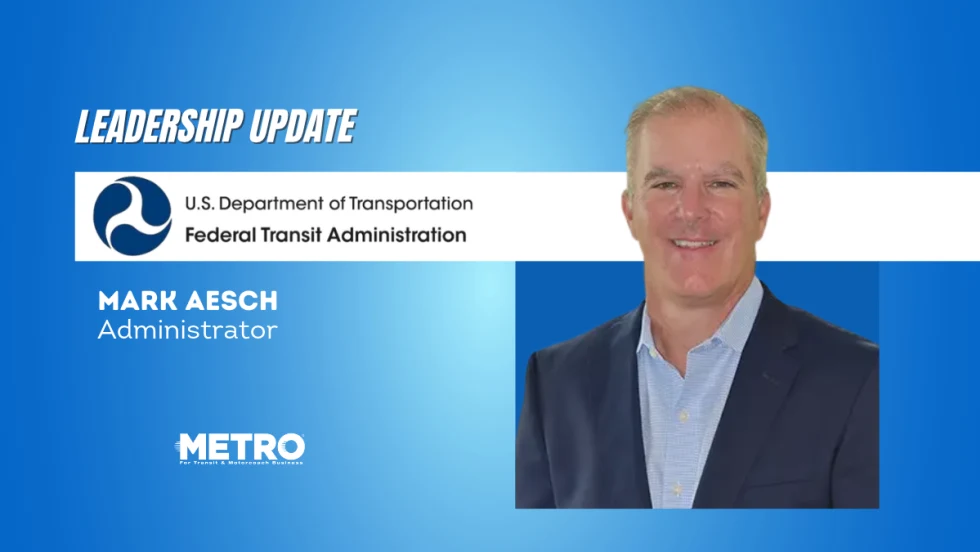
Mark Aesch Nominated to Lead Federal Transit Administration
The former Rochester transit chief and TransPro founder, who has also contributed to METRO Magazine, brings decades of industry experience and a focus on performance, accountability, and financial sustainability to the nomination.
Read More →
Best and Worst U.S. Cities for Public Transportation in 2026
A new analysis of 50 major U.S. urban areas ranks public transit systems based on accessibility, affordability, usefulness, and safety, highlighting where transit performs best and where challenges remain.
Read More →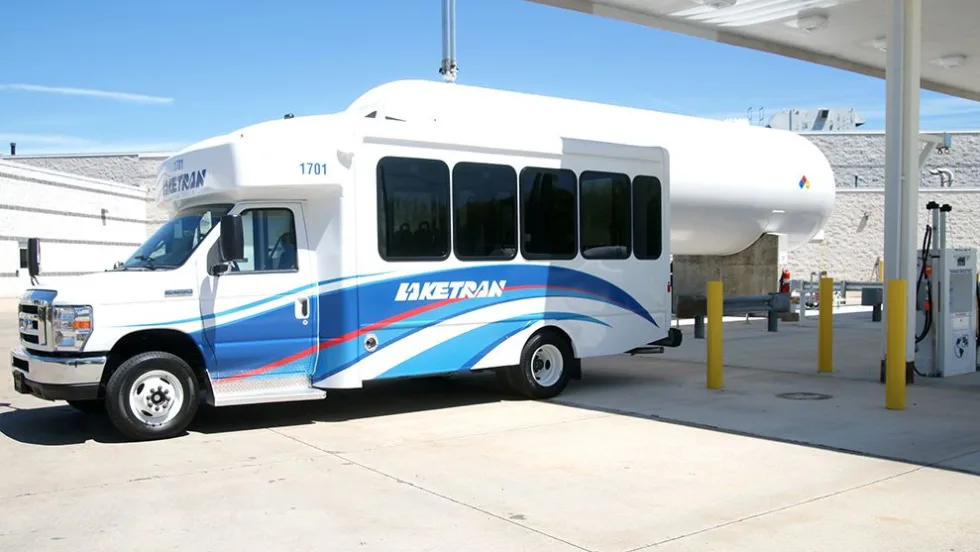
Laketran Cuts Fuel Costs, Boosts Efficiency with Propane-Powered Fleet
The Ohio transit agency is using propane-powered vehicles and on-site fueling infrastructure to cut fuel and maintenance costs while meeting growing demand for paratransit services.
Read More →
Canada’s Public Transit Supports $65.6 Billion in Annual GDP
New research from the Canadian Chamber of Commerce examines transit's economic contributions, including job creation and the financial implications of transportation investment.
Read More →
Pierce Transit Moves to Expand Fleet Following Proposition 1 Approval
The agency authorized the purchase or refurbishment of up to 60 buses to support a 47% service expansion, as voters nationwide approved billions in new transit funding.
Read More →
Right-Sizing Rural Transit: Lessons from North Grenville’s On-Demand Model
A small municipality shows how flexible service, rider needs, and public accountability can expand mobility with limited resources.
Read More →
Transit Ballot Victories Signal Strong Voter Support: What Comes Next?
Voters approved billions in public transportation investments in 2026, giving agencies opportunities to preserve service, expand operations, and strengthen regional connections amid a changing political landscape.
Read More →