
Metro Magazine

 MENU
 SEARCHMENUSEARCH
Loading data...

The hurricane, which left more than 14 dead and 4.5 million homes and businesses without power, cut a path of destruction on the East Coast.
Read More →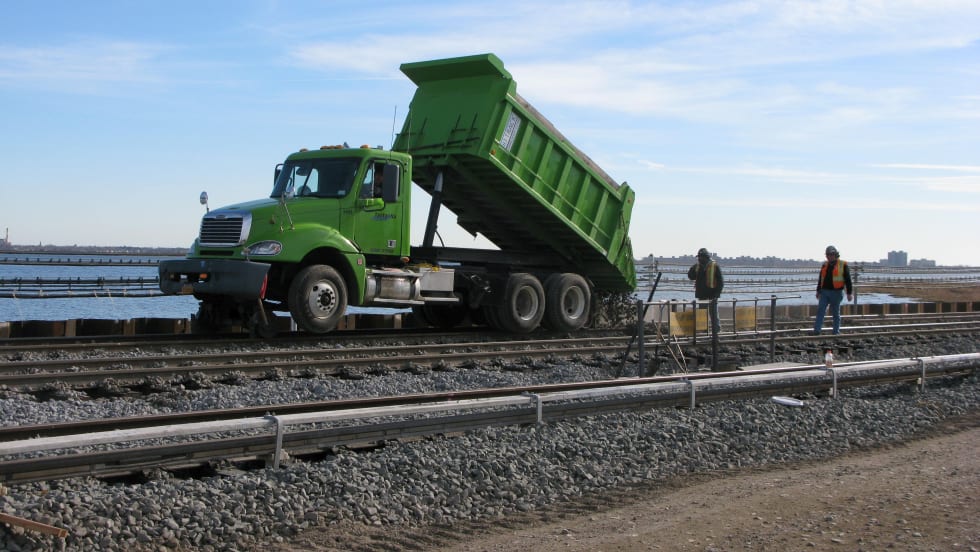
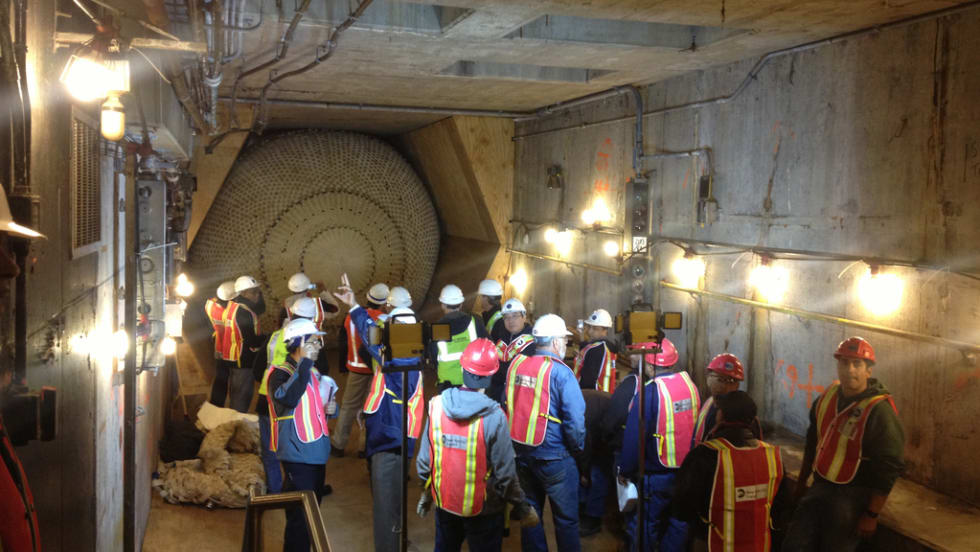
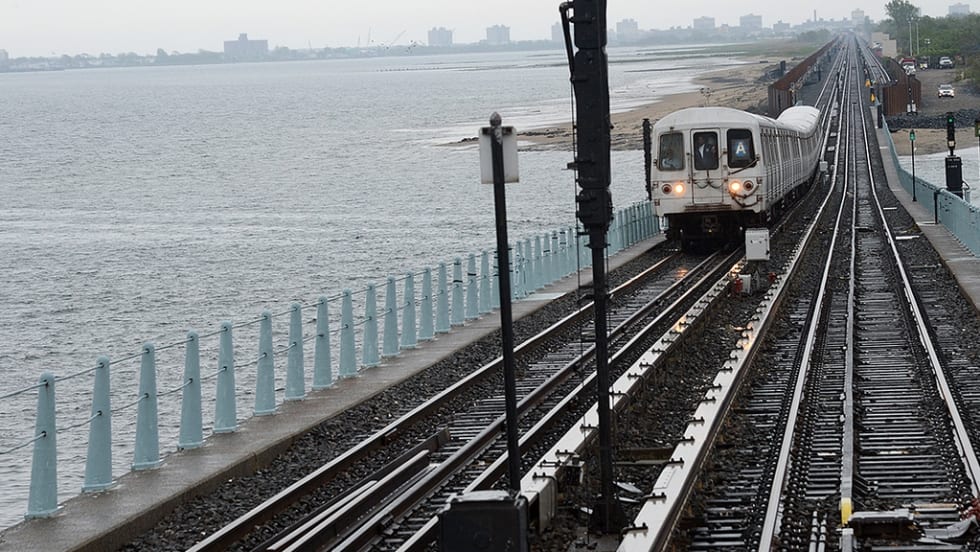
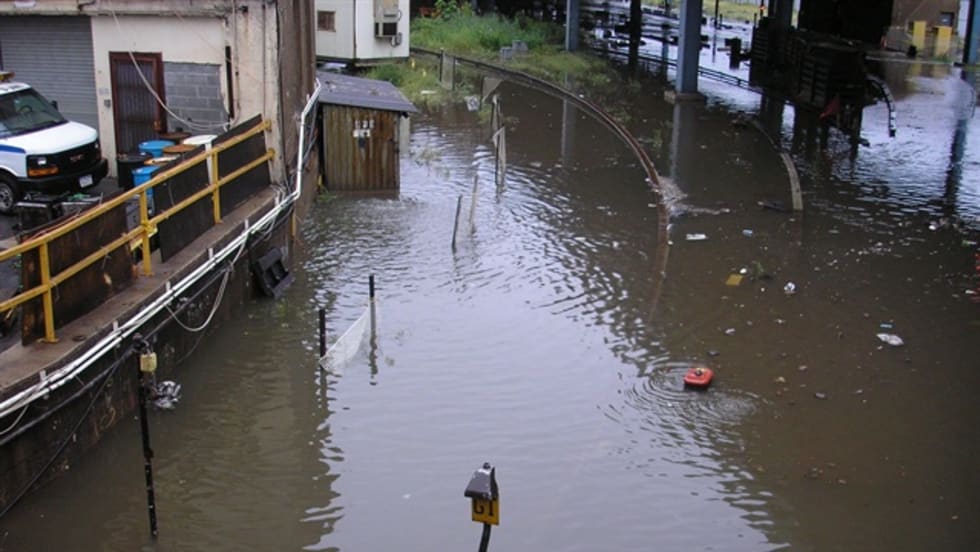
The funds reimburse the MTA for work that is already underway and also enable future projects to be completed.
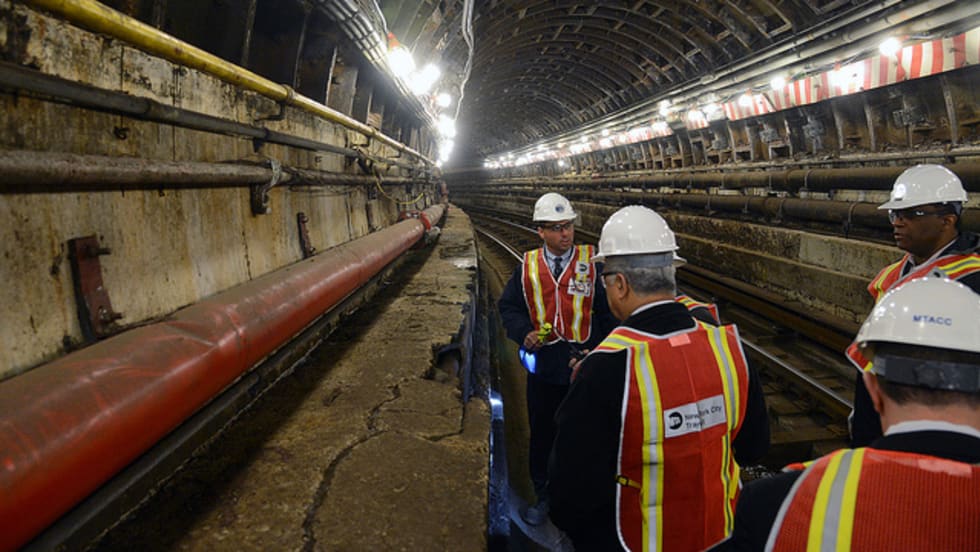
Read More →Temporary fixes brought those tunnels back into service, but the damage has led to increased failures of components, a growing number of delayed trains and a pressing need to make permanent repairs.
Read More →The massive reconstruction work, announced in 2016, called for a full closure of the tunnel for 18 months.
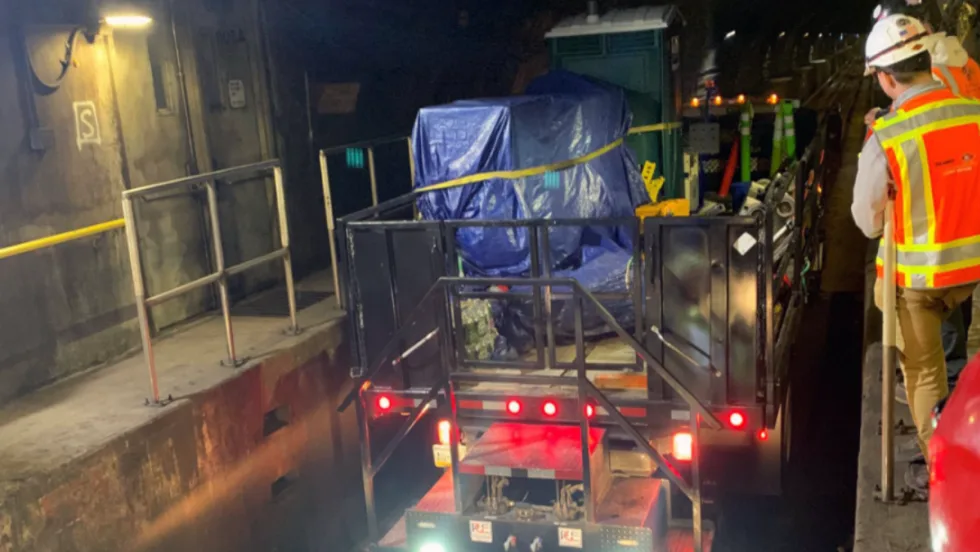
Read More →The rail line begins critical tunnel repairs to restore storm-damaged infrastructure and ensure safe service, which requires one of the company's largest outages in recent history.
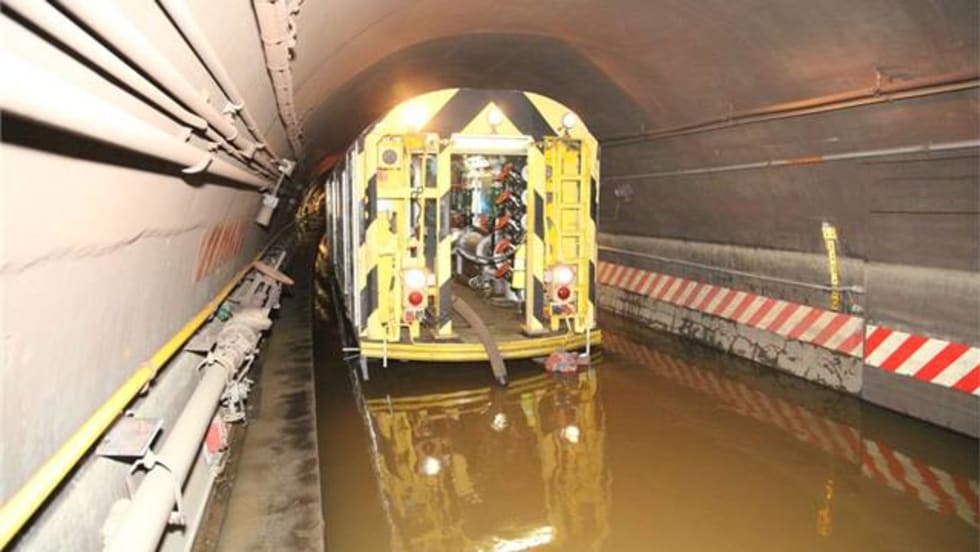
Read More →The MTA is designing solutions to fully prevent water incursion at the approximately 600 entry points in Lower Manhattan as well as vulnerable vent plants and openings in other flood-prone areas.
Read More →The entire MTA transportation network suffered an estimated $4.755 billion worth of damage as a result of Superstorm Sandy. To address the damage, NYC Transit set up dedicated staff in all departments to develop and implement a massive reconstruction and mitigation campaign.
Read More →Full restoration of service is a lengthy process, as damage is assessed and repaired, equipment and personnel are positioned, and safety is ensured, according to New York MTA.
Read More →The majority of the funds will go to the transit agencies that incurred the greatest expenses while preparing for and recovering from Hurricane Sandy — N.Y. MTA, PATH, NJ Transit and NYC DOT.
Read More →State officials’ confidence that its passenger rail fleet was sufficiently protected from extreme weather led an agency executive to dismiss looking into weatherproofing NJ Transit’s railcars against storms produced by more extreme climate patterns earlier this year.
Read More →