



WMATA suspends service due to Hurricane Isabel
The hurricane, which left more than 14 dead and 4.5 million homes and businesses without power, cut a path of destruction on the East Coast.

The Washington Metropolitan Area Transit Authority (Metro) suspended bus and rail service Thursday due to high winds expected to arrive with Hurricane Isabel. The hurricane, which left more than 14 dead and 4.5 million homes and businesses without power, cut a path of destruction on the East Coast. Concern for the safety of customers, employees and pedestrians was the driving force behind the decision to suspend service during the height of the storm. "We want to be clear to our customers, and we think that a decision on a complete shutdown is much easier for them to understand, is less likely to result in someone being stranded within the system and is a decision based on safety," said Metro CEO Richard White. The design standards for Metrorail trains and buses are such that they can withstand winds upwards of 80 mph without sustaining damage, so "this is not an issue of our equipment integrity or reliability. This is strictly a safety issue," White said. Once winds fall below 40 mph, it would take several hours to restore rail service because track inspectors would need to walk the tracks to ensure they were clear from debris and did not sustain any damage from debris that may have landed on the tracks. Other closings included a number of Amtrak routes running south of Washington, D.C. Many routes were modified due to downed trees along the Northeast Corridor. Airlines on Thursday canceled more than 2,000 flights, and flight schedules remained disrupted on Friday.
More Management

APTA Honors 2026 Award Winners, Hall of Fame Inductees at TRANSform & EXPO
Innovations in autonomous and zero-emission transportation, standout transit systems, and industry leadership took center stage among this year's honorees.
Read More →
7 Ways to Build a Better Transit Internship Program
Lessons from DRPA/PATCO’s approach to creating a meaningful internship experience—and developing the next generation of transportation professionals.
Read More →
Scenes from APTA TRANSform & EXPO 2026
Transit leaders, manufacturers, and industry professionals gathered in Chicago to explore new technologies, share ideas, and discuss the future of public transportation.
Read More →
Building Stronger Leaders, More Resilient Transit Teams
Dr. Carol Parker Walsh discusses leadership development, employee retention, workplace culture, and preparing transit’s workforce for AI and automation.
Read More →
APTA 2026 TRANSform & EXPO Kicks Off in Chicago
After 45 years, APTA returns to Chicago with a focus on next-generation fleets, AI, connected transit networks, and the funding strategies shaping public transportation’s future.
Read More →
New York MTA Warns Federal Tariffs Could Add $1 Billion to Rolling Stock Costs
The agency said tariffs on specialized imported components could reduce the purchasing power of its $23 billion investment in new subway cars, railcars, and buses.
Read More →
From the Show Floor: What Happened at APTA TRANSform & EXPO 2026
See the latest product launches, partnerships, technology updates, and transit industry announcements from APTA TRANSform & EXPO in Chicago.
Read More →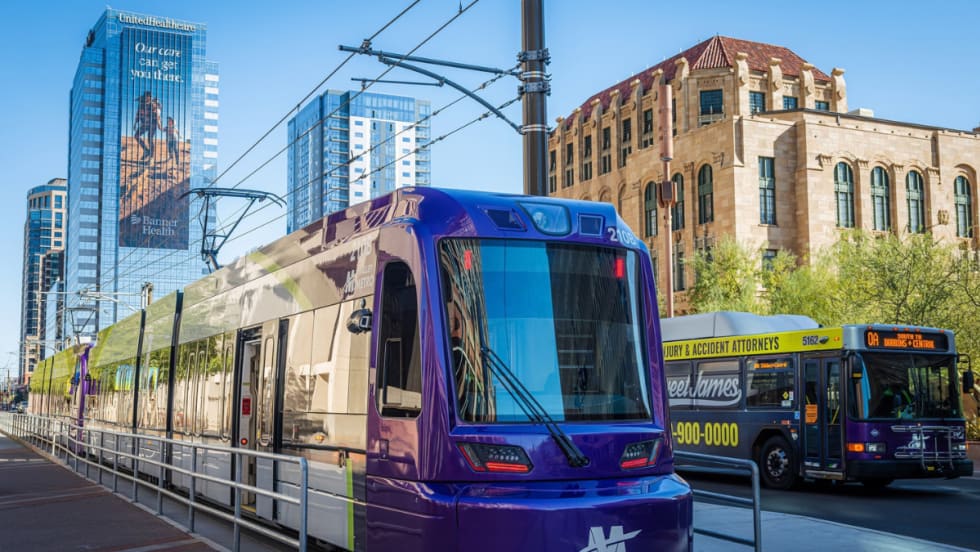
How Valley Metro Is Balancing Transit Growth With the Rider Experience
The APTA award-winning agency is pairing rapid system expansion with investments in workforce, safety, technology, and the fundamentals of transit service.
Read More →
Bus Tech Talk: Keeping Transit Technicians Ahead of the Technology Curve
In this episode of Bus Tech Talk, Complete Coach Works’ Business Development Manager Mark Hollenbeck and METRO’s Executive Editor Alex Roman sit down with Obed Mejia, Senior Technical Trainer for Bus Maintenance, at LA Metro to discuss how rapidly evolving bus technology is changing the maintenance shop — and the skills technicians need to keep pace.
Read More →
Michael Schneider Joins Paslay Group to Expand Transportation Practice
The longtime transportation executive will help Paslay Group grow its advisory and program management work across transit, highway, and other infrastructure sectors.
Read More →