
Metro Magazine

 MENU
 SEARCHMENUSEARCH
Loading data...
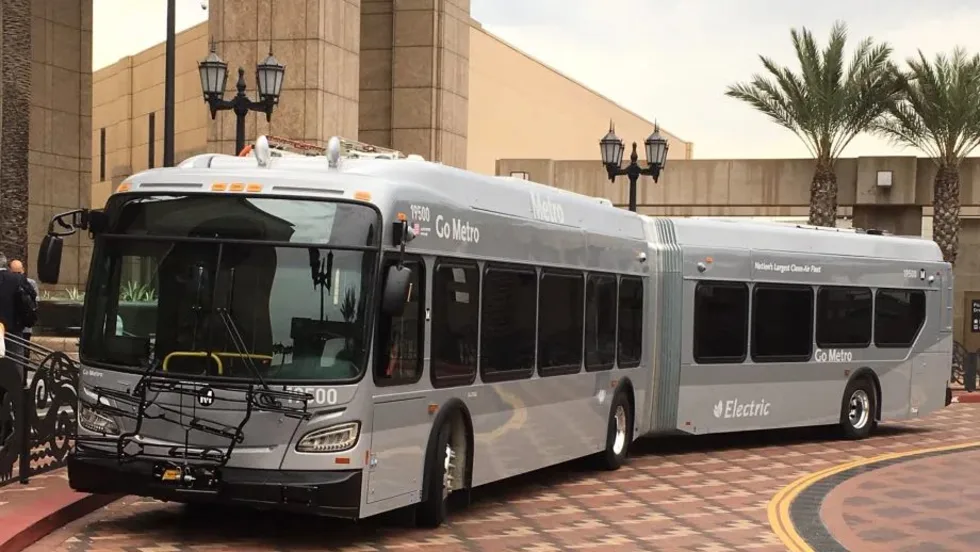
Even amid shifts in federal funding, California continues to advance its zero-emission agenda, enforcing and funding its regulatory framework despite federal obstacles.
Read More →

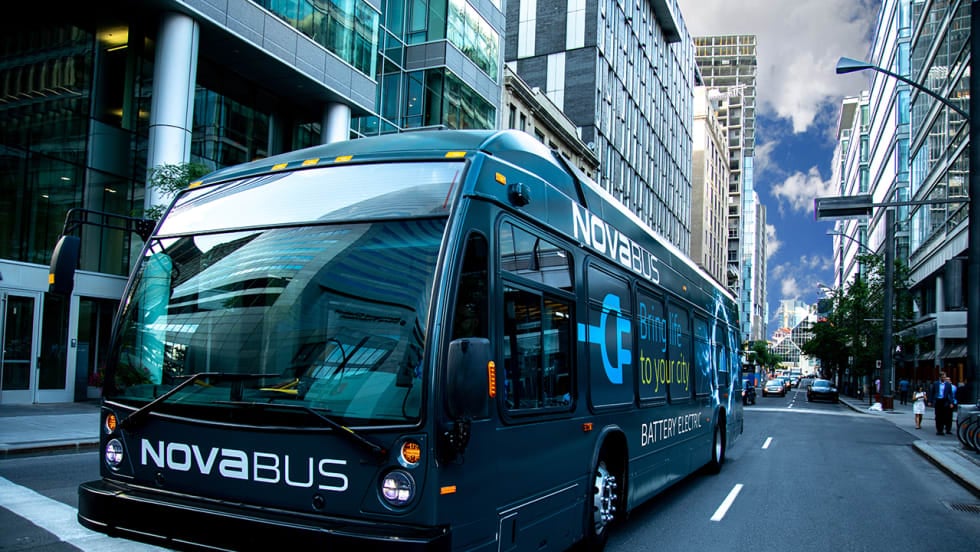

As paratransit market growth continues, contractors make inroads with rail service. METRO sits down with three of the top contractors in the industry to discuss the benefits and the logistics of running contracted services and what the future holds for their businesses.
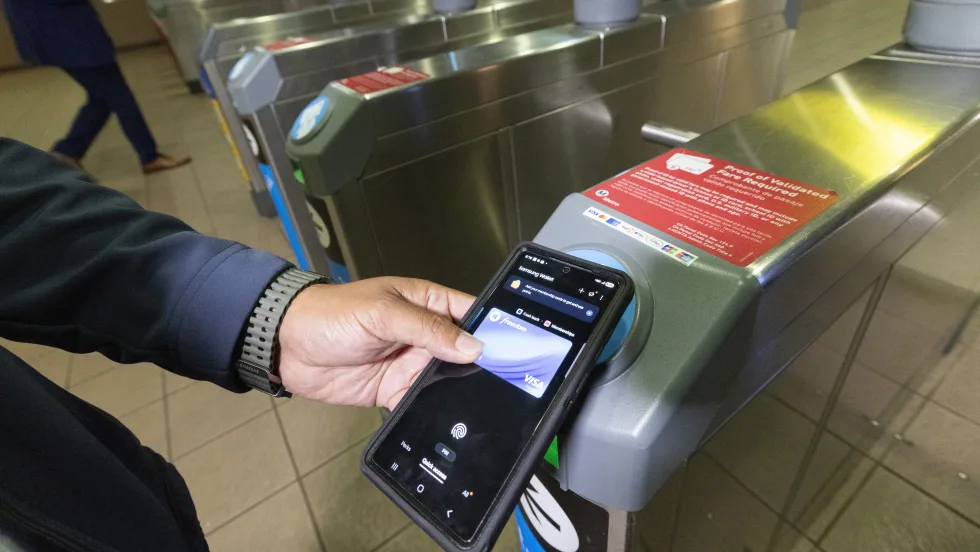
Read More →Available on Metro and at 26 TAP-participating transit agencies, the system reduces waiting times, speeds boarding, and improves convenience systemwide, said the agency.
Read More →A $1.25 million federal boost lets CHA and CUTRIC map hydrogen fuel-cell buses and refueling hubs to help GTHA transit go zero-emission.
Read More →Delivery of the units is slated to begin in late 2027.
Read More →As technology continues to improve, so does mobile surveillance operability. Learn how developments on the horizon in camera use, DVRs, Wi-Fi and information systems will help fleets — both large and small — increase efficiency.
Read More →For many years, the narrative surrounding public transit improvements has been heavily weighted toward environmental gains and carbon reduction. While these are undeniably crucial long-term benefits, the immediate focus of this new funding environment is firmly on demonstrable system efficiencies and a clear return on investment.
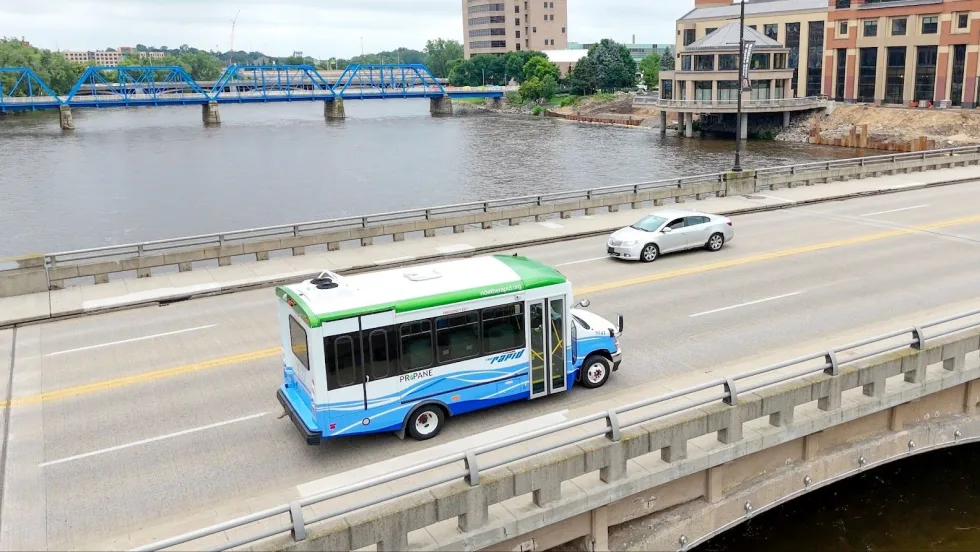
Read More →With approximately 500 propane transit buses now deployed across more than 15 agencies statewide, Michigan is driving advancements in mobility while reducing environmental impact and operating costs.
Read More →As public transit continues to grow in popularity in the U.S., advances in propulsion, software, ITS, fare collection and other areas will have a direct effect on ridership in the next decade.
Read More →The new report was released in conjunction with the IBM Smarter Transportation Virtual Forum, which brought together experts from across the public sector, private industry and academia to discuss urban mobility and the growing need for technology solutions to the nation's transportation, economic and environmental challenges.
Read More →