
Metro Magazine

 MENU
MENU SEARCHMENUSEARCH
Loading data...
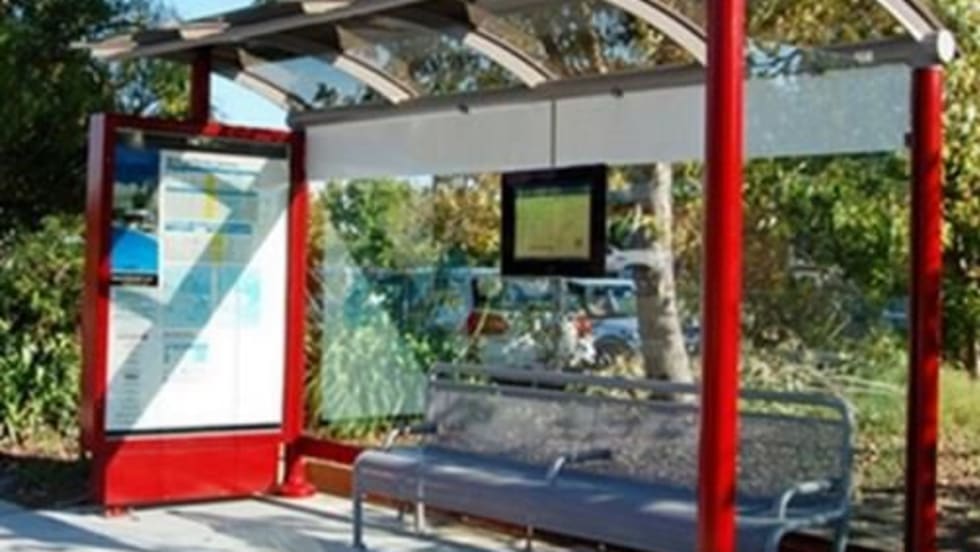
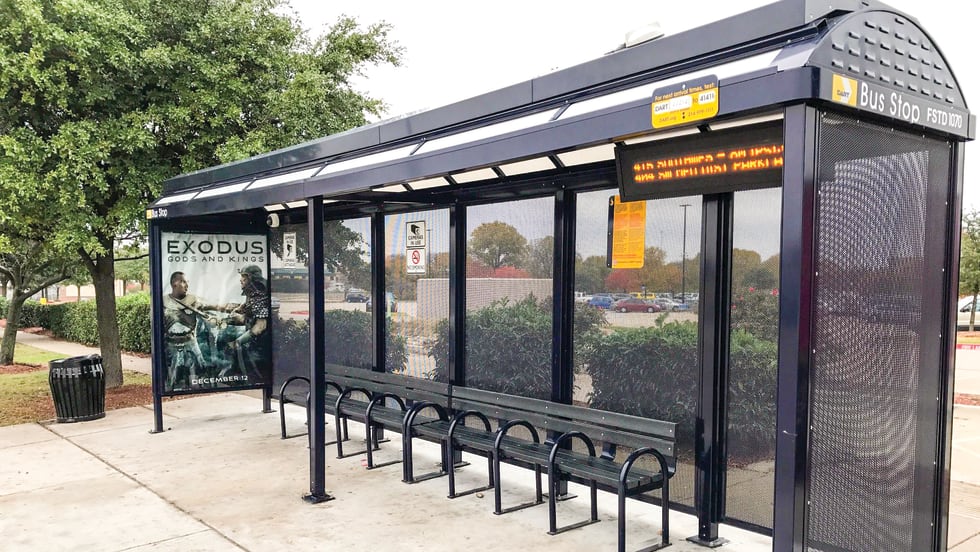
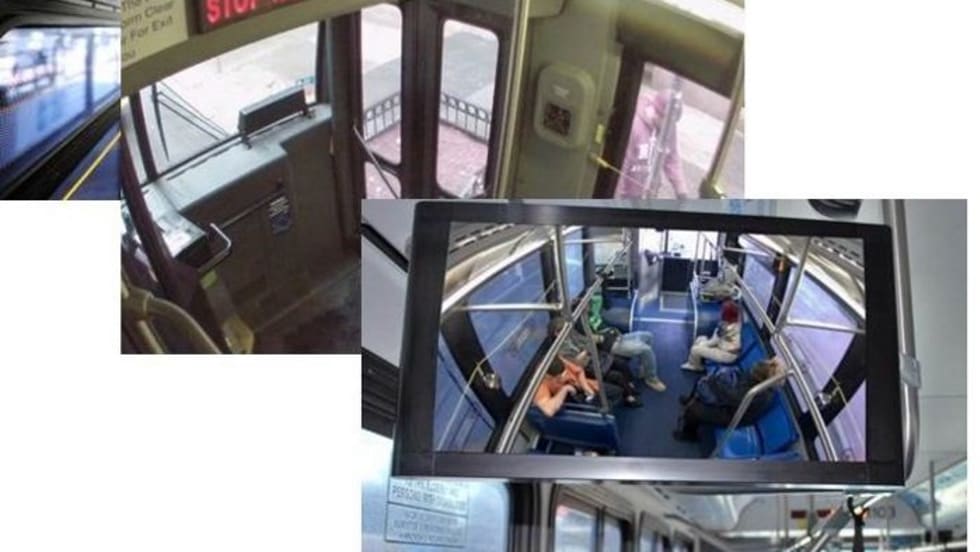
Apollo Video Technology's high definition CCTV video surveillance system can also be integrated for enhanced safety and security of waiting passengers and transit property.
Read More →
While finding drivers and maintenance personnel is still a real issue for operators, many have not only used the web to revamp their approach to recruit drivers, but also market their operations to increase utilization rates. New for 2018, this year’s list is ranked by most motorcoaches, rather than most vehicles as it has in the past.
Read More →The agency’s decision follows the lead of the San Francisco Municipal Transportation Agency, which also banned cannabis ads on its vehicles and properties last month.
Read More →By utilizing this partnership team transit system management and staff can focus on running a safe and effective public transit system while maximizing their advertising revenue and brand promotions
Read More →The California Transit Association award recognizes individuals who have had long and distinguished careers in the public transit industry and have made outstanding contributions to public transit.
Read More →With over 25 years in business, Tolar arguably has the largest portfolio of transit shelters and related street furniture in North America.
Read More →The company will also showcase its low-power displays for stationary applications and assorted rail lighting and display technology.
Read More →With the growing number of city dwellers, demand for and reliance on urban transit has exploded — a fact that compels metropolitan leaders, transit agencies, and transit system architects to focus greater attention not only on efficiency and operability, but also on designing systems that enhance customers’ daily travel experiences.
Read More →Will split revenue with UberDisplays 50/50 over the five-year deal. Officials hope it will bring in $150,000 per year for the system, but that assumes more buses get signs.
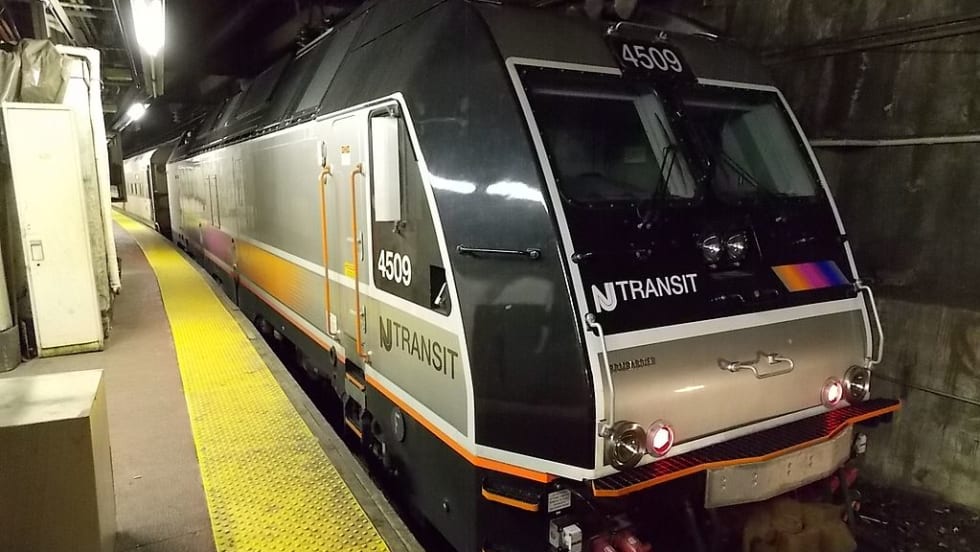
Read More →The campaign to promote a special website on service disruptions while making sure riders knew Amtrak is responsible for the project at the nation's busiest rail terminal cost about $300,000 more than NJ Transit says it typically spends in a full year on marketing.
Read More →