
Metro Magazine

 MENU
MENU SEARCHMENUSEARCH
Loading data...
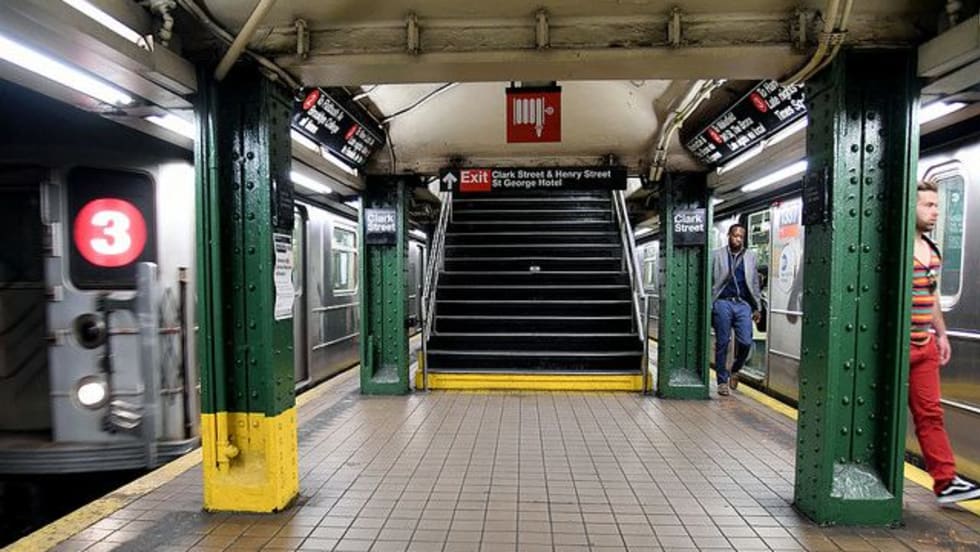
The companies recently completed proof of concepts and will scale their solutions with the MTA, the Port Authority of New York and New Jersey, and NJ TRANSIT.
Read More →






As an outcome of the Smart Cities Movement, Digital infrastructure is thought to provide great hope toward a more connected and livable urban environment.
Read More →Many small to mid-sized public transit agencies are sitting on a treasure trove of data from a variety of hardware and software sources. However, most do not have the capabilities to extract value from that data to gain insights into past, present, and future ridership demand and make meaningful projections.
Read More →Public transit has struggled to retain passengers in North America for many years, while in Europe it has proven to be a fundamental public good. This divergence in the role of public shared mobility versus private individualized mobility has reached a tipping point during the COVID pandemic.
Read More →The AI-based system applies computer vision and machine learning technologies for real-time monitoring and analysis, to ensure the safety of railroad crossings.
Read More →Part of the company’s “Build Back Better” recovery program, the license helps agencies and operators recover from the impact of the COVID-19 pandemic and adjust to changes in ridership rates.
Read More →The first available offering from the companies is an automated solution that can improve the effectiveness of traffic lanes dedicated for public transit buses.
Read More →Twenty-five projects in 23 states will receive funding under the program.
Read More →To move residents through the city, only fully-autonomous, zero-emission vehicles will be allowed on the main thoroughfares.
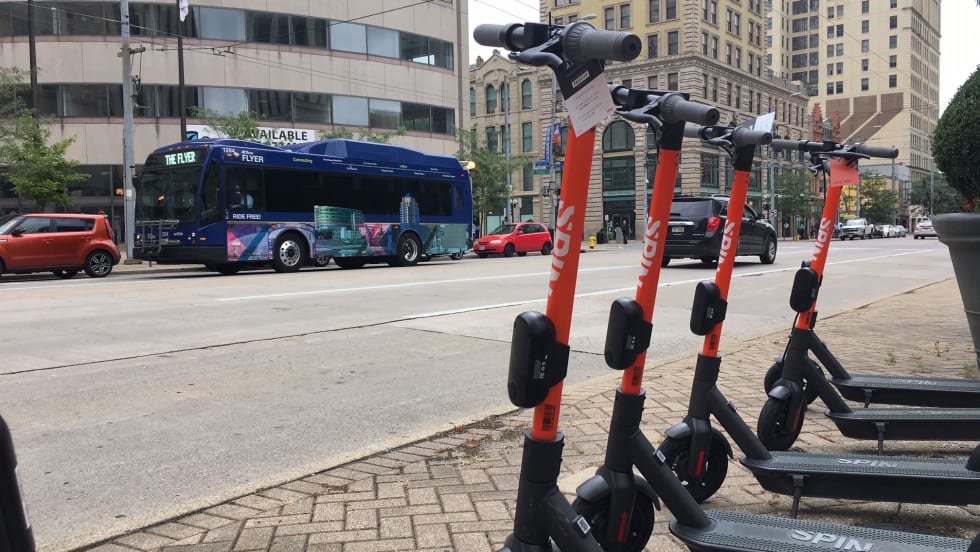
Read More →The concepts of digital twins, urban modeling, resilience, circularity, smart urban spaces, and electric micro-mobility and microtransit...
Read More →