
Metro Magazine

 MENU
MENU SEARCHMENUSEARCH
Loading data...

Approximately 90% of the funds will be invested in resilience projects primarily in New York and New Jersey, where transit systems sustained the worst of the storm damage, with the remainder going towards projects in Connecticut, the District of Columbia, Massachusetts, New Hampshire and Pennsylvania.
Read More →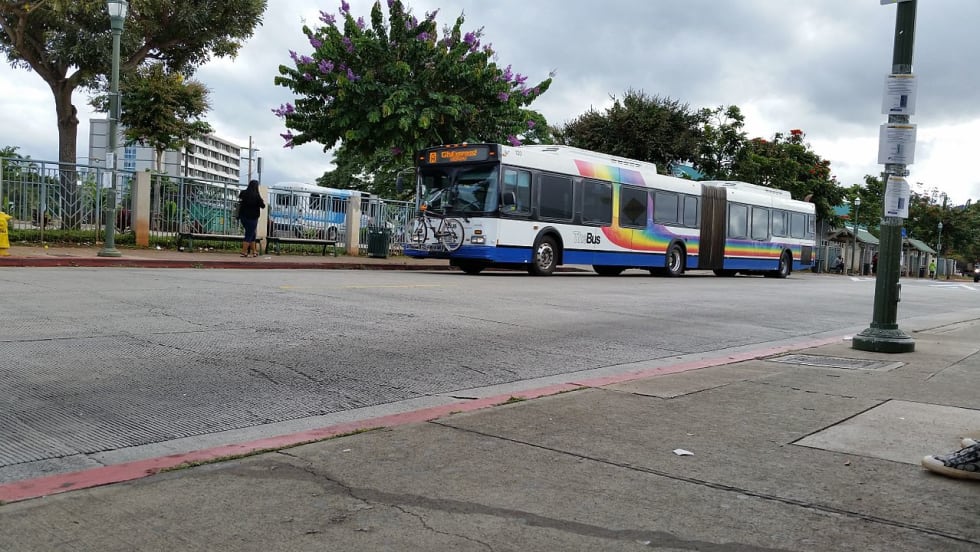
The Bus and Handi-Van service will operate as normal Thursday but will shut down at midnight and won’t operate Friday, because of expected dangerous weather conditions.
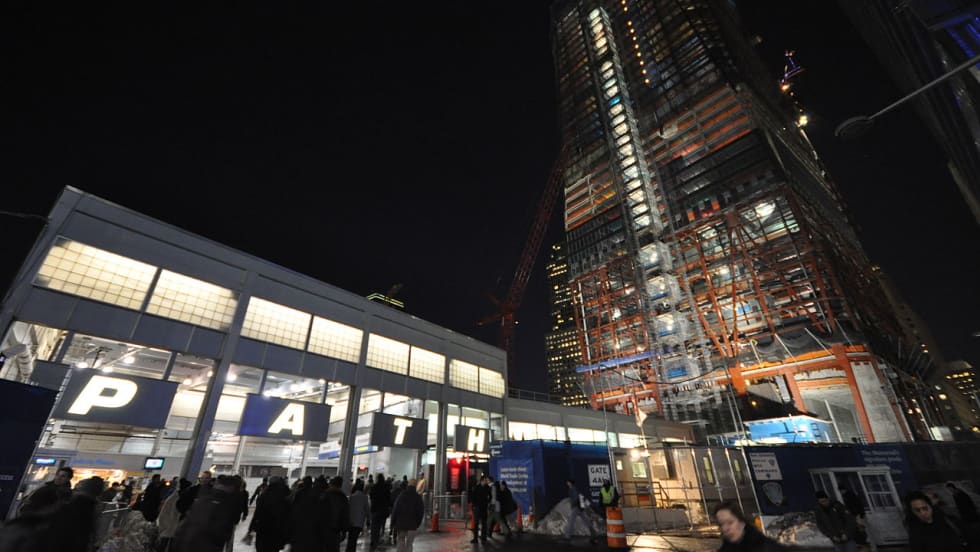
Read More →The funds reimburse the Port Authority of New York & New Jersey and New Jersey Transit for capital projects that are already under way under FTA pre-award authority, while also funding other projects that have not yet moved forward.
Read More →The winter of 2014 was relentless, with its deep freezes, ice storms, record snowfall, torrential rain and mudslides. The end of the season will be welcomed by transportation organizations across the country, especially in Philadelphia, where SEPTA’s service was impacted by 16 storms and weeks of extremely frigid temperatures.
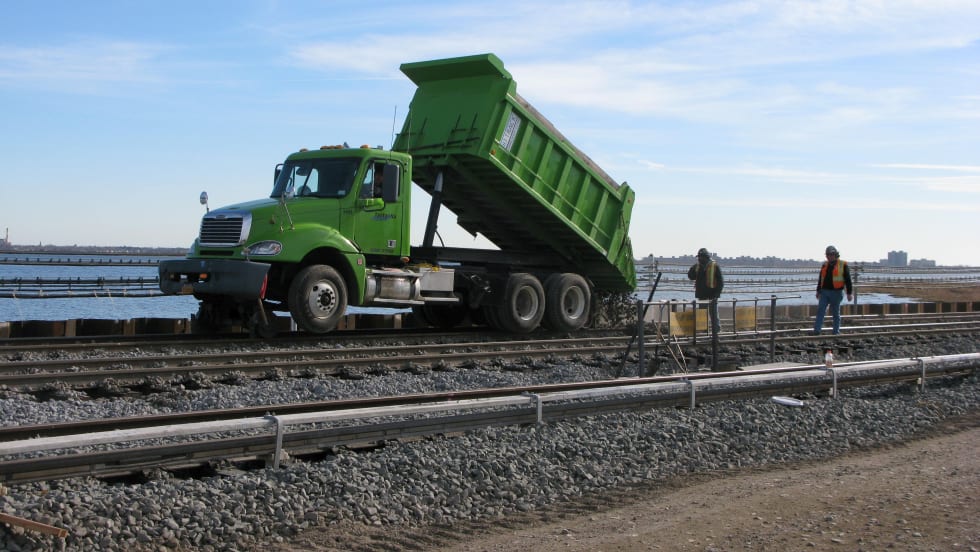
Read More →The funds reimburse the MTA for work that is already underway and also enable future projects to be completed.
Read More →Downed wires left nearly 200 riders in in 10-degree weather for about two hours on Thursday. The train lost power and heat, but the railcars had been warm beforehand and temperatures inside the cars never fell below freezing, officials say.
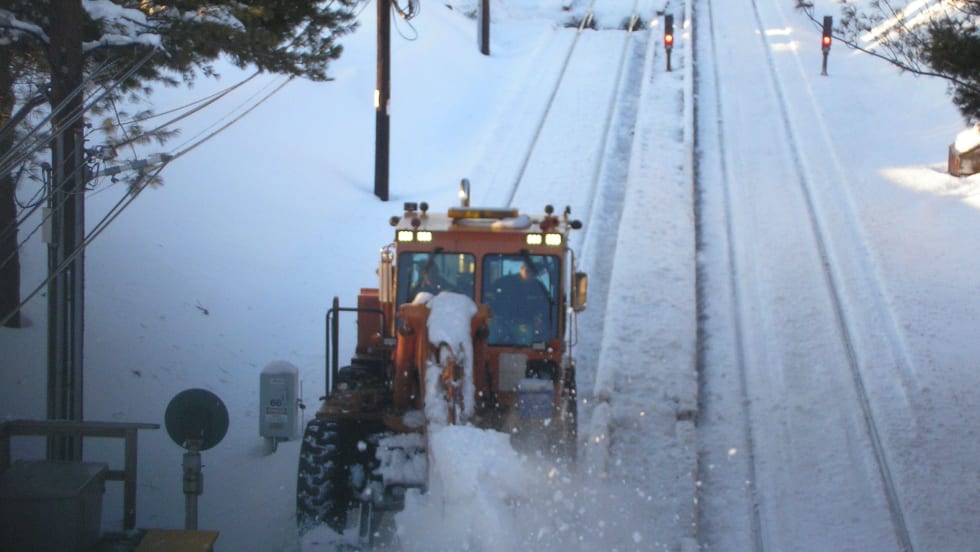
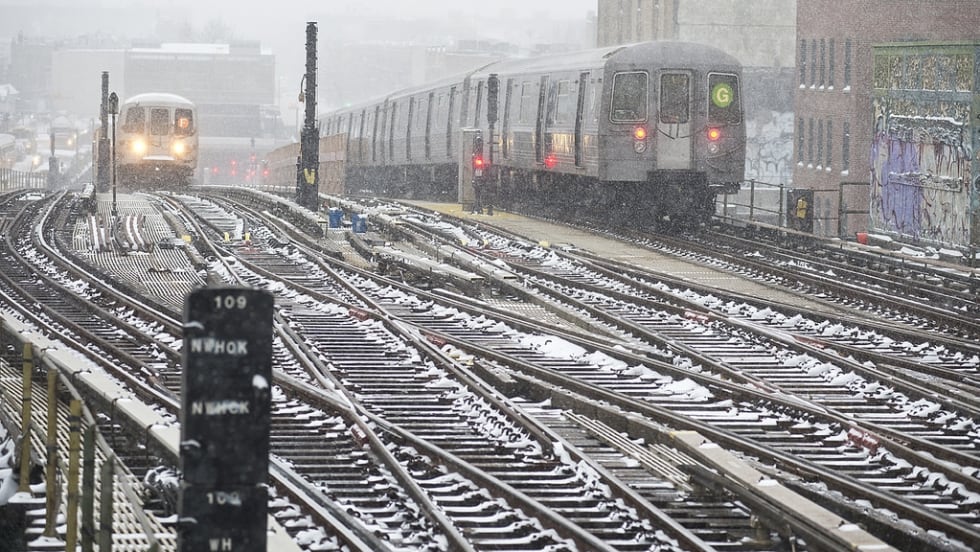
Read More →Deep snow, frigid temperatures and icy buildup on the third rails are liable to trap trains inside the yards, rendering them useless when needed and also making it far more difficult to clear the yards of snow.
Read More →The funds will be awarded on a competitive basis for projects that protect critical transit infrastructure from being damaged or destroyed by future natural disasters.
Read More →A climate scientist, was one of the people perhaps most responsible for showing how such epic flooding would affect the city's subways, which prompted the MTA's preparations before the storm hit.
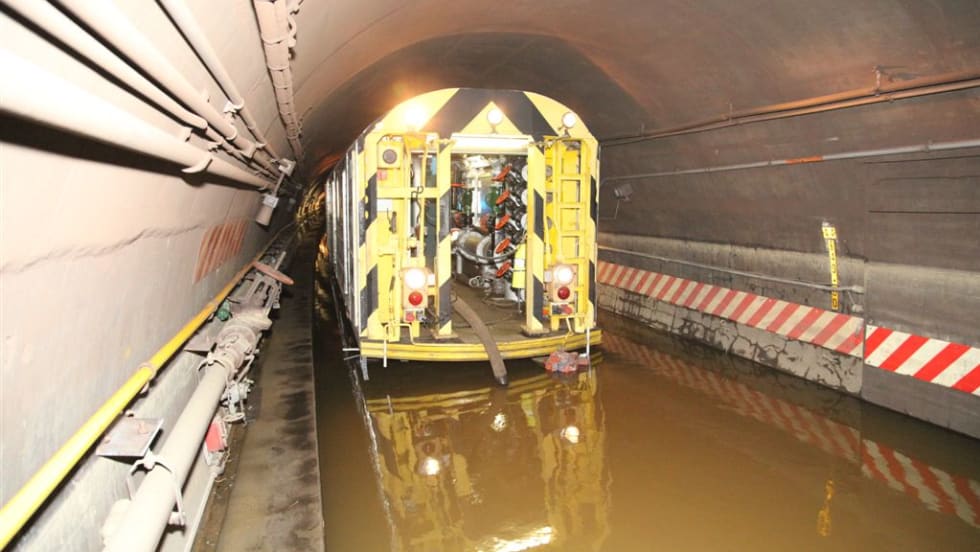
Read More →The MTA is designing solutions to fully prevent water incursion at the approximately 600 entry points in Lower Manhattan as well as vulnerable vent plants and openings in other flood-prone areas.
Read More →