



Winter wreaks havoc, leaves transit weary
The winter of 2014 was relentless, with its deep freezes, ice storms, record snowfall, torrential rain and mudslides. The end of the season will be welcomed by transportation organizations across the country, especially in Philadelphia, where SEPTA’s service was impacted by 16 storms and weeks of extremely frigid temperatures.

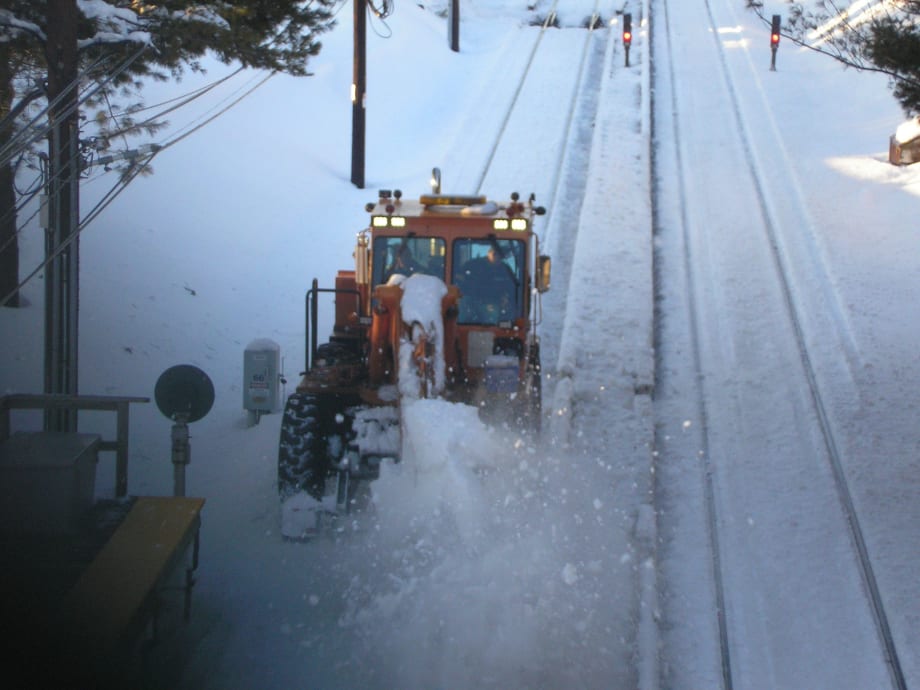
SEPTA uses a jet engine to melt snow and ice on the tracks of its rail lines.
SEPTA uses a jet engine to melt snow and ice on the tracks of its rail lines.
The winter of 2014 was relentless, with its deep freezes, ice storms, record snowfall, torrential rain and mudslides. The polar vortex was a “hot” topic of conversation across the country and we became intimately familiar with the new phenomenon of naming winter storms — Janus, Nika and Quintus, anyone?
The end of the season will be welcomed by transportation organizations across the country, especially in Philadelphia, where the Southeastern Pennsylvania Transportation Authority’s (SEPTA) service was impacted by 16 storms and weeks of extremely frigid temperatures.
Proactive measures helped SEPTA “weather” the intense winter. Ahead of snow and ice storms, SEPTA twice detoured more than half of its bus routes that operate along roads notoriously prone to weather-related problems.
RELATED: "Arctic temperatures wreak havoc on Chicago rails"
On Feb. 13, SEPTA suspended all bus service from 10 a.m. to 3 p.m. and, along with Regional Rail service, from 10 p.m. until the Feb. 14 morning rush hour.
“Conditions were too hazardous for us to safely operate our vehicles,” said SEPTA Assistant GM, operations, Ron Hopkins. “We couldn’t risk having vehicles full of passengers stranded for hours during the storms in areas we wouldn’t be able to reach with our service trucks.”
Pulling buses off the streets also gave municipalities the opportunity to plow streets without having to navigate around the vehicles.
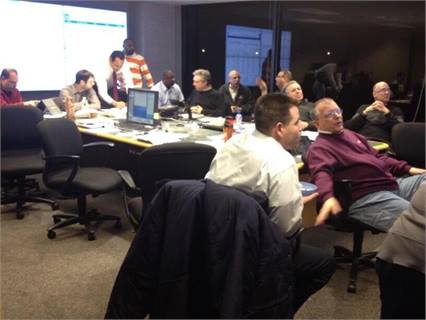
SEPTA staff monitor the snow's impact on the system.
In addition to detouring and interrupting service, SEPTA brought in personnel to work around the clock at its Headquarters Command Center and in the field to monitor conditions. Mechanical staff at bus depots and rail yards were able to address vehicle equipment concerns, while track inspectors, maintenance crews, signal maintainers and power crews staged at various locations throughout the system were available to attend to issues quickly. By deploying extra staff, SEPTA was in the best possible position to quickly identify problems and take corrective action to minimize the impact to riders.
SEPTA’s Market-Frankford and the Broad Street lines — its two busiest routes — operated with train service overnight, rather than switch to regular Night Owl Bus service, to keep additional buses off potentially icy roads and help with efforts to continue service on those vital transit arteries.
Trains were stored in tunnels, to be out of the elements and ready for the next day’s commute. SEPTA also ran pilot trains on its Regional Rail commuter lines and trolley routes overnight to help prevent ice from accumulating on overhead wires.
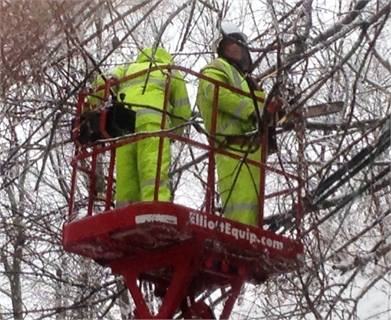
The transit system's engineering, construction and maintenance crews trim trees on the Lansdale/Doylestown Line during the Feb. 5 storm.
While the proactive plan helped SEPTA preserve service, the weather did wreak havoc on its budget — as it did transit organizations across the country. In just a matter of weeks, a modest surplus of $200,000 was a multi-million dollar deficit — a word that is taboo to SEPTA Chief Financial Officer Richard Burnfield. The transit system has had a balanced budget for 14 consecutive years.
SEPTA had allotted for $4 million for winter costs. By Feb. 25, the agency had spent almost $11 million on labor (in-house and contracted); equipment rentals; and materials such as salt, traction motors, overhead wires, insulators and bus pneumatics. School and business closures caused by snow and ice led to lower ridership (down 6% and 8% in January and February, respectively), and therefore, reduced revenue.
“Deficit is not part of my vocabulary,” Burnfield said. “We will have to take a hard look at our operating budget for the rest of the fiscal year to see how we can bring it back to a balanced status.”
In case you missed it...
Read our METRO blog, "What if we sold transit fares like cell-phone minutes?"
More Blog Posts
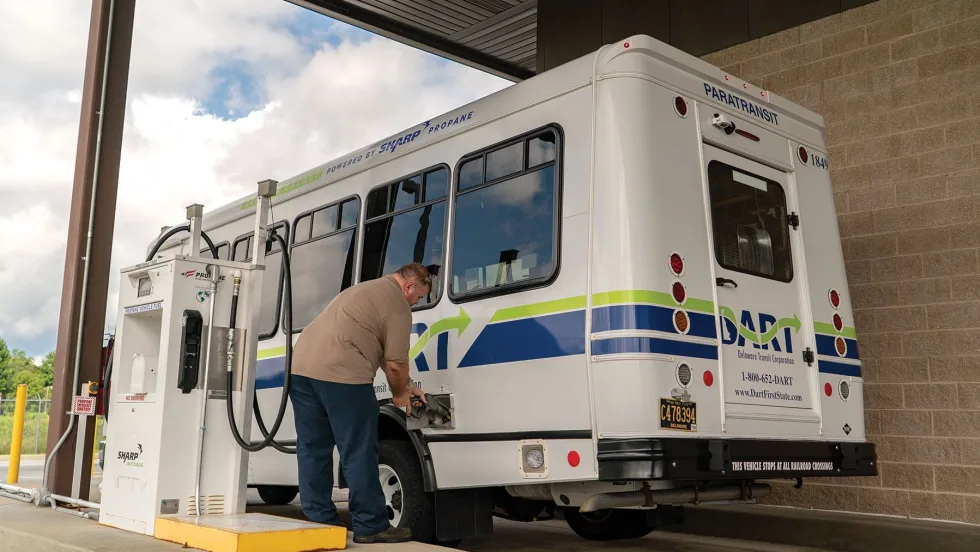
Building a Winning FTA Grant Proposal: Why Propane Autogas is the Pragmatic Choice for Fleet Resilience
With $610 million available through the FY 2026 Buses and Bus Facilities Competitive Program and the Low or No Emission Grant Program, agencies must build a compelling case before the September 21 deadline that balances environmental compliance with operational feasibility.
Read More →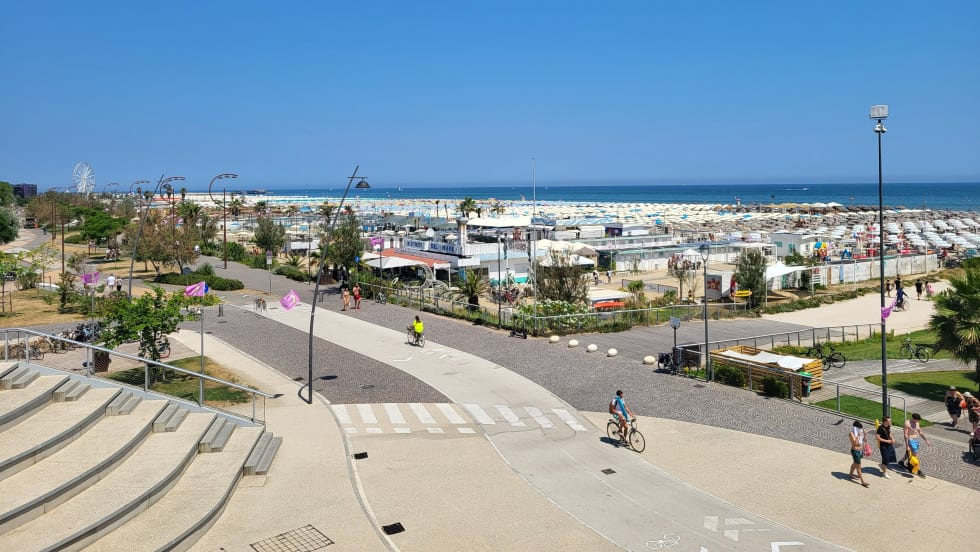
Velo-city Conference 2026: Latest Trends in Cycling as Part of Urban Mobility
The global cycling conference highlighted how cities are integrating bicycles into multimodal transportation networks, expanding cycle tourism and reshaping urban mobility.
Read More →
Kindness Isn’t Soft...It’s Strategic.
Mike Bismeyer — often known as “The Kindness Guy” — has spent more than 17 years in public transit and mobility, serving in industry leadership roles, speaking across North America, and advocating for stronger workplace cultures. But his message doesn’t come from theory. It comes from lived experience.
Read More →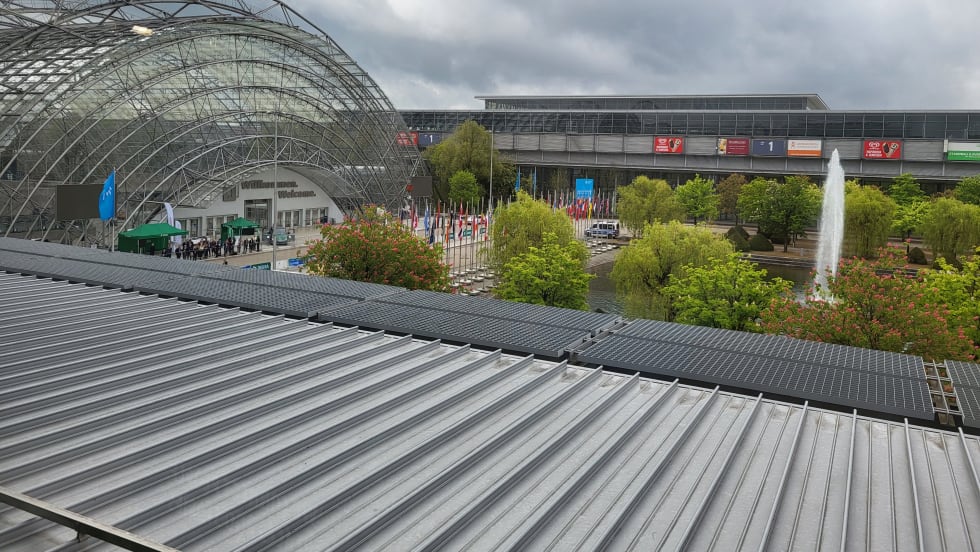
Inside ITF 2026: Transport Reacts to A Challenging World
Transport leaders from around the world gathered in Leipzig, Germany, for the 2026 International Transport Forum to discuss resilience, climate impacts, supply chains and the future of sustainable mobility.
Read More →
Every Ride Tells a Story — But You’re Not Just Selling the Ride
You’re selling the moment, the meaning, and the emotion behind it.
Read More →
How Digital Signage is Reshaping the Traveler Experience at Transportation Hubs
What was once a landscape of static signs has evolved into a responsive, immersive environment powered by real-time visual communication.
Read More →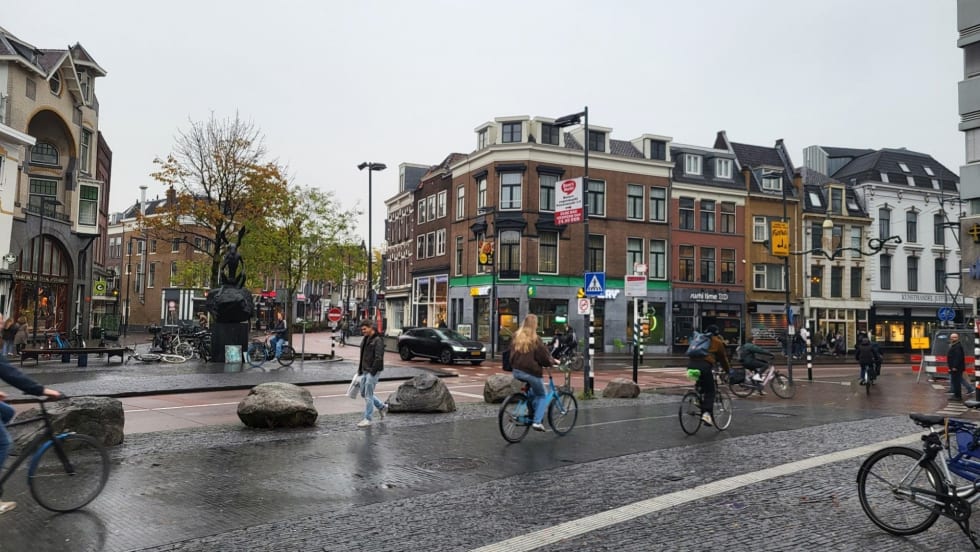
Latest Trends in Urban Mobility from Polis Conference 2025
Polis comprises cities and regions, as well as corporate partners, from across Europe, promoting the development and implementation of sustainable mobility. This year’s event had over a thousand attendees across various policy forums and an exhibition.
Read More →
Why Transit Leaders Require Better Tools for Operational Clarity In Today’s Tech-Fragmented Environment
Across North America and beyond, transit agency officials are contending with a perfect storm of operational headaches and strategic challenges that hamper daily service and long-term progress.
Read More →
The Powerless Brokers: Why California Can’t Build Transit
It is no secret that transit in the U.S. is slow and expensive to build.
Read More →
Why Transport Sustainability Should Focus on People Instead of Cars
Simply incentivizing electrification is not enough to make a meaningful impact; we must shift our focus toward prioritizing public transportation and infrastructure.
Read More →