
Metro Magazine

 MENU
 SEARCHMENUSEARCH
Loading data...

The plan identifies short- and long-term steps PRT can take to reduce its reliance on fossil fuels, production of greenhouse gases, and the negative environmental impacts they create.
Read More →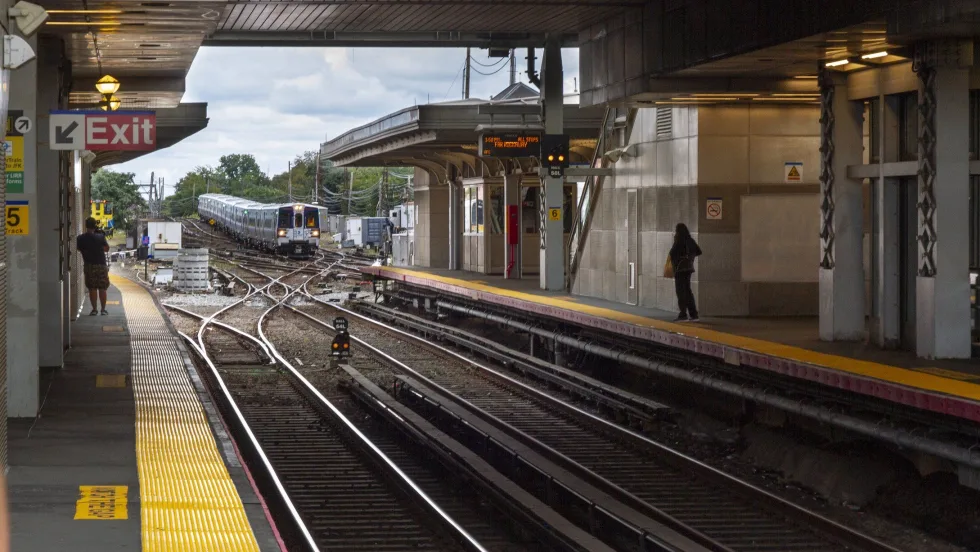
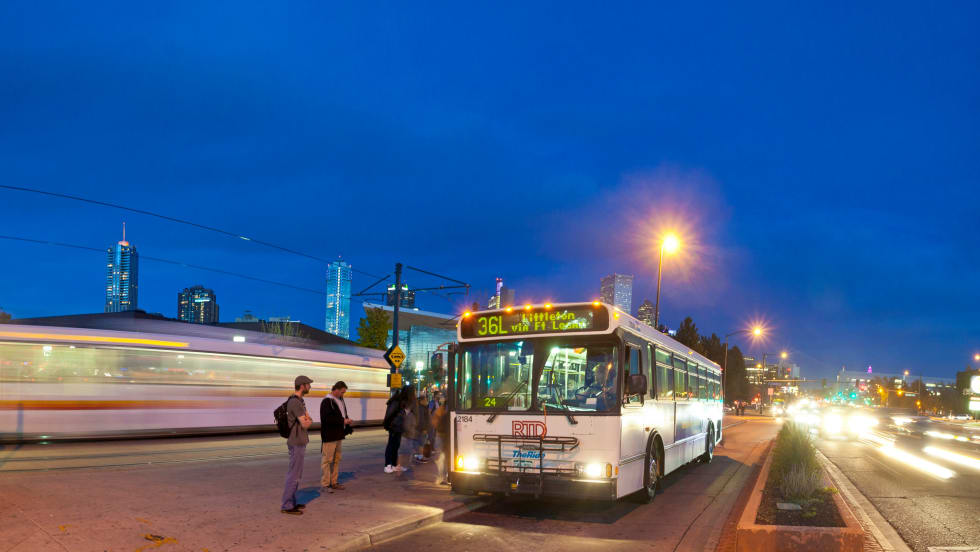


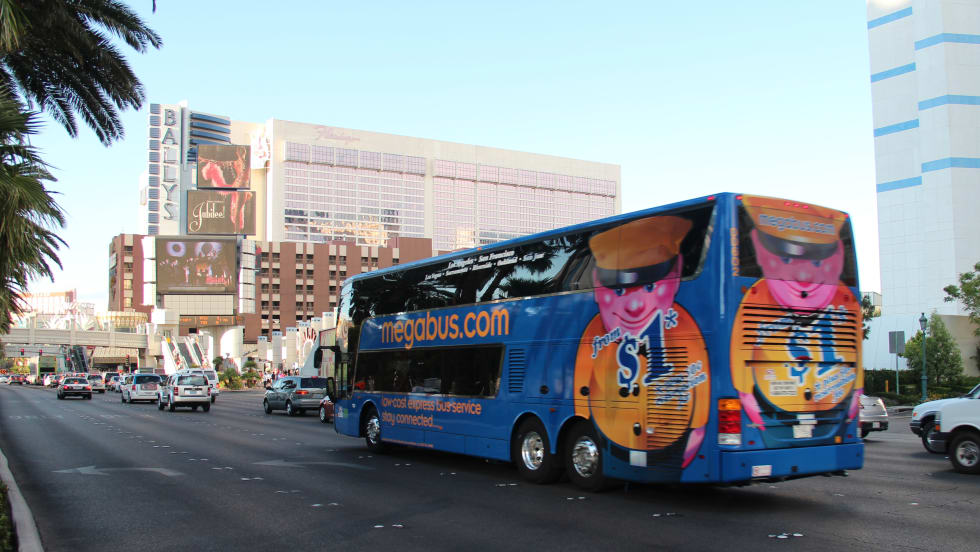



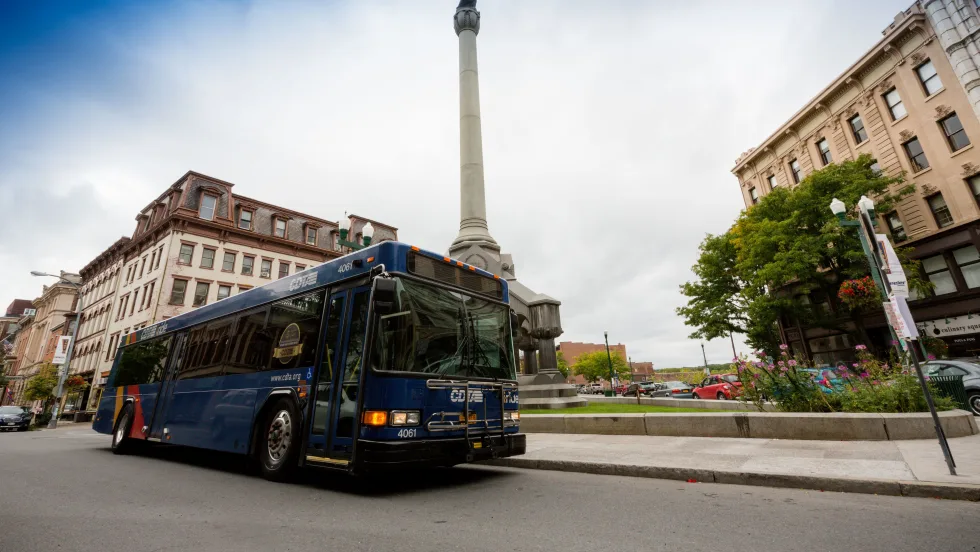
Created annually and each quarter year since 2002, NYMTC's Travel Patterns Reports measure ridership on buses, rails, subways, and ferries along with the vehicular traffic crossing the area's waterway bridges and tunnels in New York City, Long Island, the Lower Hudson Valley, and Northern New Jersey.
Read More →The final report shows an increase in customer boardings and estimates a reduction of approximately nine million vehicle miles traveled during July and August.
Read More →The state-funded program, which expanded by one month this year, provided access to all RTD’s services during the months of July and August at no cost.
Read More →METRO asked some of the top execs in the nation what they are doing to improve their offerings for ridership.
Read More →With business down in Fiscal Year 2016, which ended in June,ridership also dipped in some markets, but not the Northeast where both services and competition are increasing. While admittedly in its infancy, crowdsourcing motorcoach services is also slightly on the rise.
Read More →The average young person (age 16-34) drove 23% fewer miles in 2009 than the average young person in 2001. The report also notes that a growing number of young Americans do not have driver’s licenses.
Read More →Ridership for Twin Cities-area agency tops 2 million for first time.
Read More →Public transit leaders gathered in Greensboro, N.C., to explore how outcome-based data is reshaping the way agencies measure community impact and to celebrate standout performers like Long Beach Transit.
Read More →Many of the old ways of doing business in the transit world are now in flux. Funding is not as stable as it was, ridership dropped, and full bus occupancy, once a measure of success, is now a thing to be avoided.
Read More →