



Denver's RTD Wraps 'Zero Fare for Better Air' Pilot
The state-funded program, which expanded by one month this year, provided access to all RTD’s services during the months of July and August at no cost.

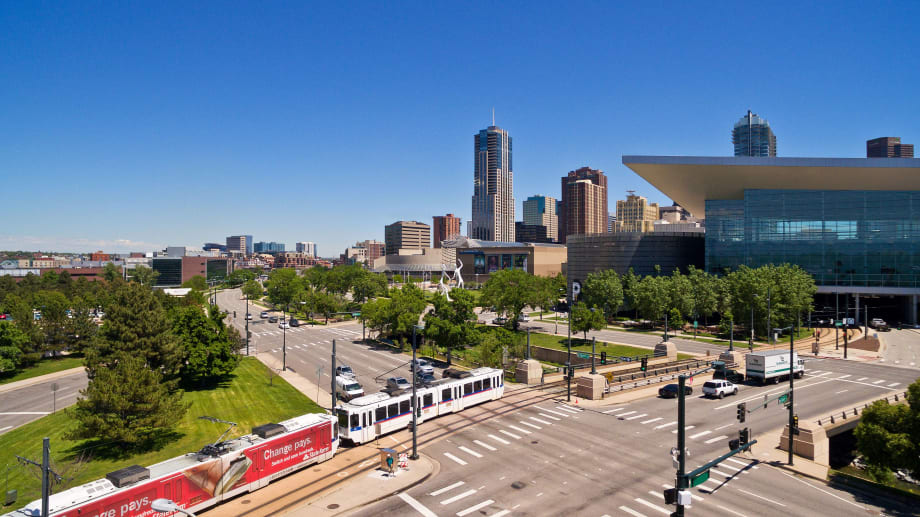
A final report that will include ridership numbers, customer survey data, and other metrics related to the zero-fare initiative is currently being compiled, and RTD plans to publicly release the information in October.
Denver RTD
Denver’s Regional Transportation District (RTD) wrapped up the final day of its two-month “Zero Fare for Better Air initiative,” and the agency is already able to highlight a number of successes.
The state-funded program, which expanded by one month this year, provided access to all RTD’s services during the months of July and August at no cost.
Results To Be Determined
A final report that includes ridership numbers, customer survey data, and other metrics related to the zero-fare initiative is currently being compiled, and RTD plans to publicly release the information in October.
As part of the report, RTD is working with the Regional Air Quality Council (RAQC) to quantify and better understand the two-month initiative’s impact on vehicle emissions and ground-level ozone levels.
“RTD welcomed many new customers to its system during Zero Fare for Better Air,” said GM/CEO Debra A. Johnson. “The agency focused this year’s campaign on creating a welcoming transit environment that encouraged individuals in the Denver metro area to discover new commuting habits and explore sustainable transportation options. Early indications point to successes with the initiative, and I am eager to review the final report and learn more about the impact of this year’s program.”
Early Indicators of Success
Two early successes of note include RTD’s ability to meet a surge in customer demand during large-scale events and no major uptick in criminal incidents reported on the system in July and August.
During Zero Fare for Better Air, RTD experienced its busiest weekend ever on July 14 and 15 while supporting the transit needs of thousands of customers attending multiple major events, including the Taylor Swift concerts and the Colorado Rockies vs New York Yankees games, in the downtown area.
During that two-day period, many of RTD’s vehicles ran at capacity for hours, and special service trains were added to the system to meet a spike in demand. RTD also saw a large increase in new, first-time visitors to the agency’s website and individuals using the trip planner application to create itineraries.
Improving the Customer Experience
As part of the agency’s efforts to create a welcoming transit environment, RTD’s Police Department increased patrols along the system and partnered with other law enforcement agencies in the service area.
In late June, RTD updated its Customer Code of Conduct, now known as Respect the Ride, and began enforcing the prohibited activities and behavioral guidelines during Zero Fare for Better Air. Members of RTD’s police department proactively reminded customers of the policy changes and encouraged individuals to download and utilize RTD’s Transit Watch smartphone application to report crimes or quality-of-life concerns.
Early reports indicate that RTD did not see a large increase in crimes or security-related incidents reported to the agency during the zero-fare initiative in July and August. A full summary of crime-related data from Zero Fare for Better Air will be included in the final report submitted to the state.
In early August, RTD also conducted an extensive customer intercept survey to better understand ridership decisions and commuting trends. RTD will use metrics from the survey to partner with the RAQC, who are subject-matter experts, to determine the overall impact on emissions and ground-level ozone.
A separate employee survey is currently underway to engage RTD’s frontline staff and garner information about the initiative’s impact on their roles and responsibilities. Data from both surveys, ridership numbers, and air quality information from RAQC will be included in the final report that is publicly shared in October and submitted to the Colorado Energy Office later this year.
The collaborative, statewide initiative was funded through a grant program created by Colorado Senate Bill 22-180 in partnership with the Colorado Energy Office. Zero Fare for Better Air was designed to reduce ground-level ozone by increasing the community’s use of public transit. This year, RTD expanded the program to align with Colorado’s highest ozone months.
More Management

METRO Opens Submissions for 2026 Motorcoach Awards
Nominations are now being accepted for METRO Magazine’s Operator of the Year and Innovative Operator of the Year awards.
Read More →
New York MTA Advances Final Contract for Second Avenue Subway Expansion
Contract Four is the largest in the Second Avenue Subway Phase 2 project and includes construction of station infrastructure, tracks, and signals for the subway expansion, MTA officials said. Work on Contract Four will begin in 2027.
Read More →
Transit Agencies Highlight Safety Gains at National Summit
Leaders from 15 major transit systems shared crime-reduction results and safety initiatives while discussing the role of continued federal support.
Read More →

NITA Names New Leadership, Expands Reduced-Fare Program at First Board Meeting
The new regional transit authority appointed its first board chair and interim executive director while extending reduced fares across CTA, Metra, and Pace for eligible riders.
Read More →
Beyond the Checklist: A Structured Approach to Transit Maintenance
Reliability-Centered Maintenance helps transit agencies move beyond routine checklists to focus limited resources on the assets and failures that have the greatest impact on safety, reliability, and service.
Read More →
APTA 2026 Nominating Committee Selects Leadership Slate, Names Chair and Vice Chair Nominees
Leadership changes will help shape the association’s priorities and its representation of the transportation industry during the 2026–2027 term.
Read More →
DART Launches Major Security, Fare Enforcement Initiative
The 90-day demonstration will deploy coordinated security teams at five light rail stations while testing controlled access and gathering data to guide future investments.
Read More →
Advancing Fare Collection Through Technology and Innovation
Learn about delivering 1300 gates at 91 stations while managing fare evasion. Explore the large scale deployment, solution customization and real-world results that affect the region. Prepare for deployment in your region now.
Read More →
Game Day in Motion: Moving Millions During the 2026 World Cup
Between packed transit stations and team motorcoaches, see how agencies and operators across North America tackled the transportation demands of the 2026 FIFA World Cup.
Read More →
Surface Transportation Extension Averts Shutdown, Leaves Transit Funding Gap
The stopgap keeps federal transportation programs moving, but missing advance funding could complicate the transit and rail projects agencies are planning next.
Read More →