
Metro Magazine

 MENU
MENU SEARCHMENUSEARCH
Loading data...
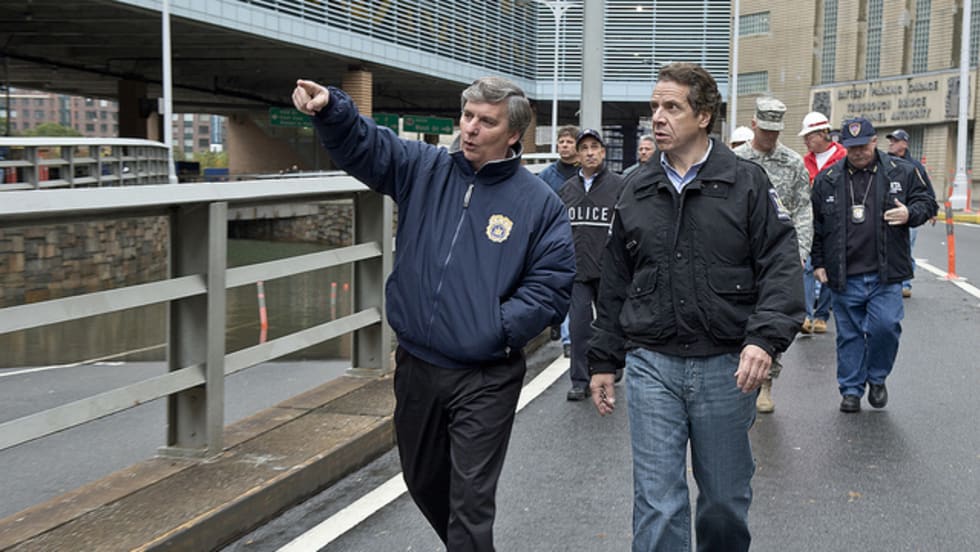
Ferrara, the president of MTA Bridges and Tunnels, will serve in this position after NYCT President Carmen Bianco retires August 21 and will continue as interim president until a new permanent president is named.
Read More →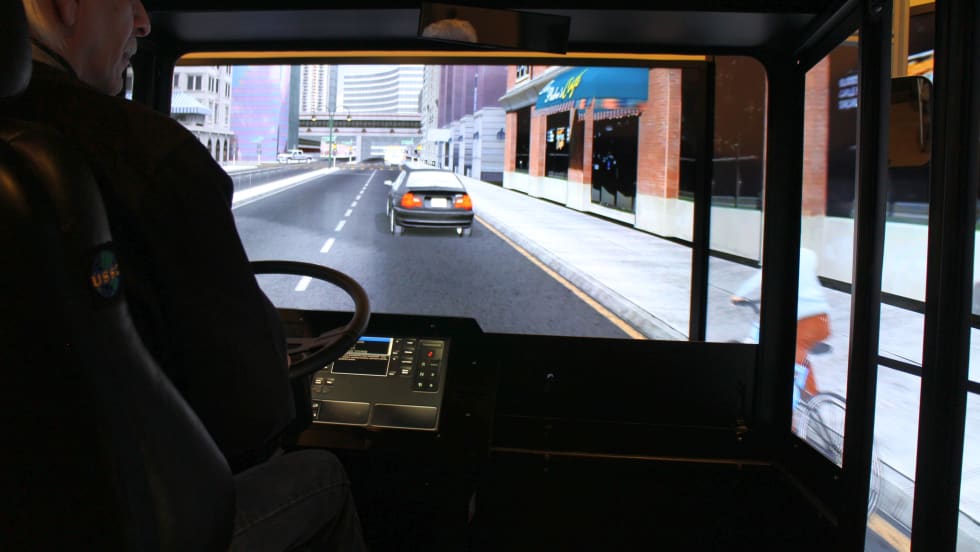


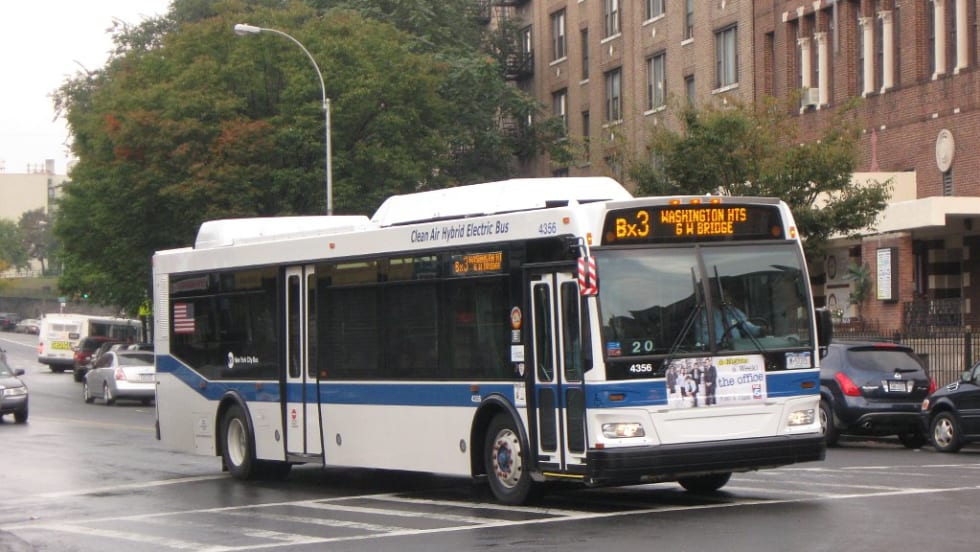
It’s no secret that I am a firm believer in bus simulator training. I enjoyed the benefits of utilizing simulators as a supplemental training tool during my days at New York City Transit. The simulators helped us produce outstanding results by targeting specific outcomes. If your simulator training is not producing what you expected it to deliver, the answer is plain and simple: something is wrong!
Read More →Learn all about CBTC, the future of the New York City Subway. Installation of a new CBTC system allows NYC Transit to operate more trains per hour, thereby increasing passenger capacity; provide improved and more reliable service; and make more efficient use of its track and car fleet.
Read More →The MTA gave preliminary approval to two contracts to Siemens Industry Inc. and Thales Transport & Security for the installation of a Communications-Based Train Control signaling system on one of New York City Transit’s busiest subway lines.
Read More →The countdown clocks were developed in part to address concerns about the overall accessibility of MTA’s Bus Time system, which sends wait-time information to riders via text message, a QR code scan, or over a web site.
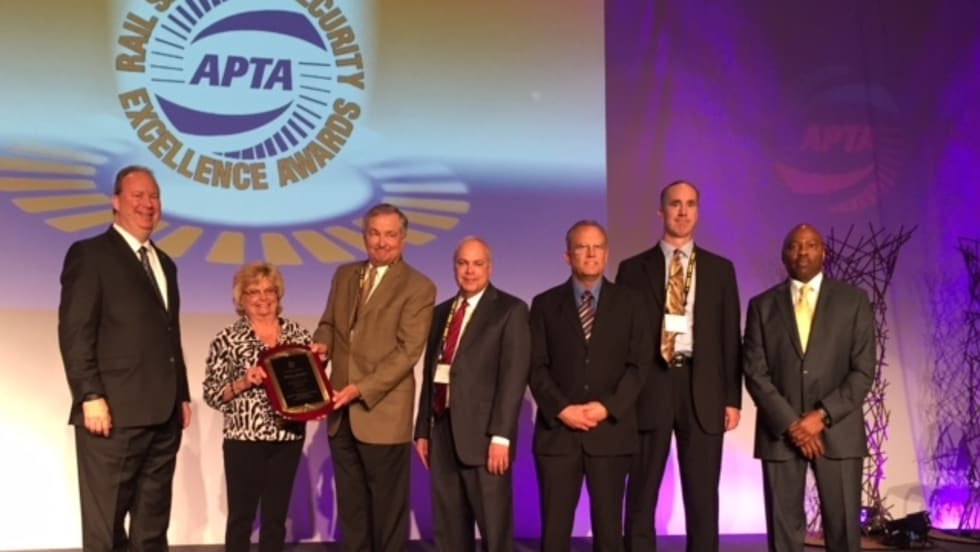
Read More →The awards ceremony took place on Monday at the 2015 APTA Rail Conference, which is being held in Salt Lake City.
Read More →New York City Transit tops this year’s list with $16.5 billion, while several projects, including the Second Avenue Subway and Sound Transit’s University Link, hit major milestones. Meanwhile streetcars continue to make an impact, with one from 2014 successfully launching and three more set to open in the next year or two.
Read More →Users previously accessed the service on a desktop or smartphone by logging in to the mobile website or via text message and QR code based access. Customers who prefer to access MTA Bus Time through the mobile website may continue to do so, while the app offers a downloadable option that saves time and effort.
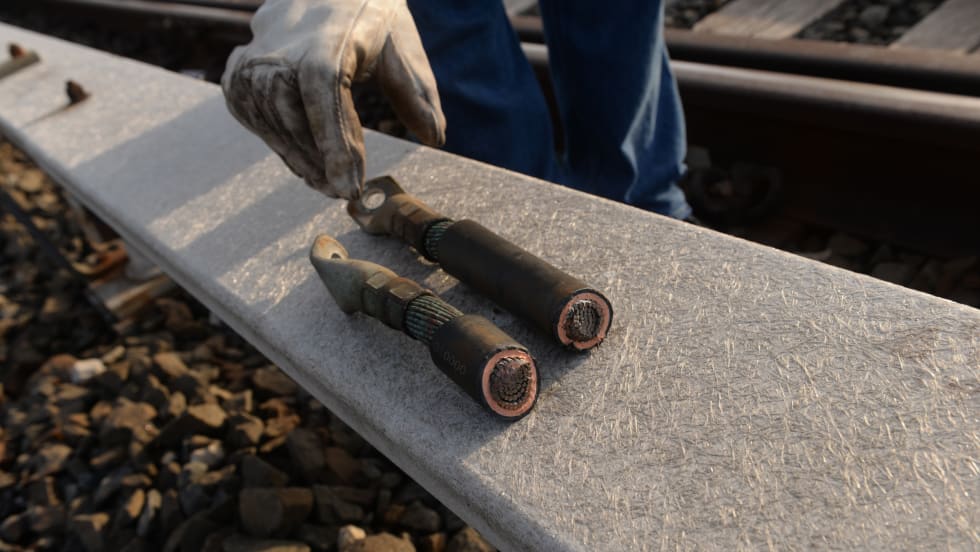
Read More →Copper, which now hovers at $3 a pound on the scrap market compared to about 80 cents a decade ago, is essential to the running of commuter railways, carrying electrical power from substations to the live third rail.
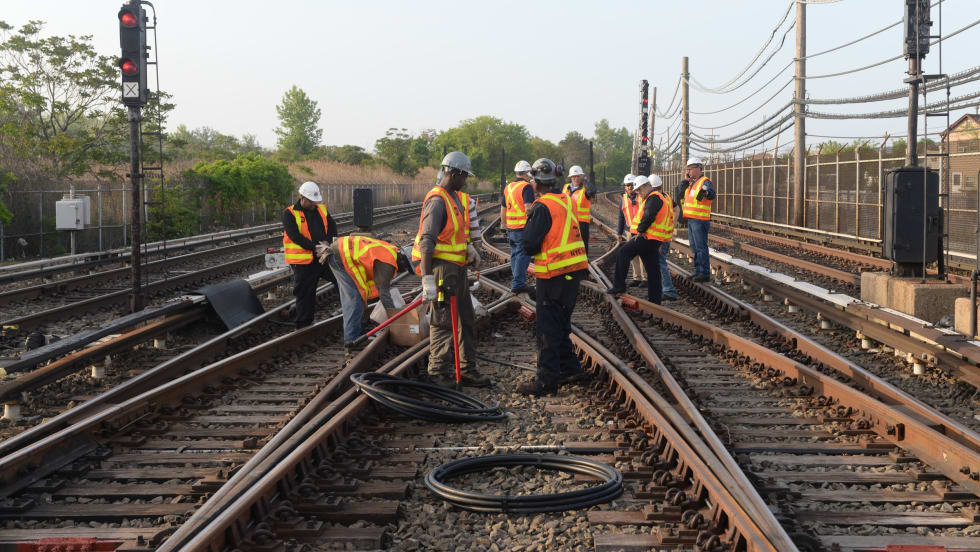
Read More →At least 500 feet of the valuable cable was discovered stolen from roughly 12 locations along the A train tracks near Howard Beach, and some signal equipment and track components were damaged as well by electrical current that could not flow through the cable.
Read More →