
Metro Magazine

 MENU
 SEARCHMENUSEARCH
Loading data...
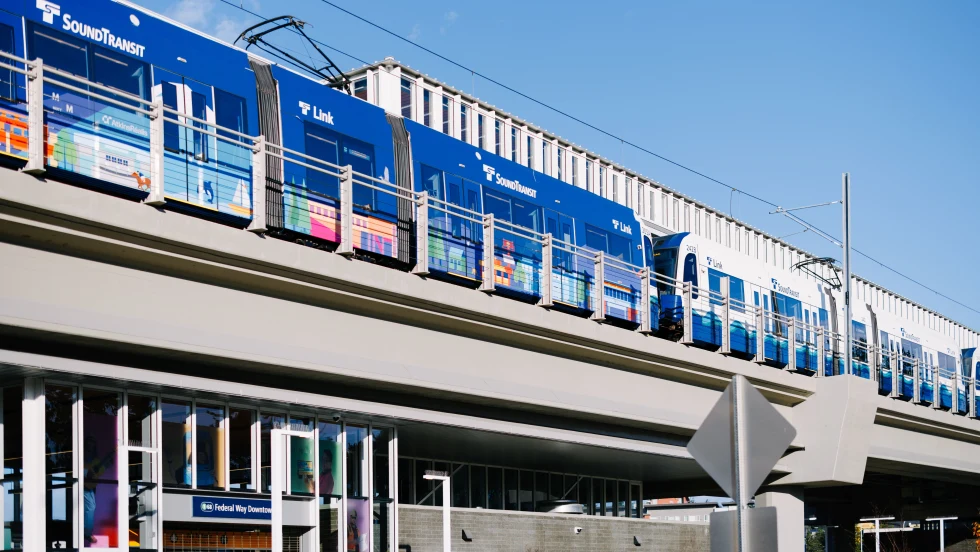
The updated system plan incorporates cost savings across the agency, including new revenue sources and financial policies, to set the agency on a sustainable path for the future.
Read More →



An Urban Institute evaluation found that a fare-free transit program increased ridership, reduced transportation barriers, and improved access to jobs, healthcare, and other essential services.
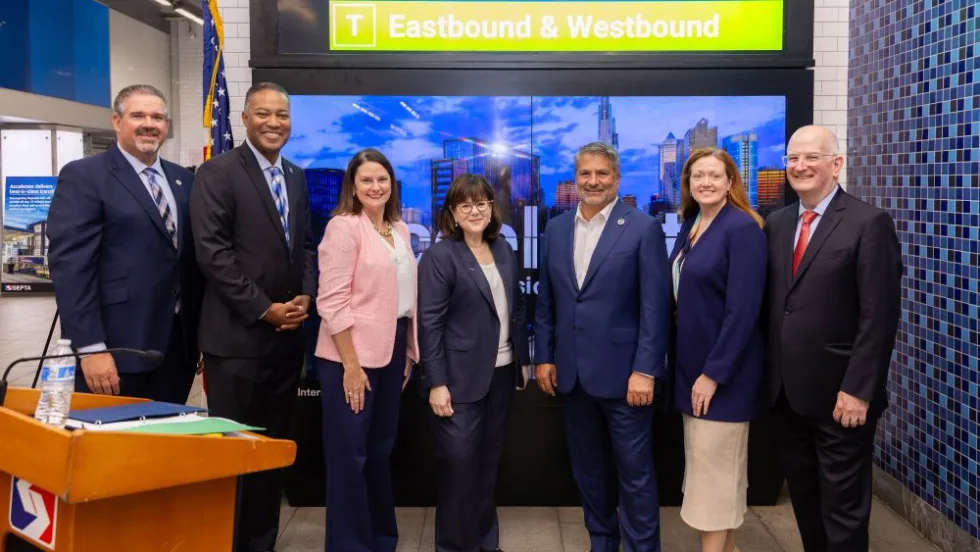
Read More →The plan outlines investments in trolley modernization, new Metro and Regional Rail vehicles, accessible stations, and more frequent bus and rail service.
Read More →Dr. Carol Parker Walsh discusses leadership development, employee retention, workplace culture, and preparing transit’s workforce for AI and automation.
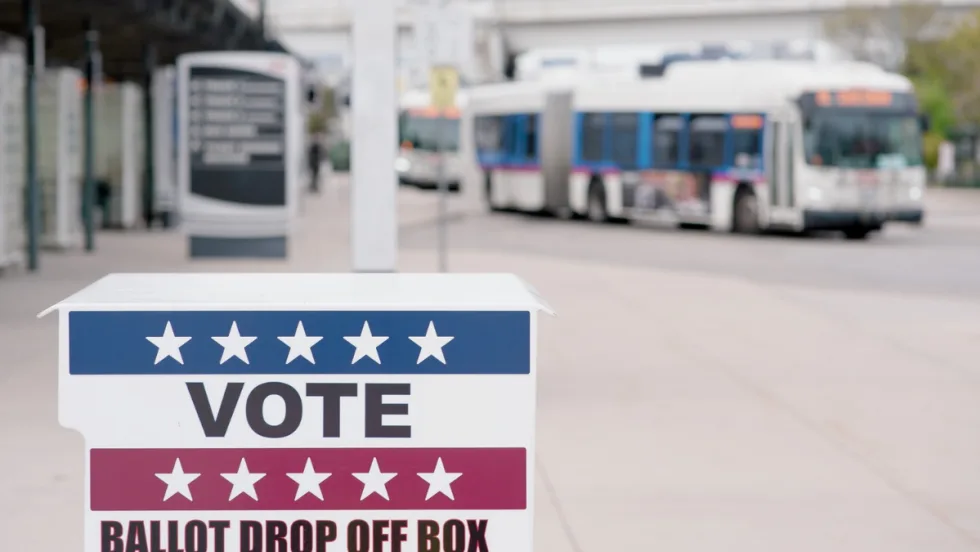
Read More →Transit agencies are using fare-free service, trip-planning tools, and targeted rides to improve voting access. See what other agencies can learn from these efforts.
Read More →The $137M contract includes the operation of 269 paratransit vehicles, as well as the management and operation of a centralized call center for reservations, scheduling and dispatch.
Read More →CTA launched crisis intervention teams as CATS prepares to deploy fare ambassadors, expanding customer assistance and security efforts across both systems.
Read More →The nine-day construction project included replacing aging track infrastructure and modernizing switch systems near Washington Union Station.
Read More →Will offer several service enhancements including an expanded Interactive Voice Response System scheduled for launch in July 2014, which will provide trip-planning information about riding the CTA, Metra and Pace, 24 hours a day.
Read More →The award marks the conclusion of a series of major procurements over 18 months, as outlined in ATP’s delivery plan, and keeps Austin Light Rail on track.
Read More →