
Metro Magazine

 MENU
MENU SEARCHMENUSEARCH
Loading data...

It is the early 2000s, and as the sun rises over Southern California, most people are still fast asleep. Kristian Mendoza, however, is up and getting ready for work. He doesn’t have to be in until eight, but his commute can sometimes take up to an hour-and-a-half each way. This job pays so little that he can barely afford the gas to commute to it, let alone provide the time and care he would like for his two young children.
Read More →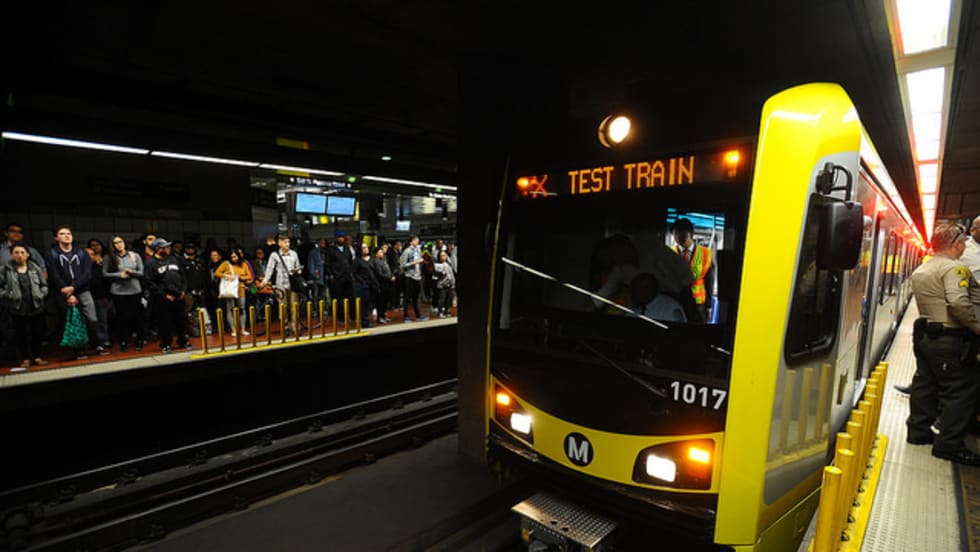


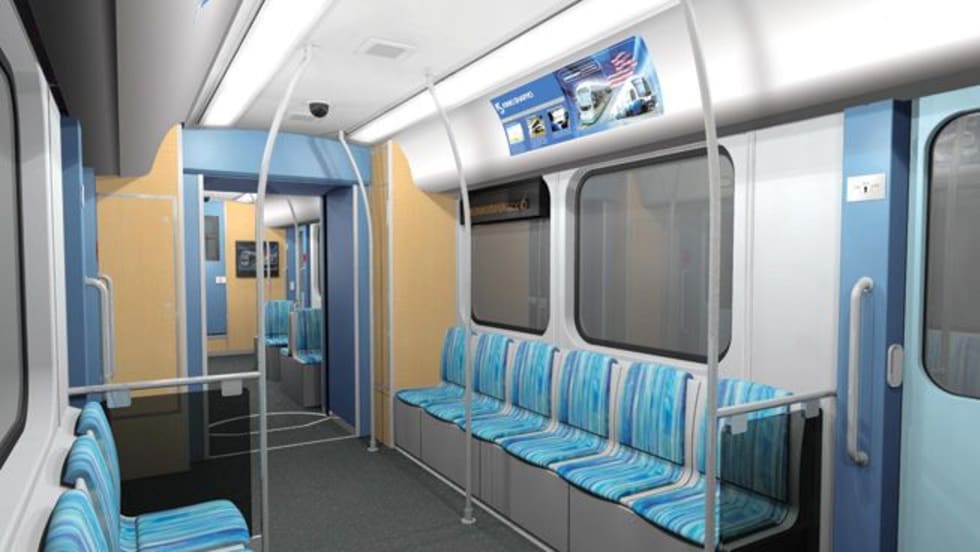
Currently, there are 38 Model P-3010 vehicles in service and the 50th car should be ready for revenue service by mid-December.
Read More →Billions of taxpayer dollars are spent buying buses and railcars every year. Although the national unemployment rate has declined since the Great Recession, for low-income families and communities of color, the unemployment rate remains in the double-digits and good, family-supporting jobs can’t come fast enough. We need strategies that revive U.S. manufacturing and other industries that can create the kind of jobs we want.
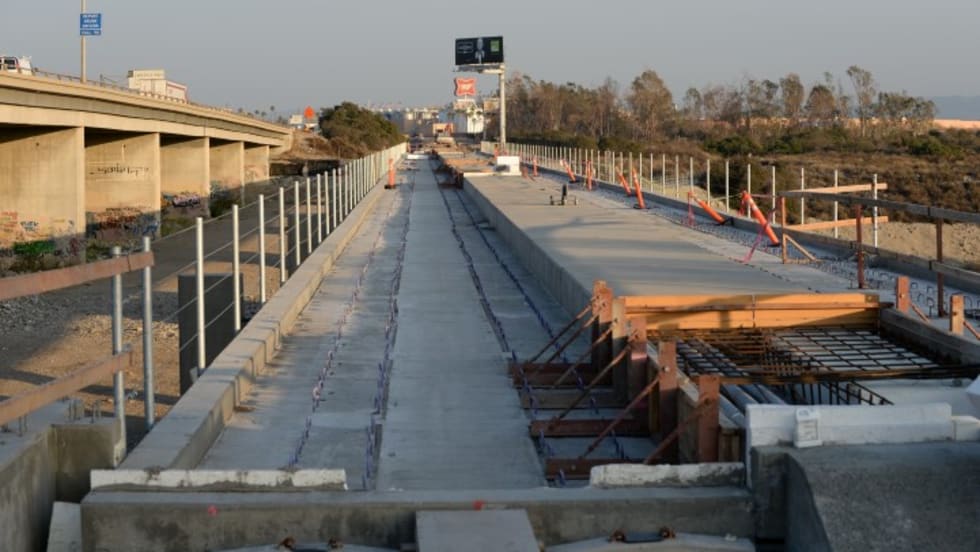
Read More →The rail extension was built by the Metro Gold Line Foothill Extension Construction Authority, an independent transportation planning and construction agency. The line took approximately five years to build, with major construction completed in September 2015.
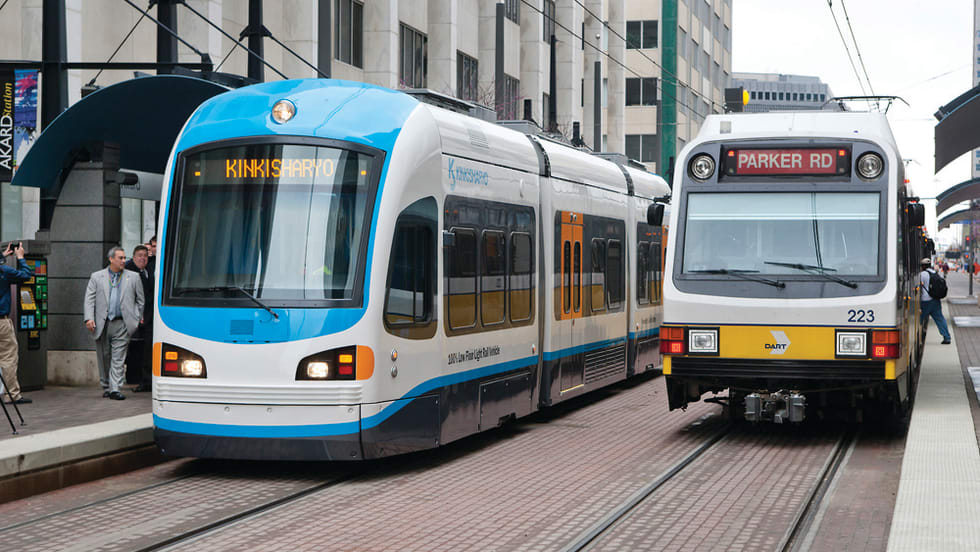
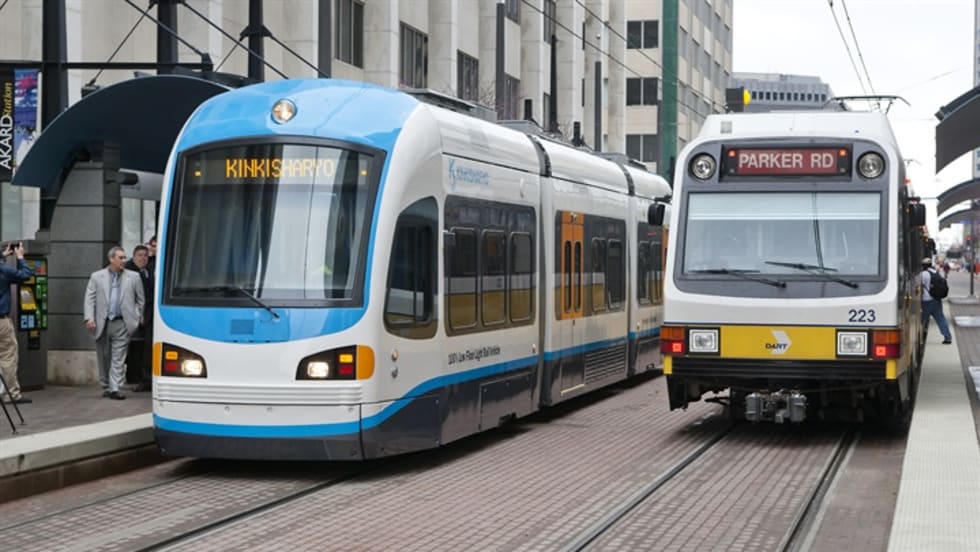
Read More →To address the need for increased capacity, NJ Transit partnered with Kinkisharyo International LLC and Twenty-First Century Rail Corp. to find an innovative, cost-effective solution that would not significantly impact the system’s infrastructure or require a costly investment in new railcars.
Read More →Expressed concern that the contract will send jobs to Japan. L.A. Metro officials said that the agency required the contract winner to create jobs in the U.S. and that all three bidders committed to doing final assembly of the cars in Los Angeles County.
Read More →Vehicle is a 100 percent low-floor streetcar powered by e-Brid, a propulsion technology that enables operation powered by overhead catenary or on-board lithium-ion batteries.
Read More →Vehicle is a 100 percent low-floor streetcar powered by e-Brid, a propulsion technology that enables operation powered by overhead catenary or on-board lithium-ion batteries.
Read More →The vehicle can travel up to five miles on a full charge, is 100 percent low floor and fully accessible.
Read More →Debuted a prototype of the ameriTRAM, a 100 percent low-floor streetcar in Charlotte on Thursday. Uses e-Brid, a propulsion technology that enables operation powered by overhead catenary or on-board lithium-ion batteries. The technology is purported to save millions of dollars in operational costs.
Read More →