
Metro Magazine

 MENU
MENU SEARCHMENUSEARCH
Loading data...
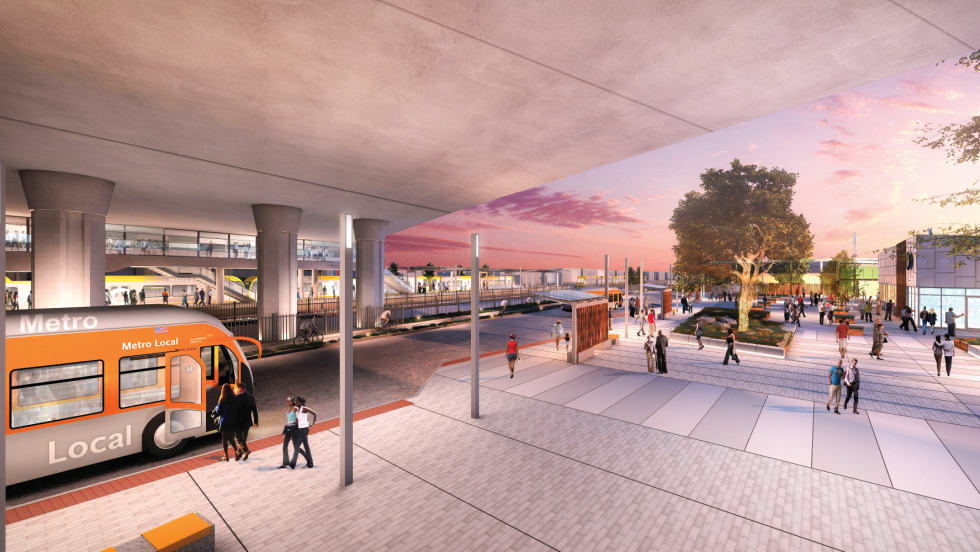
By paying attention to how it feels to arrive at, pass through, and use a transit facility, focused design strategies can complement traditional approaches by enhancing user perception of safety. While a station may be safe, according to statistics and incident reporting, ridership and patron satisfaction will still suffer if the station doesn’t feel safe.
Read More →
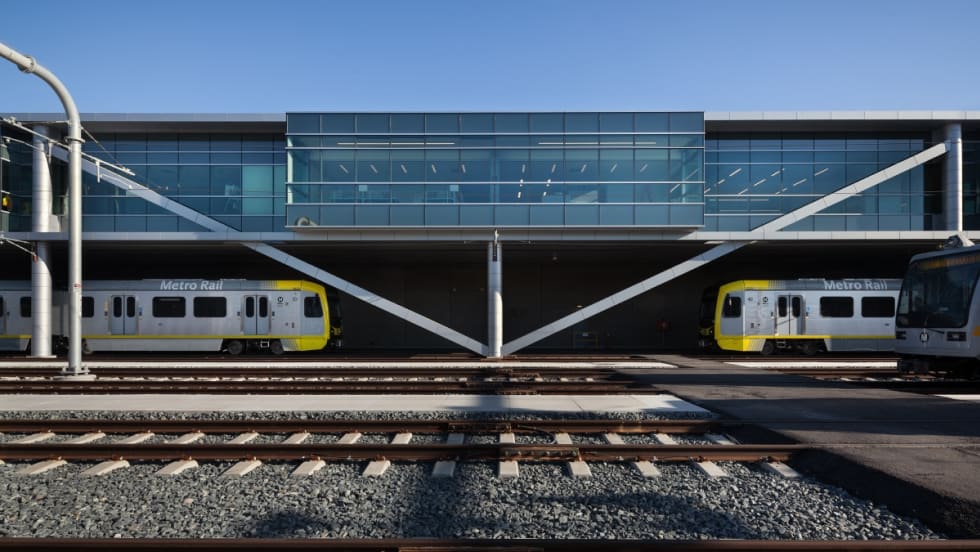
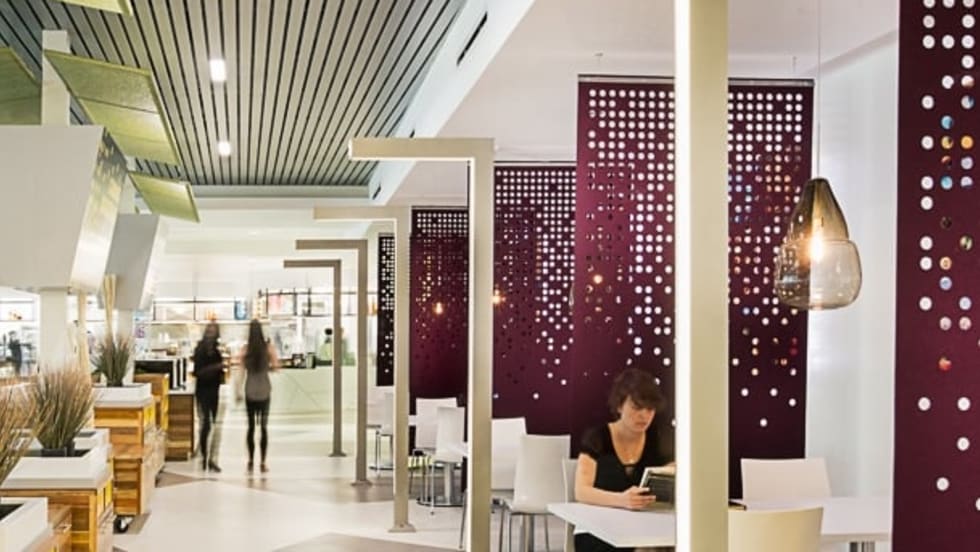
By incorporating simple biophilic principles into station and facility design, cities, and transit agencies can foster stronger connections to nature that improve our overall wellbeing as individuals and as a community.
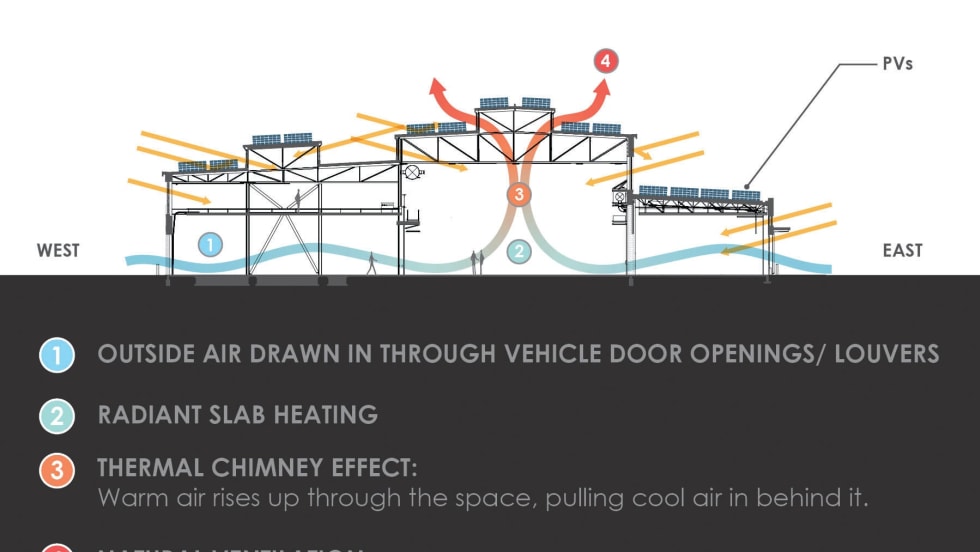
Read More →Establishing a function-first facility that then integrates passive design strategies can lead to more operationally and energy efficient transit facilities.
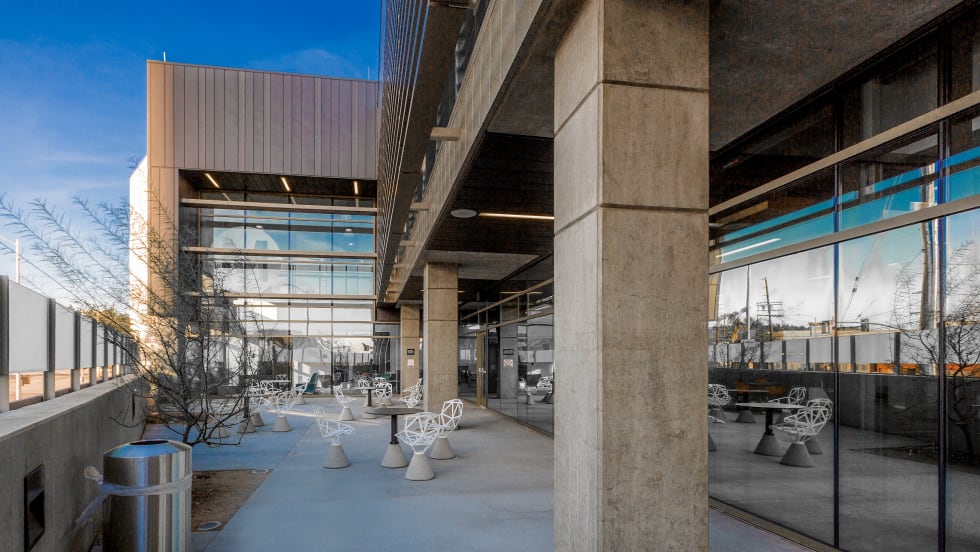
Read More →Large-scale projects in the RNL’s portfolio include the Research Support Facility at the National Renewable Energy Lab in Golden, Colo. — the first Net Zero Energy project of its kind.
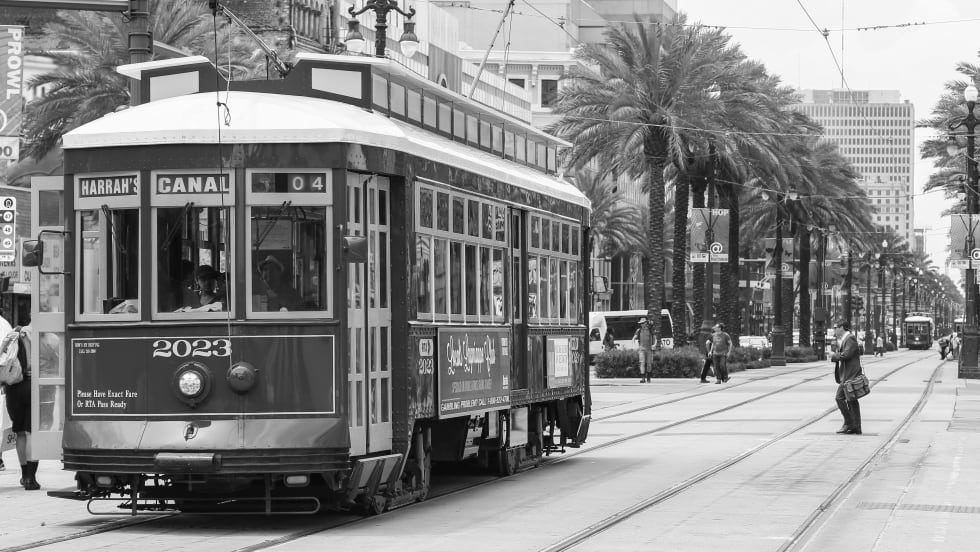
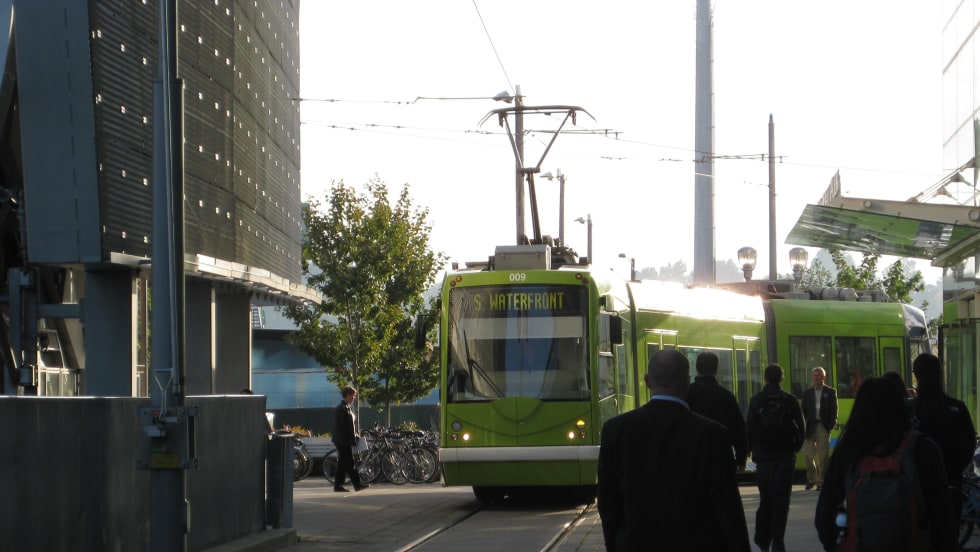
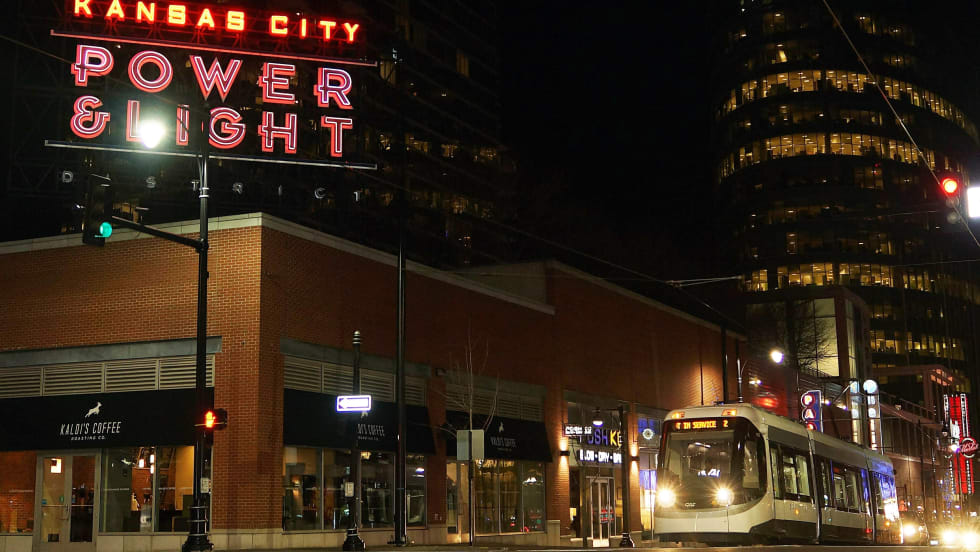
Read More →While streetcars may seem like an old fashioned or nostalgic mode of transportation, today’s streetcar is far from your grandmother’s trolley. The modern streetcar has evolved in major ways in response to shifts in community needs as well as technological advances.
Read More →Perhaps one of the most misunderstood elements of modern streetcars is what they can offer a city, and in particular, what they can offer that other modes of transportation can’t.
Read More →The streetcar might seem like a transit method of the past, but look at some of the major metropolitan areas in the U.S. — Portland, Seattle, Salt Lake City, Tucson, Atlanta, Dallas, Washington D.C. and Orange County — and it’s clear that cities are starting to embrace the streetcar once again. While it’s one cog in the wheel of a comprehensive transit system, streetcar systems can act as a boon for economic development, and a powerful tool for revitalizing sagging corridors and attracting the much-sought after talent of a young, hip workforce who choose to reduce, delay, or completely forego car ownership.
Read More →Everyone needs to take a mental and physical break at some point in the workday, whether they’ve been concentrating on a computer screen, the road, or the underside of a bus, truck or train car. The tricky part for transit agencies is that each of these activities takes place in different surroundings, lighting conditions, room temperature and noise levels. With that in mind, consider the following factors in your facility design.
Read More →Five major building components make up the facility: the main building, secondary building, wash building, the cleaning platform and the guardhouse.
Read More →Shifts are long and varying, and facilities are often inadequate for transit employees to truly recharge and stay sharp on the job. But it doesn’t have to be that way. The quality of the environment within facilities can be designed to support shift workers and those with jobs that don’t follow traditional 9-to-5 schedules. Two key elements that can be utilized to support vehicle operator health; creating spaces with adaptability for varied activities and quality lighting that supports the adaptability of the space.
Read More →