
Metro Magazine

 MENU
MENU SEARCHMENUSEARCH
Loading data...

As motorcoaches navigate increasingly congested urban corridors filled with pedestrians, cyclists, scooters, and distracted drivers, safety leaders across the industry are confronting a growing challenge: visibility.
Read More →
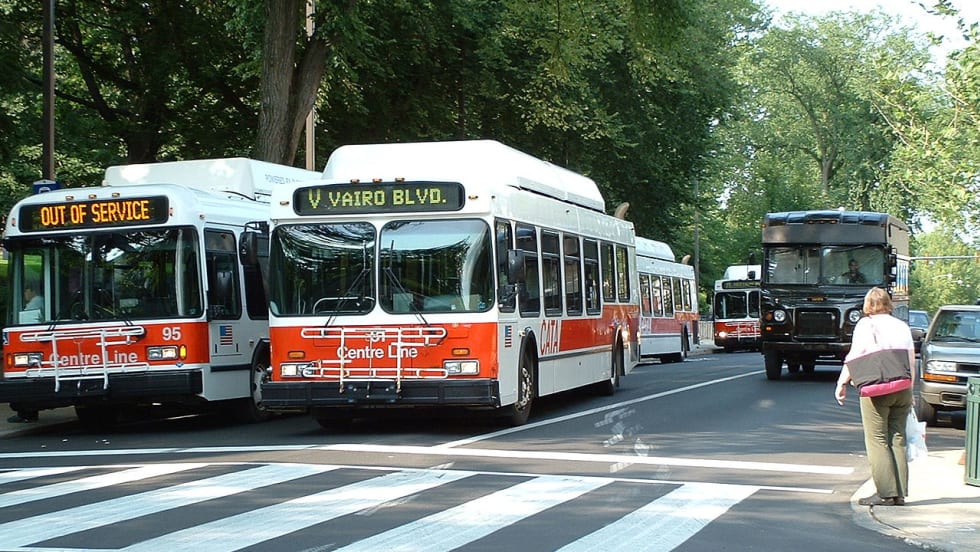
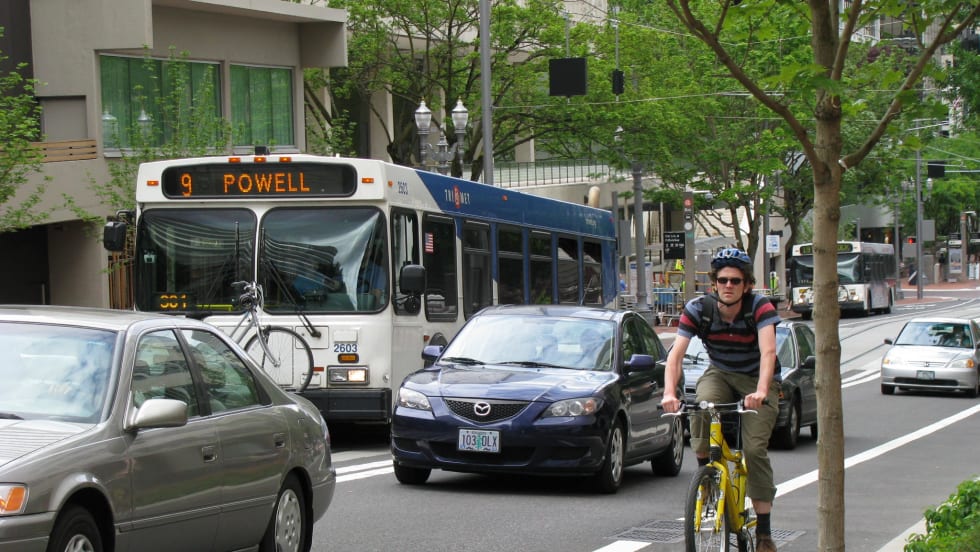
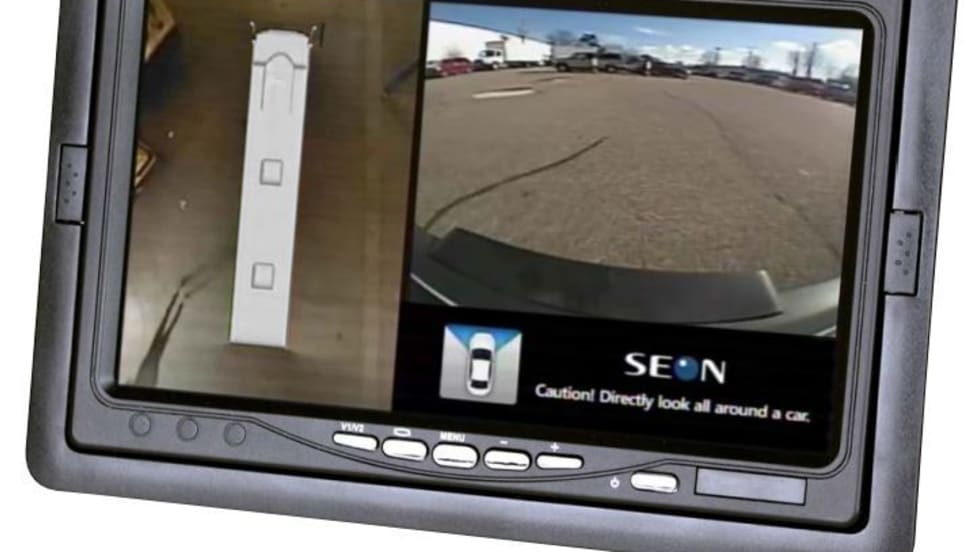

The $29.1 million system will be installed in 2,500 new and existing buses to provide operators with a 360-degree field of vision around the bus that will help to eliminate blind spots and enhance pedestrian safety.
Read More →FTA is looking for state-of-the-art safety solutions, including automated warning systems that help bus operators avoid collisions, detect obstructions in their path or vehicle design improvements to reduce bus operator blind spots.
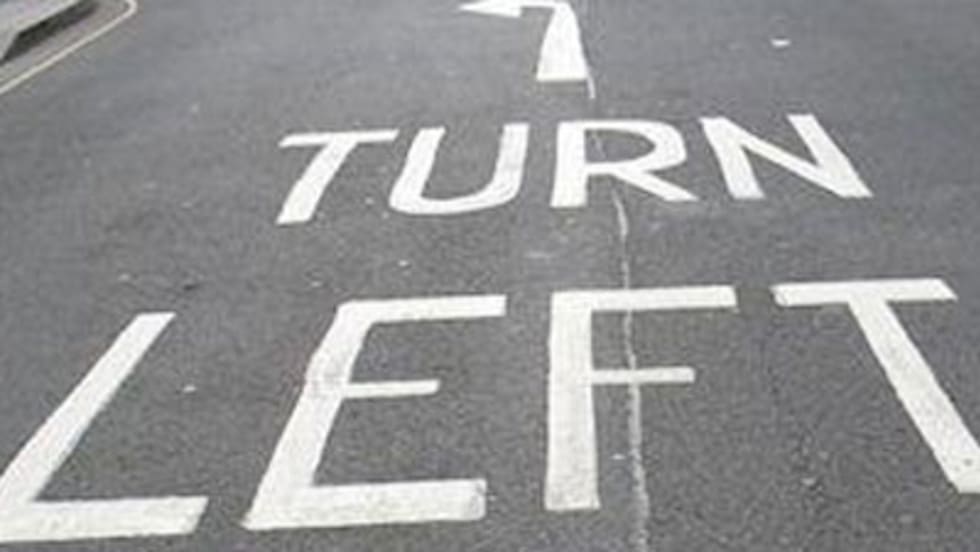
Read More →I have had it with the never-ending meeting of the minds on the predominant causes of left-turn bus-pedestrian collisions. This whole issue is getting obscured with presentations that slice and dice every possible cause of these incidents into a collection of symbols, numbers and formulas. Please stop.
Read More →The inView 360 Around Vehicle Monitoring (AVM) System eliminates dangerous vehicle blind spots that threaten student and pedestrian safety is now available for the school bus and transit fleet markets.
Read More →Bus operators are not blindfolded. Operators are trained and required to identify potential hazards, based on their forward planning skills. With regard to left turns, these so called “blind spots” are really areas behind the left A-pillar/mirror that are “temporarily” obstructed to the operator, not blind to the operator. The key here is for the operators to utilize their observation and forward planning skills to minimize the time that their vision is temporarily obstructed. The pedestrian that regrettably becomes a victim of bus contact should be in the clear view of the operator long before arriving at the location where the contact occurred. Pedestrians are not “coming out of nowhere!"
Read More →The world is a very busy place. We rely on our eyes to provide us with information that will keep us from harm as we operate our vehicles. It is difficult to over-emphasize the importance of effective scanning in order to recognize potential hazards early enough so appropriate action can be taken to avoid conflict. As a result, we spend a lot of time advising operators how often they should scan their mirrors, where to look for hazards, and how to bring objects into view that may be temporarily obstructed, and so on.
Read More →