
Metro Magazine

 MENU
MENU SEARCHMENUSEARCH
Loading data...
NYMTC’s quarterly Travel Patterns Report provides a snapshot of travel activity throughout New York City, Long Island, the Lower Hudson Valley, and northern New Jersey using data collected from the agencies operating the region’s bridges, tunnels, and public transit systems.
Read More →


In this edition of METROspectives, the co-author of New Tricks for Old Bureaucracies, discusses lessons from launching LA Metro’s Office of Extraordinary Innovation, the challenges of advancing new mobility technologies, and much more.
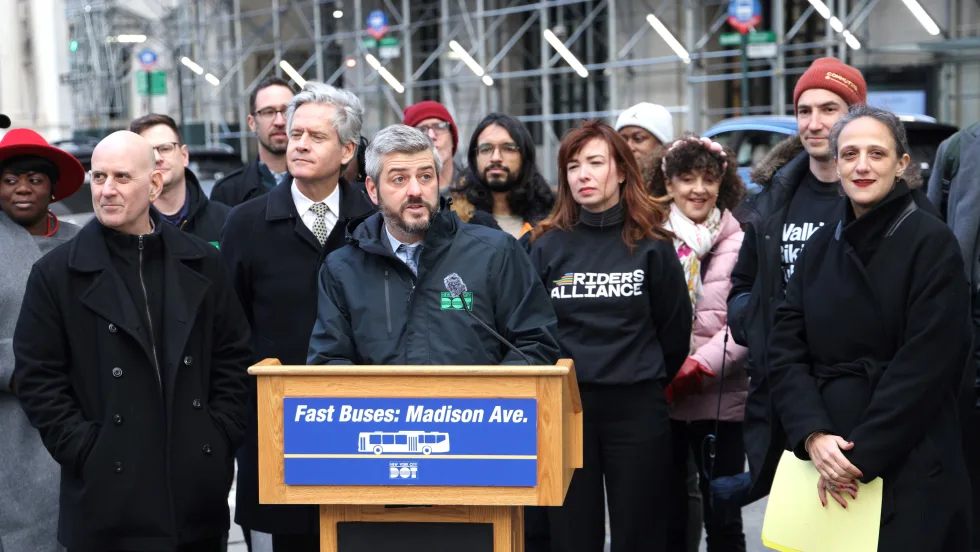
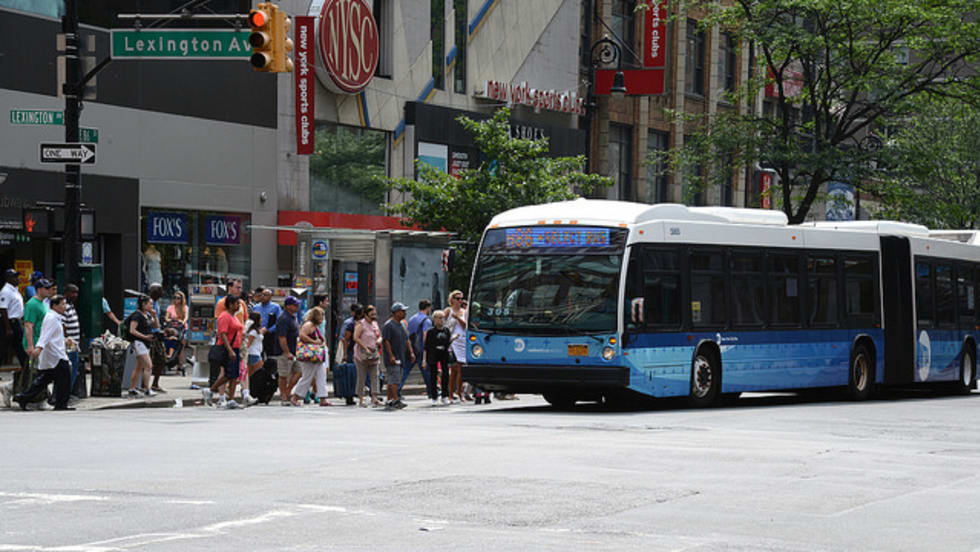
Read More →Once complete, the project will improve speed and reliability for the 92,000 daily riders who rely on local and express buses along the corridor, serving commuters from all five boroughs.
Read More →The dashboard allows users to monitor progress and see what is being built or replaced, where it is happening, the budget, how much has been spent, and when it will be completed.
Read More →Simply incentivizing electrification is not enough to make a meaningful impact; we must shift our focus toward prioritizing public transportation and infrastructure.
Read More →August saw nearly 2.7 million fewer vehicles than baseline enter the congestion relief zone, a 14% reduction. August was level with June for the most significant vehicle reduction seen so far in 2025.
Read More →Activated Jan. 5, the nation’s first urban congestion pricing program reduces gridlock in Manhattan’s Congestion Relief Zone below 60th Street by charging motorists to enter the zone.
Read More →The latest Mineta Transportation Institute perspective, “Using Toll Revenues for Transit: It Can and Should Be Done,” explores the policy rationale and legal framework for using toll revenues to fund public transit operations in the U.S.
Read More →The Secretary is pressuring New York Gov. Kathy Hochul to stop the recently implemented congestion pricing, claiming the toll disproportionally hurts working-class drivers.
Read More →New York City's groundbreaking congestion pricing experiment has sent ripples through the urban planning and transportation sectors, offering valuable insights for transit agency leaders across the nation.
Read More →