



New York MTA Launches New Capital Program Dashboard
The dashboard allows users to monitor progress and see what is being built or replaced, where it is happening, the budget, how much has been spent, and when it will be completed.

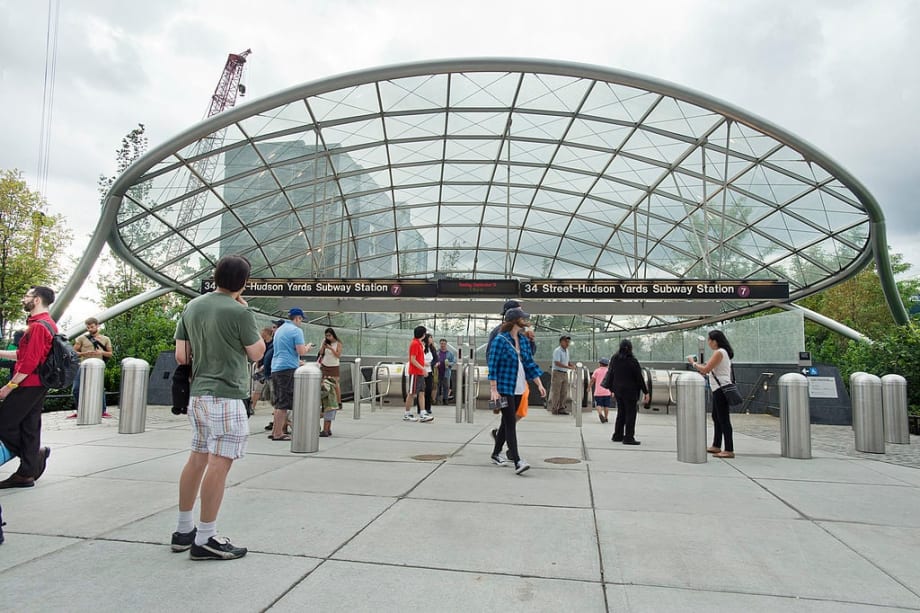
First introduced in 2010, the Dashboard has been redeveloped with modern web technologies to reflect better how the MTA is rebuilding and modernizing the transit system.
Photo: Patrick Cashin
The New York Metropolitan Transportation Authority (MTA) Construction & Development (C&D) launched a beta version of the redesigned Capital Program Dashboard, offering the public an easier and more precise way to track construction projects across the entire transit system — New York City Transit, Long Island Rail Road, Metro-North Railroad, and Bridges and Tunnels.
The dashboard allows users to monitor progress and see what is being built or replaced, where it is happening, the budget, how much has been spent, and when it will be completed.
“We are showing our work like no other government agency out there — a testament to the new MTA’s commitment to transparency,” said MTA Chair/CEO Janno Lieber. "With a Capital Plan that prioritizes critical but sometimes hard-to-see infrastructure repairs, it is important that this dashboard highlight the massive number and scale of projects underway across the system.”
MTA’s Dashboard
First introduced in 2010, the Dashboard has been redeveloped with modern web technologies to reflect better how the MTA is rebuilding and modernizing the transit system — and how the Authority is using smart, innovative construction methods.
With improved navigation, search fields, and filtering tools, the new dashboard empowers the public to better understand and engage with information about the hundreds of transit construction projects throughout the New York region, including whether the Congestion Relief Zone tolling program funds them, according to the MTA.
The dashboard currently includes all accessibility projects active in construction, projects in the procurement pipeline, and candidate locations for projects in the 2025-2029 Capital Plan. Additional projects and information will be added as C&D continues to refine features and functionality.
Key Upgrades
Key upgrades to the dashboard include:
A new “Transit Service” view. This simplifies finding a project by grouping infrastructure projects by the transit routes they affect, and a redesigned map that clearly shows where work is happening across the system. Users can click on a specific line to see the multiple projects that are completed, underway, and planned across the entire route — ranging from accessibility upgrades, Communications-Based Train Control (CBTC) installation, state-of-good-repair work, and other station upgrades.
A new “Initiatives” view. This allows users to see projects categorized by major priorities such as “Accessibility” or “Resilience.” This also includes an initiative around Congestion Relief to allow users to see which projects have been enabled by the Central Business District Tolling Program.
Real-world projects focused. The updated dashboard shifts the focus from using internal budget codes as the primary reporting structure to a structure that makes more sense to the public — project bundles that better reflect how we actually coordinate construction tasks, contracts, and execute projects.
More Management

METRO Opens Submissions for 2026 Motorcoach Awards
Nominations are now being accepted for METRO Magazine’s Operator of the Year and Innovative Operator of the Year awards.
Read More →
New York MTA Advances Final Contract for Second Avenue Subway Expansion
Contract Four is the largest in the Second Avenue Subway Phase 2 project and includes construction of station infrastructure, tracks, and signals for the subway expansion, MTA officials said. Work on Contract Four will begin in 2027.
Read More →
Transit Agencies Highlight Safety Gains at National Summit
Leaders from 15 major transit systems shared crime-reduction results and safety initiatives while discussing the role of continued federal support.
Read More →

NITA Names New Leadership, Expands Reduced-Fare Program at First Board Meeting
The new regional transit authority appointed its first board chair and interim executive director while extending reduced fares across CTA, Metra, and Pace for eligible riders.
Read More →
Beyond the Checklist: A Structured Approach to Transit Maintenance
Reliability-Centered Maintenance helps transit agencies move beyond routine checklists to focus limited resources on the assets and failures that have the greatest impact on safety, reliability, and service.
Read More →
APTA 2026 Nominating Committee Selects Leadership Slate, Names Chair and Vice Chair Nominees
Leadership changes will help shape the association’s priorities and its representation of the transportation industry during the 2026–2027 term.
Read More →
DART Launches Major Security, Fare Enforcement Initiative
The 90-day demonstration will deploy coordinated security teams at five light rail stations while testing controlled access and gathering data to guide future investments.
Read More →
Advancing Fare Collection Through Technology and Innovation
Learn about delivering 1300 gates at 91 stations while managing fare evasion. Explore the large scale deployment, solution customization and real-world results that affect the region. Prepare for deployment in your region now.
Read More →
Game Day in Motion: Moving Millions During the 2026 World Cup
Between packed transit stations and team motorcoaches, see how agencies and operators across North America tackled the transportation demands of the 2026 FIFA World Cup.
Read More →
Surface Transportation Extension Averts Shutdown, Leaves Transit Funding Gap
The stopgap keeps federal transportation programs moving, but missing advance funding could complicate the transit and rail projects agencies are planning next.
Read More →