



St. Louis Metro extends partnership with safety app, Noonlight
With the solution, any Metro passenger who feels uncomfortable or at risk can open the app and hold their thumb on the safe button.

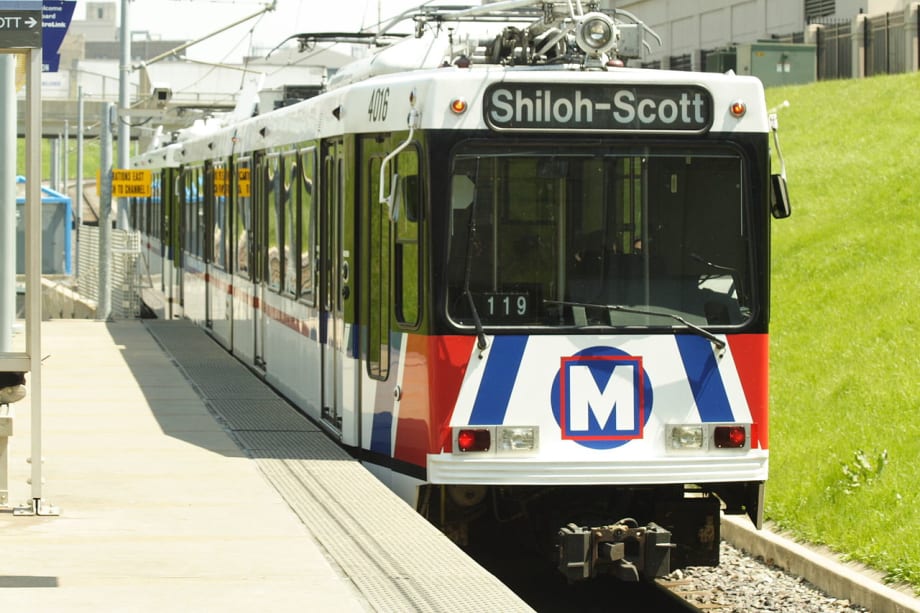
Noonlight dispatchers provide assistance from the moment an alert is triggered until police officers arrive.
DPP_0020
Noonlight dispatchers provide assistance from the moment an alert is triggered until police officers arrive.
DPP_0020
St. Louis’ Metro Transit extended its partnership with Noonlight, and current users can continue to use the safety app for free, while new users are able to sign up for a free version.
Noonlight is a connected safety platform and mobile app for iOS and Android devices designed to help transit riders feel more comfortable when they are on Metro Transit or anywhere else in the St. Louis region by allowing them to get help with just a touch of a button. The app works anywhere in the bi-state region as well as throughout the U.S.
With Noonlight, any Metro passenger who feels uncomfortable or at risk can open the Noonlight app on their mobile device and hold their thumb on the safe button. Once any danger passes, they can release the button and enter their personal four-digit pin number. If help is needed, they can release the button without entering the pin, and Noonlight gives local police the user’s name, emergency information, and current location. Noonlight dispatchers provide assistance from the moment an alert is triggered until police officers arrive. If users cannot or do not want to talk to the dispatchers, they can text or remain silent, and emergency help will be dispatched.
The latest version of Noonlight includes an automatic crash detection and response program. The app is now able to detect changes in the user’s location, motion, and force, and if the app detects a sudden change, it will alert 911. The app has the capability to detect crashes on a bus or train, car, or other vehicle; on a bicycle; or even on an electric scooter. The app also can connect to Google Home, Alexa, Nest, and various other smart devices, which upon sensing danger, will trigger Noonlight to call for help on a person’s behalf. As an example, Noonlight can notify authorities if there is heavy smoke or carbon monoxide present when connected with Nest. The app can also connect with Facebook, Wyze Cam, and other programs with If This, Then That — also known as IFTTT.
“Over the last year, we have had more than 8,400 transit riders take advantage of this valuable safety tool, and we are excited to continue to offer it at no charge for all of our riders,” said Taulby Roach, president/CEO of Bi-State Development.
More Security and Safety
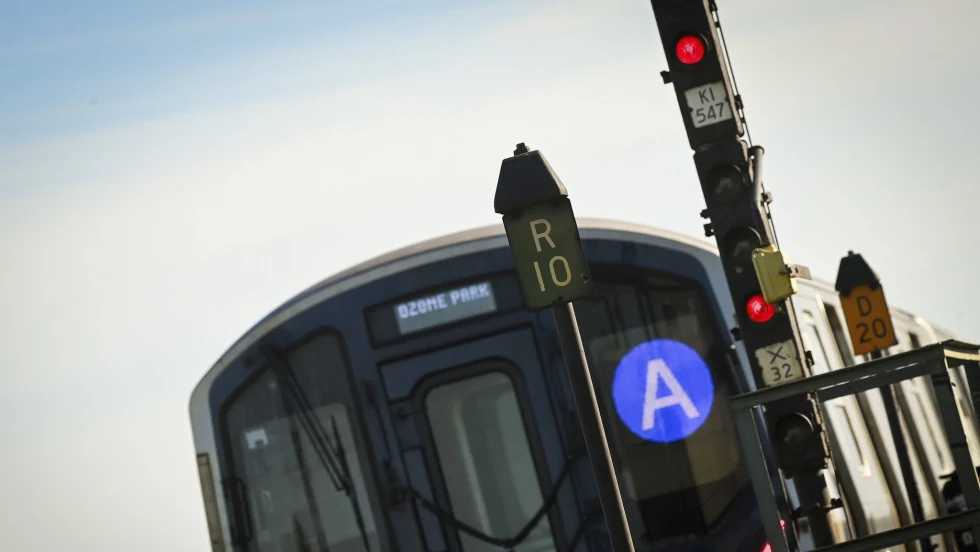
New York MTA Launches Historic $1.9B Signal, Track Modernization Project
Funded in part by congestion pricing revenue, the project will replace nearly century-old signals along the A and C lines in Brooklyn and Queens.
Read More →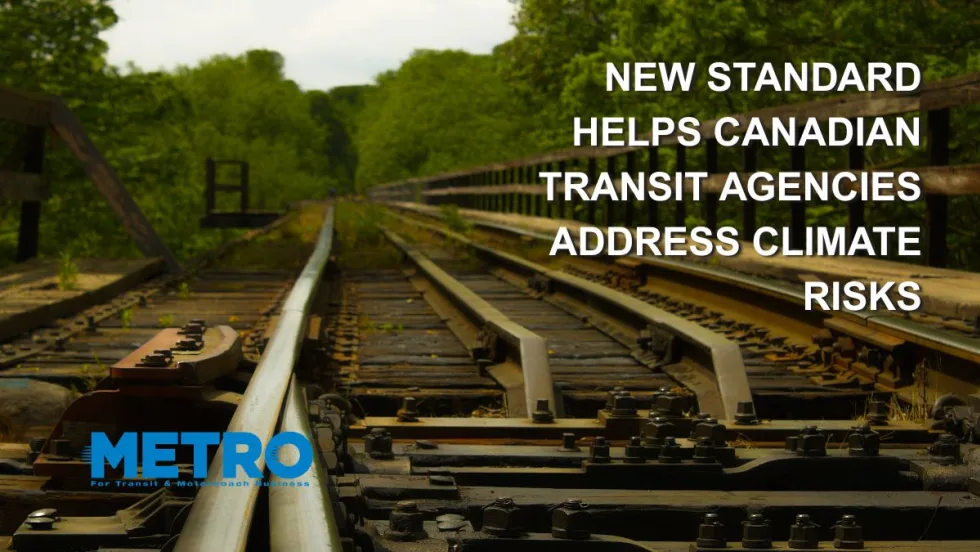
CSA Group Releases Climate Resilience Standard for Transit, Passenger Rail
Developed with support from the Standards Council of Canada, CSA D700 guides assessing climate-related risks and planning adaptation measures for transit and passenger rail systems.
Read More →
San Diego MTS Approves New Fare Evasion Penalty Program
The new administrative process will move eligible violations out of the criminal court system, cap penalties at $125, and provide flexible payment options for riders.
Read More →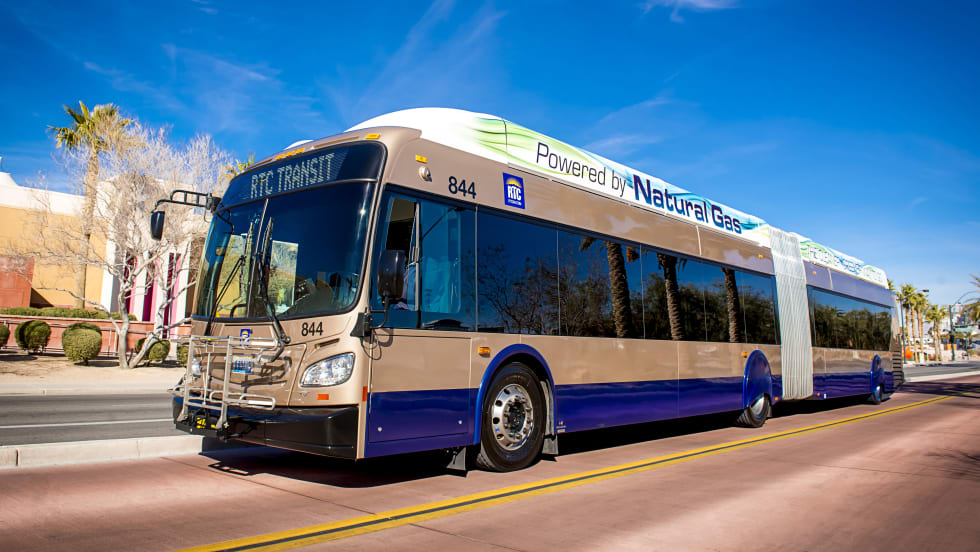
RTC of Southern Nevada Reports 29% Drop in Transit Operator Assaults
The agency credits expanded security measures, employee training, and technology investments for improvements in transit safety, while security officers have responded to 19 suspected overdoses since July.
Read More →
Public Transit Conference Returning to GFX in 2027, Call for Papers Now Open
The Call for Papers is now open, allowing transit agency professionals and industry experts to help shape the PTC educational program by submitting session ideas for consideration.
Read More →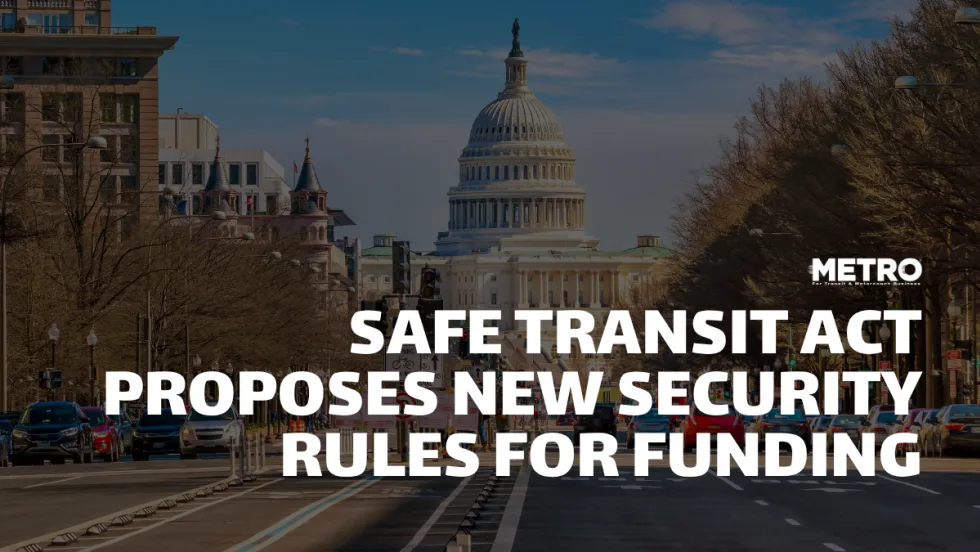
Safe Transit Act Proposes New Security Requirements for Federal Transit Funding
Proposed legislation would link federal transit dollars to safety measures while requiring security investments, onboard cameras, and new fare collection standards.
Read More →
FTA Ends Direct Oversight of MBTA Safety Actions
The federal agency closed its remaining special directive to the Massachusetts Department of Public Utilities following a safety review that began in 2022.
Read More →
Transit Agencies Highlight Safety Gains at National Summit
Leaders from 15 major transit systems shared crime-reduction results and safety initiatives while discussing the role of continued federal support.
Read More →
DART Launches Major Security, Fare Enforcement Initiative
The 90-day demonstration will deploy coordinated security teams at five light rail stations while testing controlled access and gathering data to guide future investments.
Read More →
RTD Launches NextRide App to Consolidate Trip Planning, Fares, Security Reporting
The app expands on RTD’s existing NextRide web application and allows customers to view real-time vehicle locations and service alerts, purchase and store digital fares, and access customer support.
Read More →