



Disaster Readiness Starts Before the Storm [Call for Experts]
The 2026 Disaster Response Guide is officially underway, and we’re now opening a Call for Insights and Experts.

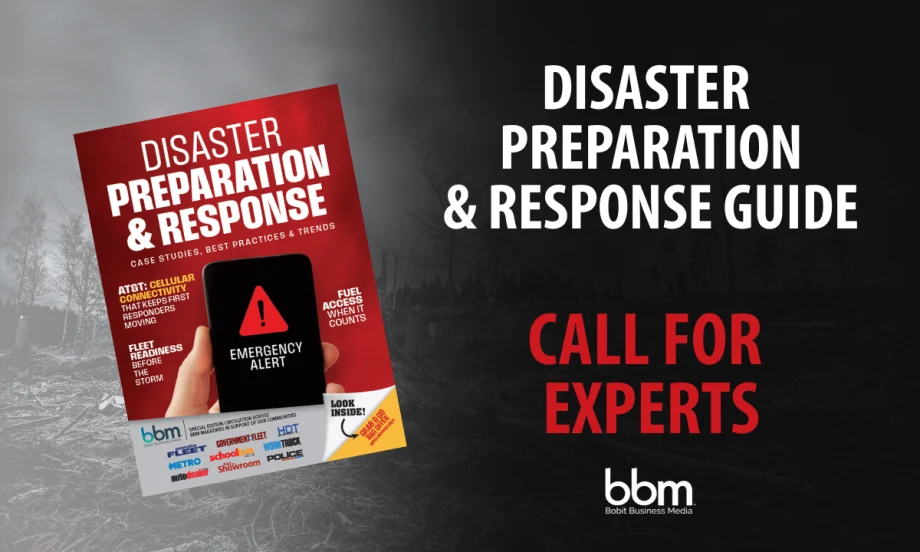
If you have expertise to share, we’d love to hear from you. Submissions will help shape our 2026 coverage, and we’ll be reaching out to select experts once the call closes.
Bobit Business Media
If you work with vehicles in any capacity, you already know the truth: disasters don’t wait for your schedule.
Wildfires. Flooding. Hurricanes. Winter storms. Extreme heat. Tornadoes. Smoke conditions that shut down operations. Even widespread outages that take communication, fuel access, and supply chains offline.
Whether you’re managing a fleet, running a dealership, operating a small business with service vehicles, supporting public sector transportation, or keeping equipment and customers moving, disaster readiness has become part of the job.
That’s why the 2026 Disaster Response Guide is officially underway, and we’re now opening a Call for Insights and Experts.
The Disaster Response Guide is an annual resource for fleet, trucking, transportation, public-sector, and vehicle-based business leaders who need real-world guidance on preparing, responding to, and recovering from disasters. It focuses on practical strategies, lessons learned, and tools that help teams stay operational and make smart decisions under pressure.
“This guide is built for the real-world grit of people who keep vehicles moving for work,” said Lauren Fletcher, VP of Content at Bobit Business Media. “It’s not just about having a plan. It’s about knowing what actually works when things go sideways, and sharing that knowledge so others can respond faster and recover stronger.”
Share Your Expertise for the 2026 Guide
We’re looking for insight from people across the vehicle ecosystem, including:
- fleet and transportation leaders
- dealerships and service teams
- small businesses and contractors
- OEMs, upfitters, and maintenance providers
- utilities, infrastructure, public sector, and emergency response
- insurance, risk, technology, and connectivity experts
You can contribute by:
- participating as an expert interview source
- writing an educational article or case study
- sharing a quote or quick insight
- providing data or research we can cite
What Topics Are We Looking for This Year?
We’re interested in insights and lessons learned related to:
- emergency planning and preparedness
- business continuity and operational resilience
- vehicle staging, relocation, and asset protection
- communication planning and backup systems
- fuel and energy readiness
- EV preparedness and charging continuity
- safety and training for drivers and teams
- insurance, risk mitigation, and recovery planning
- technology, telematics, and data readiness
- supply chain disruptions and maintenance planning
- real-world disaster response experiences and takeaways
- and other trends that YOU see happening
Ready to Contribute?
If you have expertise to share, we’d love to hear from you. Submissions will help shape our 2026 coverage, and we’ll be reaching out to select experts once the call closes.
Submit your insights using our Call for Experts form here:
https://forms.office.com/r/nNFy0e7qZq
To explore the 2025 Disaster Response guide and downloadable resources, visit www.disasterresponseguide.com.
Originally posted on School Bus Fleet
More Security and Safety

Transit Agencies Highlight Safety Gains at National Summit
Leaders from 15 major transit systems shared crime-reduction results and safety initiatives while discussing the role of continued federal support.
Read More →
DART Launches Major Security, Fare Enforcement Initiative
The 90-day demonstration will deploy coordinated security teams at five light rail stations while testing controlled access and gathering data to guide future investments.
Read More →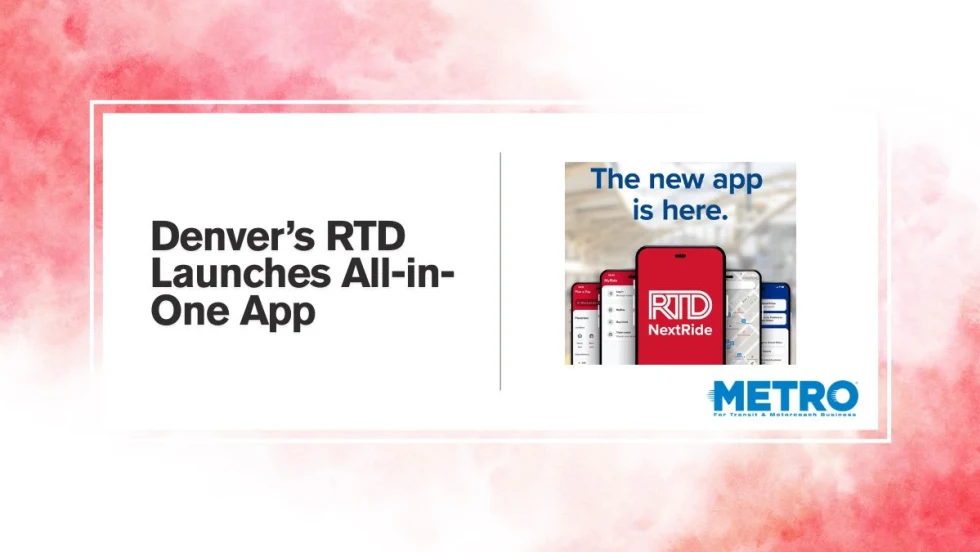
RTD Launches NextRide App to Consolidate Trip Planning, Fares, Security Reporting
The app expands on RTD’s existing NextRide web application and allows customers to view real-time vehicle locations and service alerts, purchase and store digital fares, and access customer support.
Read More →
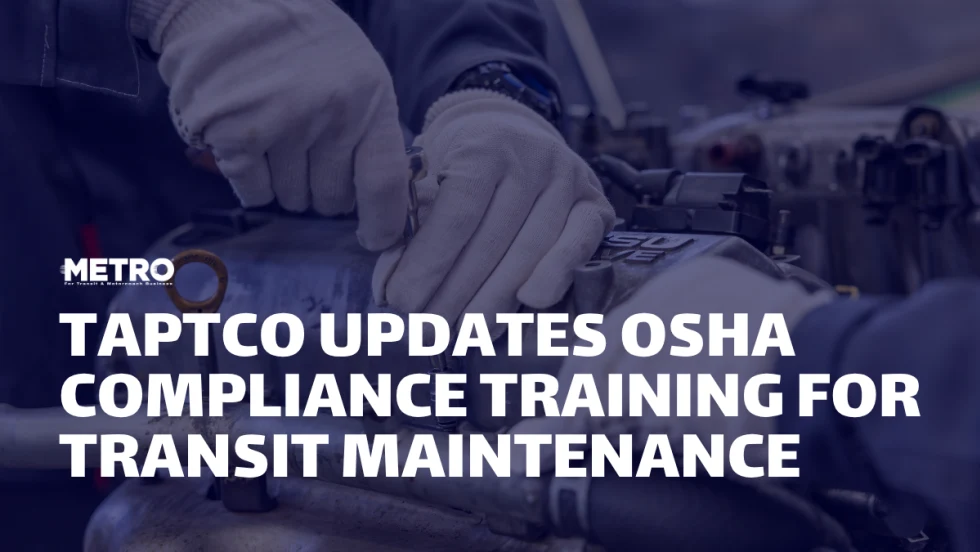
TAPTCO Updates OSHA Compliance Training for Transit Maintenance Operations
The revamped program addresses 26 OSHA standards for maintenance facilities, with TAPTCO pointing to training, documentation, and everyday shop hazards as continuing challenges for transit operations.
Read More →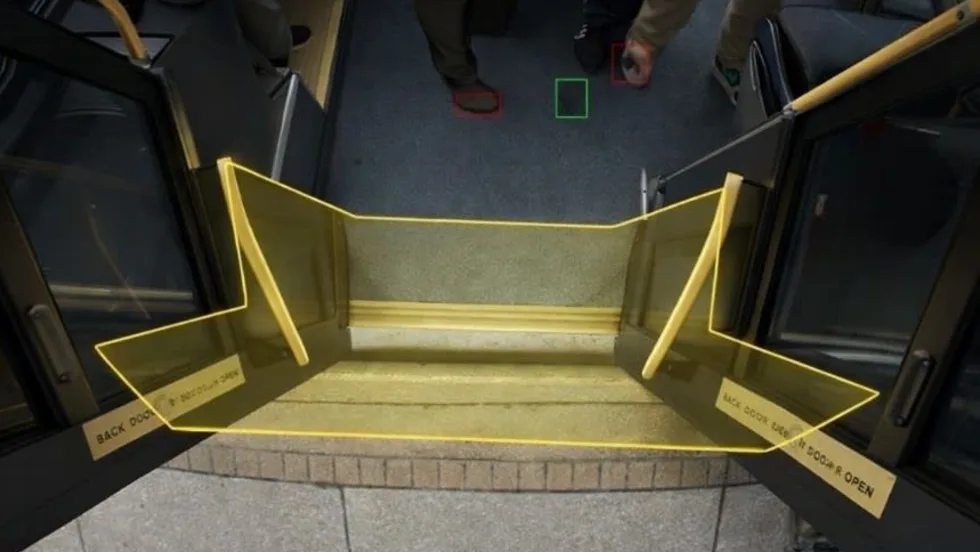
How VaporVision Adds Value to Transit Door Systems
Wabtec engineers explain how the system improves doorway detection, strengthens diagnostics and gives transit agencies and OEMs greater operating flexibility.
Read More →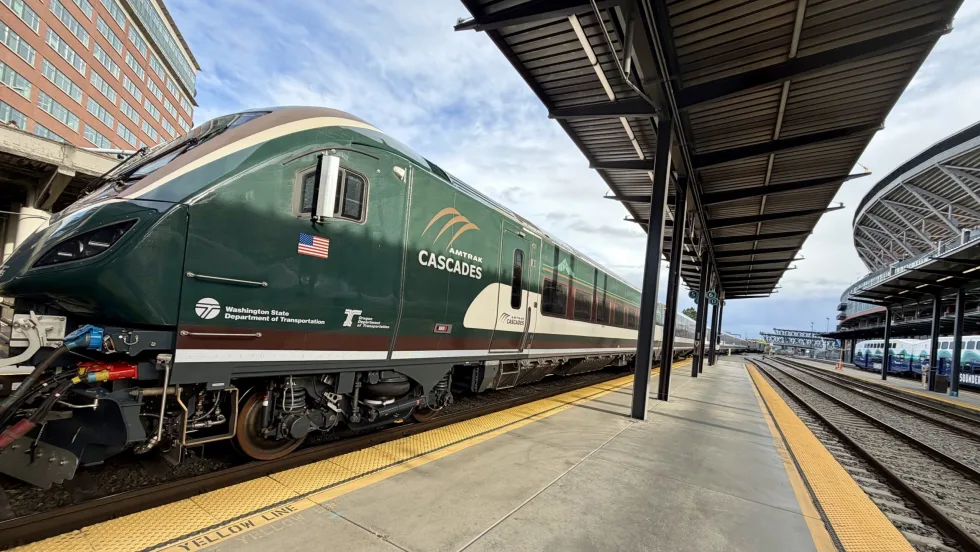
FRA Announces $5.3B in Rail Investments, Including $2B for Amtrak
Funding will support grade-crossing improvements, infrastructure upgrades, and new Amtrak equipment in 23 states.
Read More →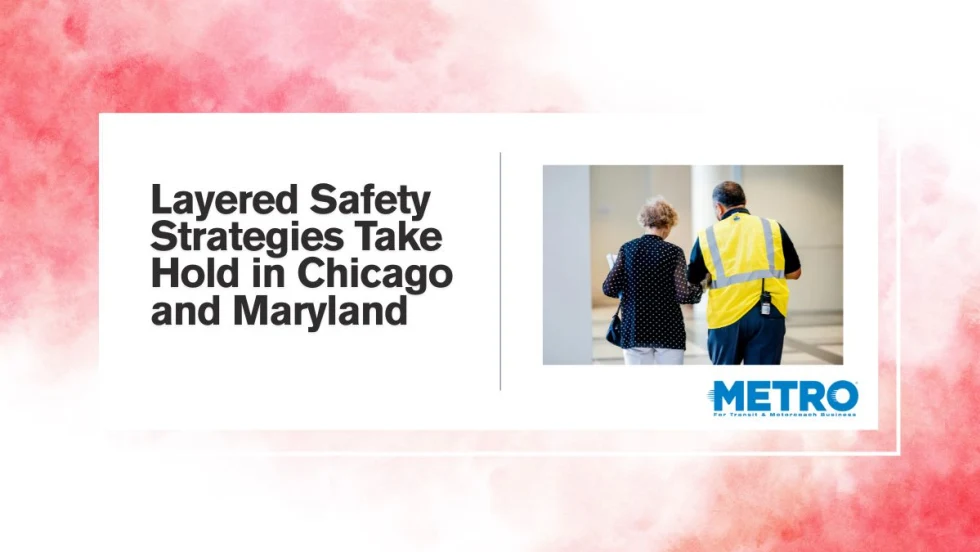
Chicago, Maryland Expand Non-Law-Enforcement Safety, Rider Support
The CTA and MTA are launching new programs aimed at de-escalation, crisis response, rider assistance, and greater transparency.
Read More →
LA Metro, City of West Hollywood, and Partners Advance Smarter Bus Lane Enforcement
The award-winning partnership combines AI-powered detection with human oversight to improve bus reliability, accessibility, and enforcement efficiency.
Read More →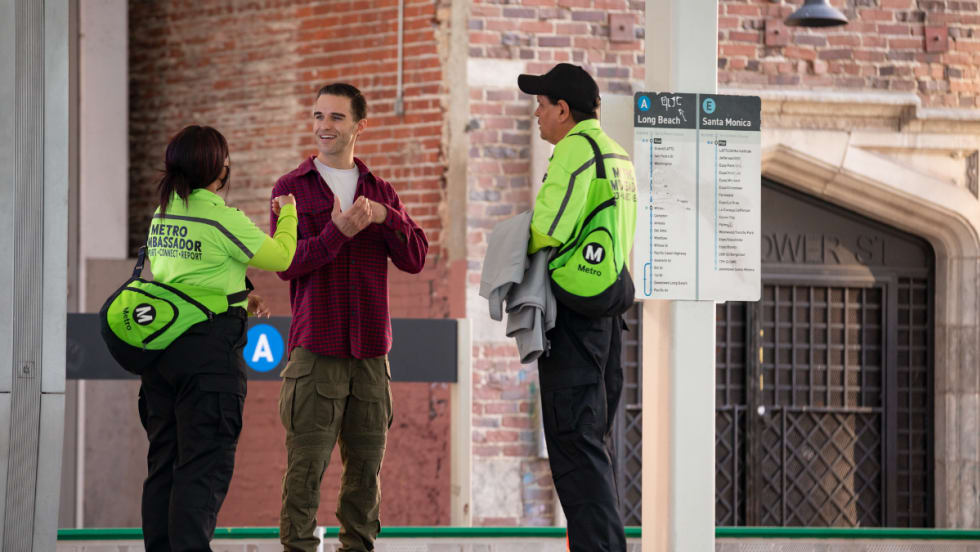
LA Metro Reports 57% Decline in Homelessness on Transit System Since 2024
The agency's latest homelessness count offers new data on how care-based services and cross-sector partnerships can complement traditional transit security strategies.
Read More →
FTA Launches 'Transit Moves America' Dashboard to Highlight Agency Safety and Performance
The online dashboard transforms National Transit Database information into a public-facing resource that allows users to compare transit agencies on key operational and safety metrics.
Read More →