



FRA launches web portal for public to report blocked railroad crossings
The agency expects it will take an average of three minutes for users to complete the report.

The Federal Railroad Administration (FRA) established a new, dedicated webpage for the public and law enforcement to report blocked highway-rail grade crossings.
Blocked crossings occur when stopped trains impede the flow of motor vehicle or pedestrian traffic at railroad tracks for extended periods of time. Communities have long dealt with the issue of blocked crossings, and FRA is now seeking broad public input to better understand the scope of the problem and engage with affected parties to identify potential solutions.
“FRA expects that collecting this data will help us identify where chronic problems exist and better assess the underlying causes and overall impacts of blocked crossings — locally, regionally and nationwide,” said FRA Administrator Ronald L. Batory.
Blocked crossings pose potential safety risks, specifically in locations where trains routinely hinder roadway and pedestrian movement for extended periods. Frustrated drivers may attempt to clear the crossing before a train arrives. Likewise, pedestrians may be tempted to crawl between stopped railcars. Further, blocked crossings make people late for work, school and appointments, and contribute to roadway congestion.
The new FRA Blocked Crossing webpage, www.fra.dot.gov/blockedcrossings, requests specific information from users reporting blocked crossings — including date, time, location and duration. The agency expects it will take an average of three minutes for users to complete the report. FRA notes that this should only be done in a manner that is consistent with the safe operation of a vehicle.
“Our ability to address this issue is only as effective as the data we collect,” Batory added. “Therefore, we are hoping to engage citizens and all levels of government to help spread the word about this important tool.”
FRA will use the information collected to gain a more complete picture of where, when, and for how long such obstructions occur at the nation’s approximately 130,000 public grade crossings, and what impacts result from this. FRA will share the information with stakeholders, using it to help facilitate local solutions to blocked crossing issues.
More Security and Safety
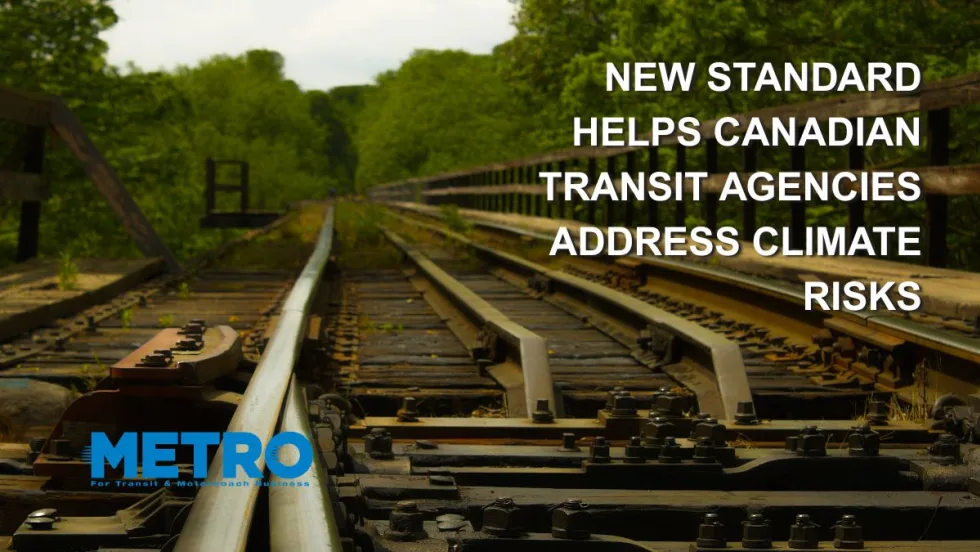
CSA Group Releases Climate Resilience Standard for Transit, Passenger Rail
Developed with support from the Standards Council of Canada, CSA D700 guides assessing climate-related risks and planning adaptation measures for transit and passenger rail systems.
Read More →
San Diego MTS Approves New Fare Evasion Penalty Program
The new administrative process will move eligible violations out of the criminal court system, cap penalties at $125, and provide flexible payment options for riders.
Read More →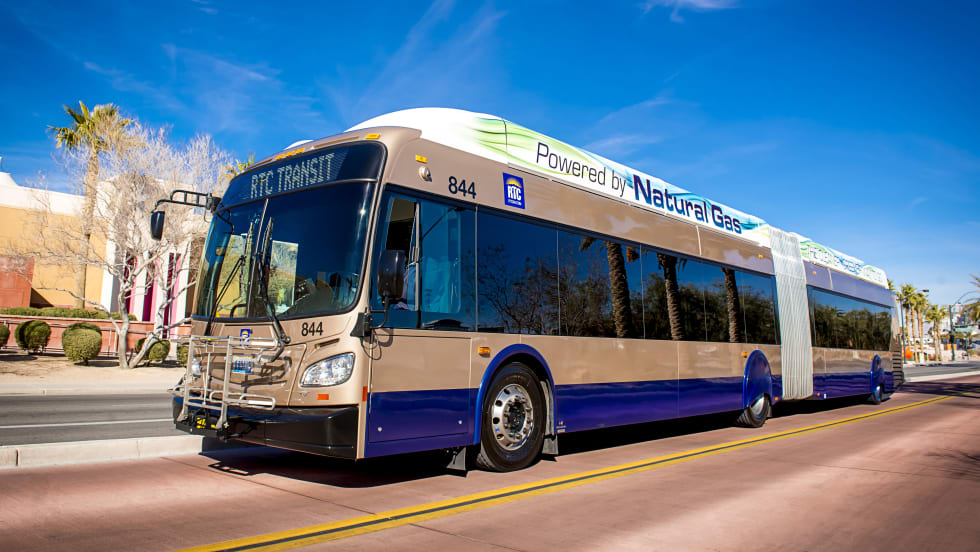
RTC of Southern Nevada Reports 29% Drop in Transit Operator Assaults
The agency credits expanded security measures, employee training, and technology investments for improvements in transit safety, while security officers have responded to 19 suspected overdoses since July.
Read More →
Public Transit Conference Returning to GFX in 2027, Call for Papers Now Open
The Call for Papers is now open, allowing transit agency professionals and industry experts to help shape the PTC educational program by submitting session ideas for consideration.
Read More →
Safe Transit Act Proposes New Security Requirements for Federal Transit Funding
Proposed legislation would link federal transit dollars to safety measures while requiring security investments, onboard cameras, and new fare collection standards.
Read More →
FTA Ends Direct Oversight of MBTA Safety Actions
The federal agency closed its remaining special directive to the Massachusetts Department of Public Utilities following a safety review that began in 2022.
Read More →
Transit Agencies Highlight Safety Gains at National Summit
Leaders from 15 major transit systems shared crime-reduction results and safety initiatives while discussing the role of continued federal support.
Read More →
DART Launches Major Security, Fare Enforcement Initiative
The 90-day demonstration will deploy coordinated security teams at five light rail stations while testing controlled access and gathering data to guide future investments.
Read More →
RTD Launches NextRide App to Consolidate Trip Planning, Fares, Security Reporting
The app expands on RTD’s existing NextRide web application and allows customers to view real-time vehicle locations and service alerts, purchase and store digital fares, and access customer support.
Read More →
TAPTCO Updates OSHA Compliance Training for Transit Maintenance Operations
The revamped program addresses 26 OSHA standards for maintenance facilities, with TAPTCO pointing to training, documentation, and everyday shop hazards as continuing challenges for transit operations.
Read More →