



Metra increasing Electric service to complete PTC
The new schedule will represent about 74% of the normal weekday service.

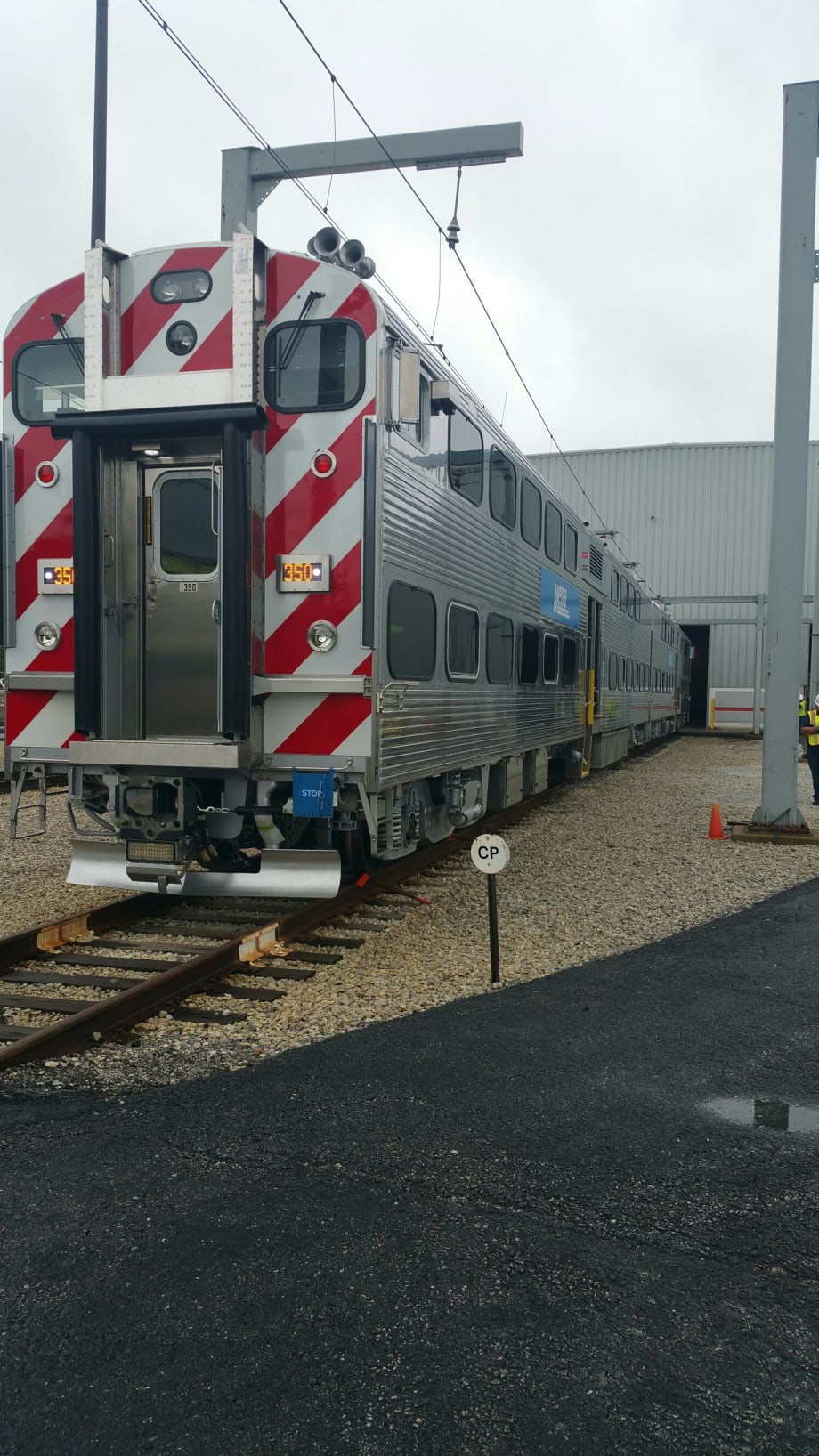
Metra last month unveiled a new Metra Electric Line schedule that was made necessary by the demands of PTC
Metra last month unveiled a new Metra Electric Line schedule that was made necessary by the demands of PTC
Metra will add service on the Metra Electric Line on May 18 to complete implementation of the Positive Train Control (PTC) safety system on that line and throughout the Metra system, which it is federally mandated to do by the end of this year. The new schedule will represent about 74% of the normal weekday service.
The change is not being made in response to increased ridership — the line recently has been carrying about 6% of its normal riders during the COVID-19 crisis. Rather, running the fuller schedule will enable Metra to carry out all the steps needed to complete PTC implementation on the line, including testing all the equipment under normal operating conditions, troubleshooting any issues, and training engineers and other personnel.
“We can’t wait for ridership to return to normal because we don’t know when that will happen and we don’t want to cut it too close to our end-of-the-year deadline,” said Metra CEO/Executive Director Jim Derwinski. “Getting PTC implemented in full on the Metra Electric as soon as possible will enable us to then move on to the last two lines running without it, the two Milwaukee District lines, and complete those lines by the end of 2020.”
Metra last month unveiled a new Metra Electric Line schedule that was made necessary by the demands of PTC — initializing the system before each train run takes time, and that time must be added to the timetable. The intention is to use that new schedule when the line is restored to full service following the coronavirus crisis.
The schedule that will be implemented on May 18 will represent about 74% of the full new schedule; however, on some days, the remaining 26% of trains will also operate for testing purposes, although they will not pick up customers. Also, there are certain trains that will make more stops and therefore have slightly longer run times on the May 18 schedule than on the full schedule; those trains are indicated in green on the May 18 timetable.
The Metra Electric Line will continue to use the normal Saturday and Sunday schedules on weekends.
PTC is a safety system that will automatically stop a train if the engineer fails to obey a signal or exceeds the speed limit. The system integrates GPS, trackside sensors and communications units, onboard computers, and Metra’s centralized train dispatching system. Together, these components track trains and monitor the crew’s compliance with speed restrictions and signals. Although it can’t prevent all accidents, PTC increases safety by preventing train-to-train collisions, unauthorized entry by trains into work zones and derailments due to speeding or moving through misaligned track switches.
More Security and Safety

Transit Agencies Highlight Safety Gains at National Summit
Leaders from 15 major transit systems shared crime-reduction results and safety initiatives while discussing the role of continued federal support.
Read More →
DART Launches Major Security, Fare Enforcement Initiative
The 90-day demonstration will deploy coordinated security teams at five light rail stations while testing controlled access and gathering data to guide future investments.
Read More →
RTD Launches NextRide App to Consolidate Trip Planning, Fares, Security Reporting
The app expands on RTD’s existing NextRide web application and allows customers to view real-time vehicle locations and service alerts, purchase and store digital fares, and access customer support.
Read More →

TAPTCO Updates OSHA Compliance Training for Transit Maintenance Operations
The revamped program addresses 26 OSHA standards for maintenance facilities, with TAPTCO pointing to training, documentation, and everyday shop hazards as continuing challenges for transit operations.
Read More →
How VaporVision Adds Value to Transit Door Systems
Wabtec engineers explain how the system improves doorway detection, strengthens diagnostics and gives transit agencies and OEMs greater operating flexibility.
Read More →
FRA Announces $5.3B in Rail Investments, Including $2B for Amtrak
Funding will support grade-crossing improvements, infrastructure upgrades, and new Amtrak equipment in 23 states.
Read More →
Chicago, Maryland Expand Non-Law-Enforcement Safety, Rider Support
The CTA and MTA are launching new programs aimed at de-escalation, crisis response, rider assistance, and greater transparency.
Read More →
LA Metro, City of West Hollywood, and Partners Advance Smarter Bus Lane Enforcement
The award-winning partnership combines AI-powered detection with human oversight to improve bus reliability, accessibility, and enforcement efficiency.
Read More →
LA Metro Reports 57% Decline in Homelessness on Transit System Since 2024
The agency's latest homelessness count offers new data on how care-based services and cross-sector partnerships can complement traditional transit security strategies.
Read More →
FTA Launches 'Transit Moves America' Dashboard to Highlight Agency Safety and Performance
The online dashboard transforms National Transit Database information into a public-facing resource that allows users to compare transit agencies on key operational and safety metrics.
Read More →