



Caltrain, moovel North America team for mobile fare payment app
Caltrain Mobile can run on iOS and Android operating systems and will accept major credit and debit cards.


Digital tickets purchased through the application have several built-in security and authenticity features, such as changing background colors and animation.

This weekend, Caltrain will launch Caltrain Mobile, the rail agency’s official mobile ticketing application that allows riders to purchase and activate tickets from their smart phone devices.
Caltrain Mobile, which was designed by moovel North America LLC, will enhance the overall customer experience for Caltrain riders by making it unnecessary to visit ticketing machines before boarding at stations. The app offers One-Way, Day Pass, and Zone Upgrade digital tickets for adults and passengers who qualify for discounted fare.
Caltrain Mobile is ideal for occasional and weekend riders headed to special events, day trips, sporting events, and visiting friends. Ticket prices are the same as paper tickets and there are no additional fees. Tickets for multiple people can be purchased and stored on a single phone. Tickets are activated immediately upon purchase and the rules are the same as the ticket machine.
Caltrain Mobile can run on iOS and Android operating systems and will accept major credit and debit cards.
The app includes a Trip Tools option that allows riders to access the Caltrain website for schedules and link up with the MuniMobile and VTA EZFare ticketing apps. There’s also a My Account section where riders can manage their stored information, email address, adjust on-file billing methods, and view transaction history.
Digital tickets purchased through the application have several built-in security and authenticity features, such as changing background colors and animation.
The Caltrain Board awarded the contract to moovel, who is also the mobile ticketing provider for the San Francisco Municipal Transportation Agency and the Santa Clara Valley Transportation Authority, for development of a mobile ticketing solution in January 2017.
Future app updates could include daily parking permit purchases, trip planning, and real-time information on service updates, among other functions.
More Technology
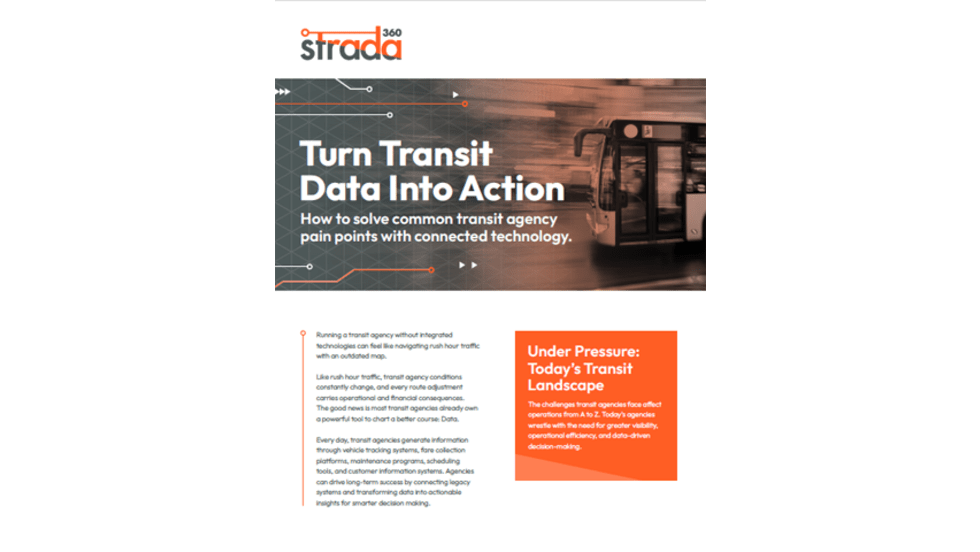
Turn Transit Data Into Action
Discover how leading agencies are using connected technology to gain real-time visibility across operations, improve service reliability, and reduce disruptions.
Read More →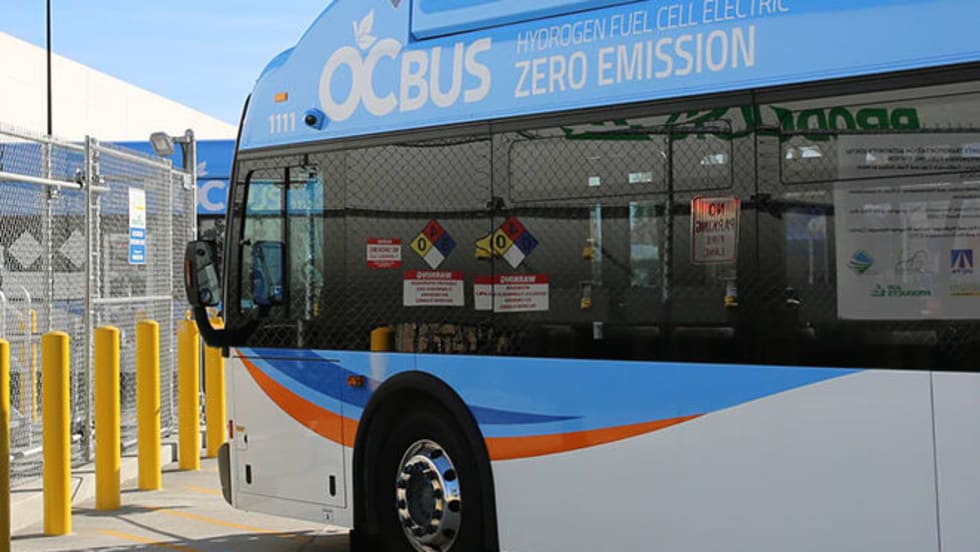
Biz Briefs: OCTA Taps Clean Energy for Hydrogen Station, Stadler to Supply Via Rail Vehicles, and More
From manufacturers and suppliers to transit agencies and motorcoach operators, these updates offer a snapshot of the projects, partnerships and business moves driving the industry forward.
Read More →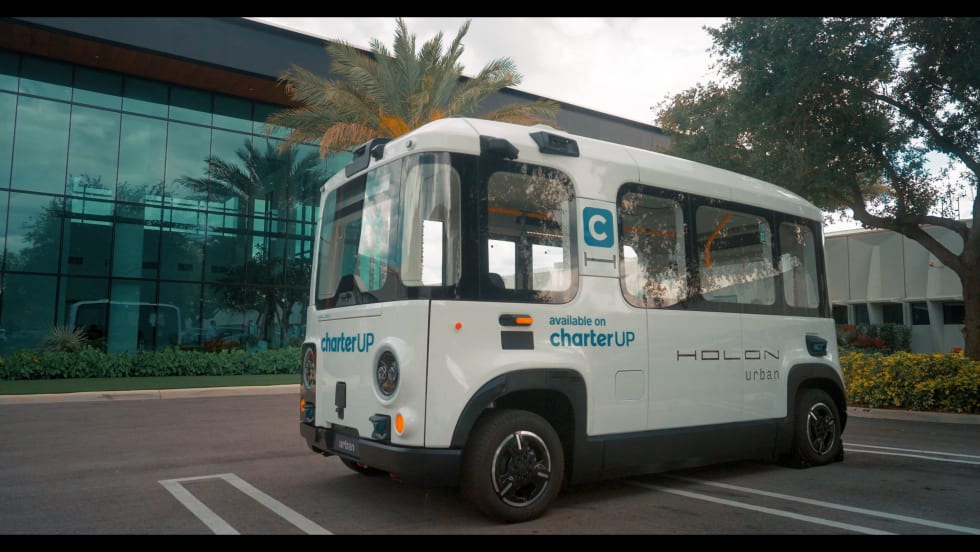
CharterUP Expands Into New Mobility and Autonomous Transportation
Vice President of New Mobility Stephen Joos discusses how CharterUP is leveraging its nationwide transportation network, technology platform, and autonomous vehicle partnerships to expand into workforce mobility, campus shuttles, and transit solutions.
Read More →
METRO Magazine Announces 2026 Innovative Solutions Awards Winners
Projects Recognized for Advancing Mobility Through Technology, Accessibility, Workforce Innovation, and Operational Excellence
Read More →
Cummins Introduces Phased Model Year 2027 Launch Strategy
According to officials, the approach is designed to maintain regulatory compliance, support customer production schedules, and provide additional time to ramp production in a disciplined manner that helps ensure a successful transition for the industry.
Read More →
Biz Briefs: STV teams with Amtrak, Motorcoach Operators Boost Fleet and Land Contracts, and More
From manufacturers and suppliers to transit agencies and motorcoach operators, these updates offer a snapshot of the projects, partnerships and business moves driving the industry forward.
Read More →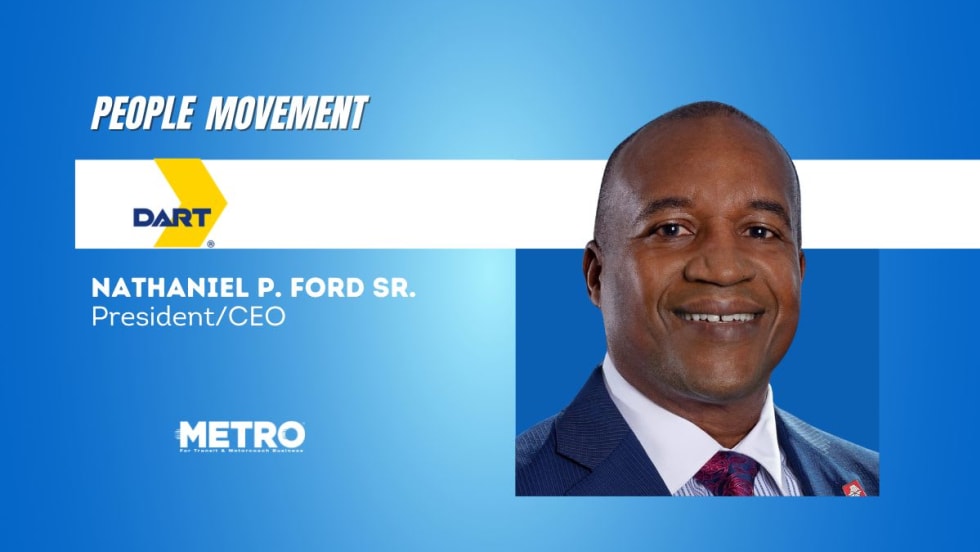
DART Taps Nathaniel P. Ford Sr. as Next President/CEO
Since 2012, Ford has served as the CEO of the Jacksonville Transportation Authority
Read More →
AC Transit’s Cecil Blandon on Building the Next Generation of Transit Maintenance Leaders
The agency’s maintenance chief discusses leadership, workforce development, zero-emission technology, and preparing technicians for the future of public transportation.
Read More →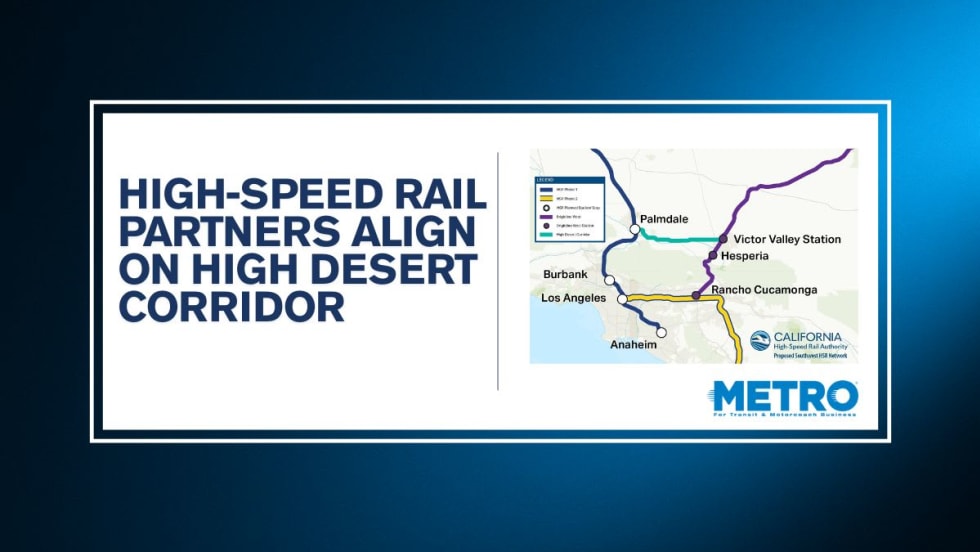
California High-Speed Rail Authority Signs MOU to Advance High Desert Corridor
The agreement deepens collaboration between the California High-Speed Rail Authority and the High Desert Corridor Joint Powers Agency, supporting design integration, cost savings, and faster delivery of a key Southern California rail link.
Read More →
Building the Next Generation of Transit Technology
In this edition of METROspectives, Luminator CEO Magnus Friberg discusses the company's transformation, the growing role of AI and software, and what's next for transit technology.
Read More →