Trapeze Group is accelerating the delivery of technology at North American transit agencies through its new Professional Services Partner Program.
The program brings together the industry’s best-in-class companies in the transit industry under one network, to enhance service delivery to more than 150 transit agencies across North America, who collectively represent over $75 billion in annual operating expenditures.
Ad Loading...
Currently, transit agencies use Trapeze’s transit enterprise solutions to plan, manage, deliver, and optimize their fixed-route, rail, and paratransit services. With the new partner program, transit agencies across North America gain access to an exclusive group of providers with various expertise in the industry, enabling them to push out solutions to the public faster, and innovate more quickly.
As part of the program, Trapeze is rolling out a Partner Certification Program, which ensures that all partners are Trapeze-certified and knowledgeable about Trapeze products, and agencies can look for Trapeze-certified partners to be assured that they are trained and well-equipped to implement Trapeze technology at their sites.
“This new program ensures that we continue to deliver leading-edge solutions to our customers with more efficient implementations and additional support options. By creating this network of certified and highly trained professional services partners, we’re able to meet and exceed goals more quickly and help our customers respond to the demands of their passengers faster,” said Jeff Moore, VP, industry solutions and alliances, Trapeze Group.
The company partners with manufacturers such as Kiel Seating, Camira Fabric, and TSI Video, focusing on areas that directly impact both passenger experience and operational performance.
Now in its latest edition, the awards recognize forward-thinking solutions that improve safety, operational efficiency, sustainability, rider experience, and overall system performance.
Advances in data and analytics are giving transit agencies new opportunities to refine maintenance practices, improve efficiency and make more informed decisions about asset performance.
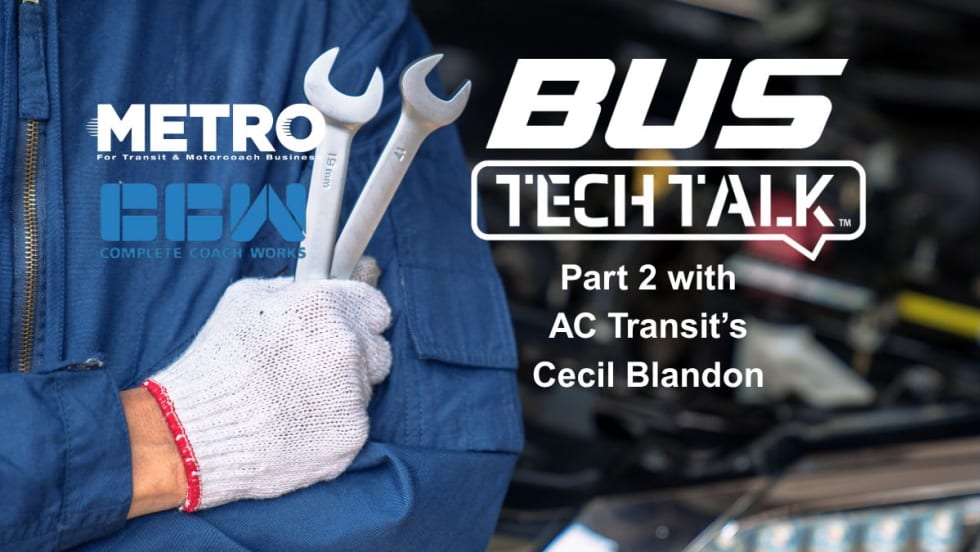
In Part 2 of a two-part conversation, AC Transit’s director of maintenance joins co-hosts Alex Roman and Mark Hollenbeck to discuss his maintenance team’s work with various types of vehicle, training, augmented reality, and more.
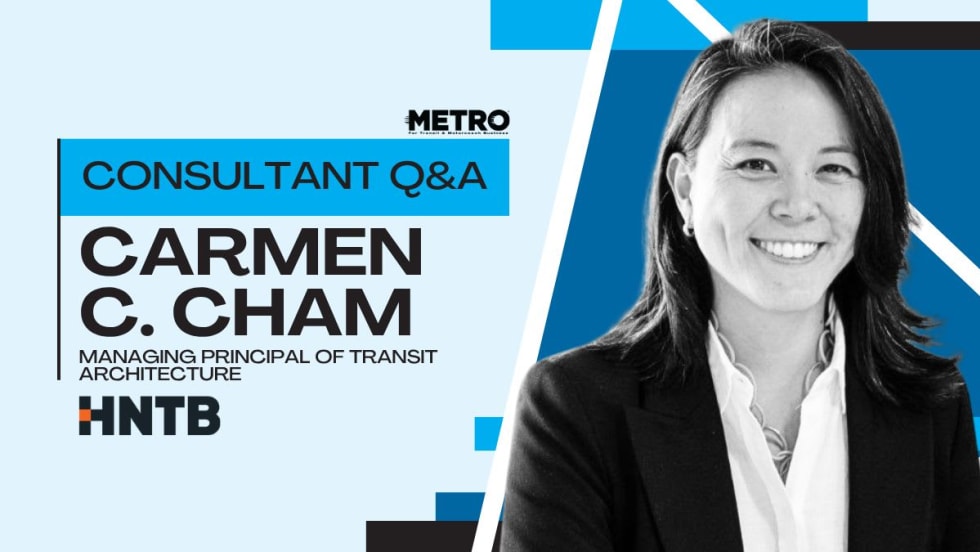
In this Consultant Roundtable, Carmen C. Cham shares insights on how agencies can create spaces that are intuitive, connected and built for long-term impact.
The Siemens CBTC System, Trainguard MT, in compliance with New York Subway Interoperability Interface Specifications, enables trains to run as close as 90 seconds apart, using next-generation signaling and continuous communication to keep operations moving seamlessly.
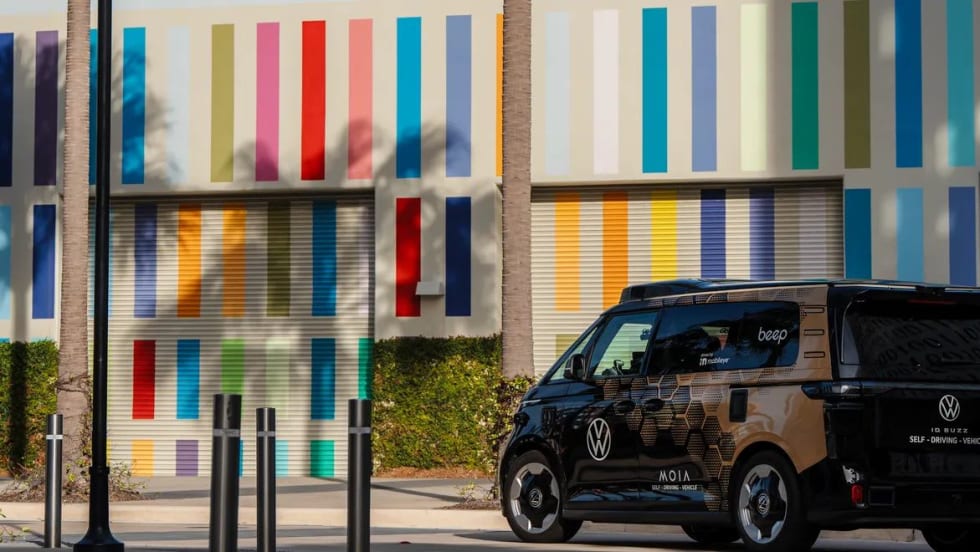
Through the strategic partnership, MOIA America will provide MOIA’s turnkey autonomous mobility solution. This includes purpose-built, autonomous-ready ID. Buzz vehicles equipped with the self-driving system developed by Mobileye, as well as operator training and enablement.
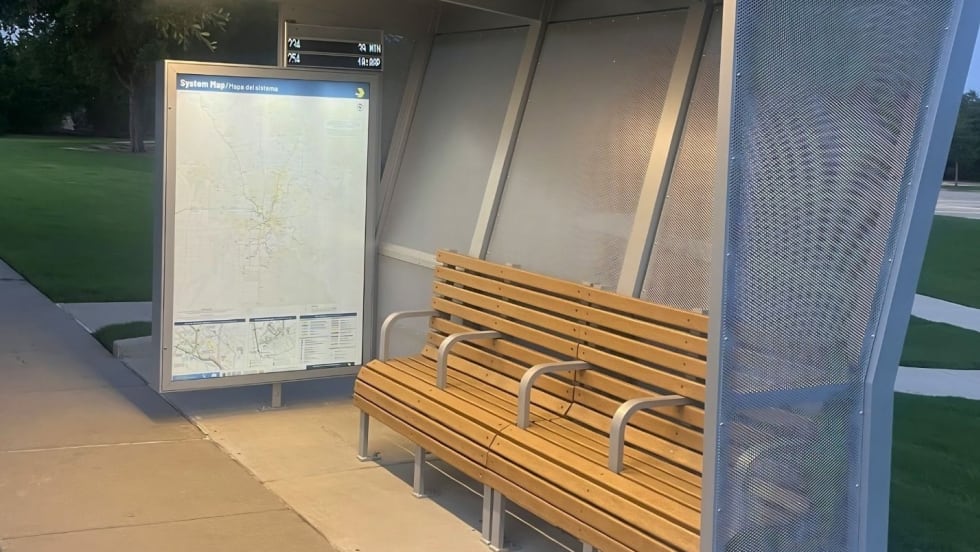
Officials said the project delivers a fully integrated passenger environment featuring improved solar-powered LED lighting, real-time arrival information, and a precision-engineered shelter designed to withstand the Texas climate.
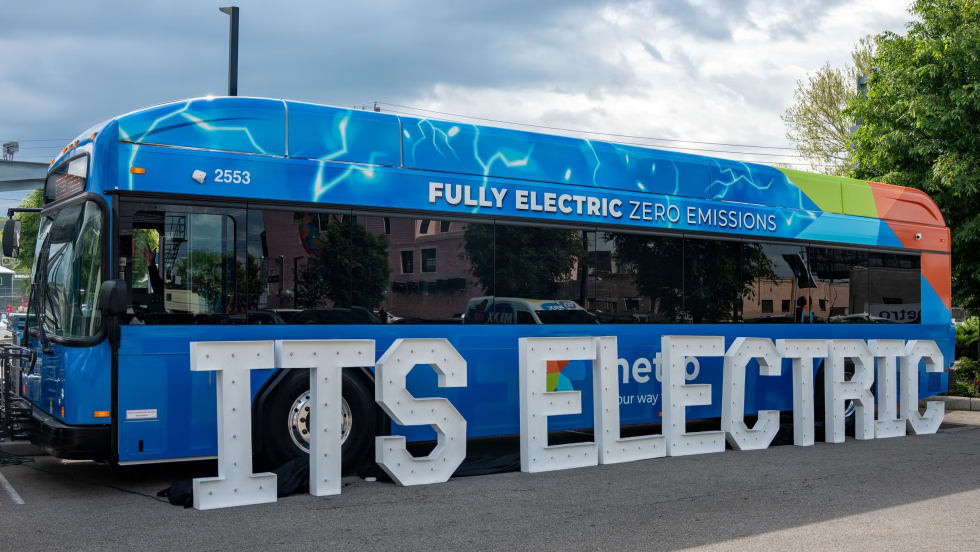
Two battery-electric buses entered service on Earth Day, with four additional vehicles expected to join the fleet this summer. Seven more buses are planned for the end of 2027, bringing Metro’s total zero-emission fleet to 13.