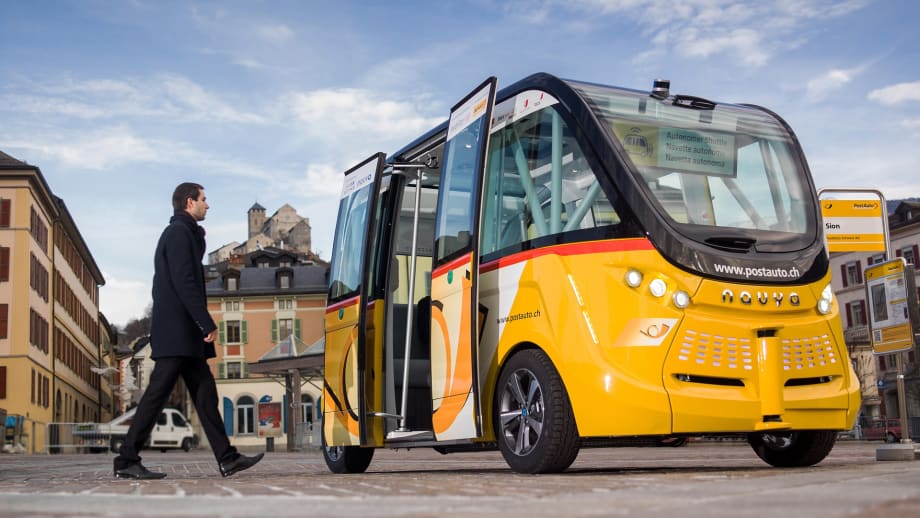
The Netherlands topped the rankings of countries most ready for autonomous vehicles, followed by Singapore, Norway, the U.S. and Sweden. Photo: Navya
3 min to read
The Netherlands topped the rankings of countries most ready for autonomous vehicles, followed by Singapore, Norway, the U.S. and Sweden. Photo: Navya
Once again, The Netherlands topped the rankings of countries most ready for autonomous vehicles, followed by Singapore, Norway, the U.S. and Sweden. Global consulting firm KPMG's 2019 Autonomous Vehicles Readiness Index (AVRI) is intended to provide an understanding of various countries’ preparedness and openness to AV technology.
According to the AVRI, the 10 countries most prepared for the future of autonomous transportation of those indexed are:
Ad Loading...
Country
2019 Rank
2018 Rank
The Netherlands
#1
#1
Singapore
#2
#2
Norway
#3
New
United States
#4
#3
Sweden
#5
#4
Finland
#6
New
United Kingdom
#7
#5
Germany
#8
#6
United Arab Emirates
#9
#8
Japan
#10
#11
Highlights from the top ranked countries include:
The Netherlands, ranked number one for a second year, is working with neighbors to adopt AV technology for freight, with a plan to launch platoons of more than 100 driverless trucks on major routes from Amsterdam to Antwerp and Rotterdam to the Ruhr valley.
With a leading university, second-ranked Singapore has created a test town for driverless vehicles complete with traffic lights, bus stops, skyscrapers and a rain machine to recreate its extremely wet, tropical weather.
Based on the 2018 AVRI results, five new countries were added for 2019.
1 Norway (#3) - The country legalized AV testing on public roads and operators have started small-scale autonomous bus services. An autonomous taxi pilot is slated for 2019.
Ad Loading...
2 Finland (#6) - Finland is focusing on getting AVs to work in winter conditions and automated bus services. The country is also repainting the yellow lines on its roads to an AV-friendly white.
3 Israel (#14) - Israel's strength in AVs lies in its export-focused technology sector, which helps the country top the index's technology and innovation pillar as well as specific measures of industry partnerships, investment and headquarters.
4 Czech Republic (#19) - New AV test sites, supporting the country's top rating for AV pilots, are likely to strengthen Czech Republic's reputation as a local vehicle manufacturer.
5 Hungary (#21) - Legislative changes, commercial pilots of AVs at a new test track and an active AV startup community distinguished Hungary's debut on the list.
Consumer opinion poll finds mixed feelings on AVs globally
Ad Loading...
New this year, KPMG conducted a consumer opinion research project to better understand consumer sentiment on AVs. The findings revealed a correlation between countries lower in the rankings having the most consumer interest in AVs. These countries include India (#24) and Mexico (#23).
The Index provides an in-depth view of what it takes for countries to meet the challenges of self-driving vehicles, evaluating the preparedness of a cross-section of 25 countries — up from 20 in the inaugural year of the AVRI — globally. Each country is evaluated against four pillars: policy and legislation; technology and innovation, infrastructure, and consumer acceptance. Within the four pillars are 25 factors that reflect everything from legislation allowing AVs to operate to the condition of roads.
Full 2019 rankings reveal shifts from 2018
The 2019 AVRI rankings showed some movement from the inaugural rankings in 2018, with high-ranking newcomers among the five new entrants for 2019.
The company partners with manufacturers such as Kiel Seating, Camira Fabric, and TSI Video, focusing on areas that directly impact both passenger experience and operational performance.
Now in its latest edition, the awards recognize forward-thinking solutions that improve safety, operational efficiency, sustainability, rider experience, and overall system performance.
Advances in data and analytics are giving transit agencies new opportunities to refine maintenance practices, improve efficiency and make more informed decisions about asset performance.
In Part 2 of a two-part conversation, AC Transit’s director of maintenance joins co-hosts Alex Roman and Mark Hollenbeck to discuss his maintenance team’s work with various types of vehicle, training, augmented reality, and more.
In this Consultant Roundtable, Carmen C. Cham shares insights on how agencies can create spaces that are intuitive, connected and built for long-term impact.
The Siemens CBTC System, Trainguard MT, in compliance with New York Subway Interoperability Interface Specifications, enables trains to run as close as 90 seconds apart, using next-generation signaling and continuous communication to keep operations moving seamlessly.
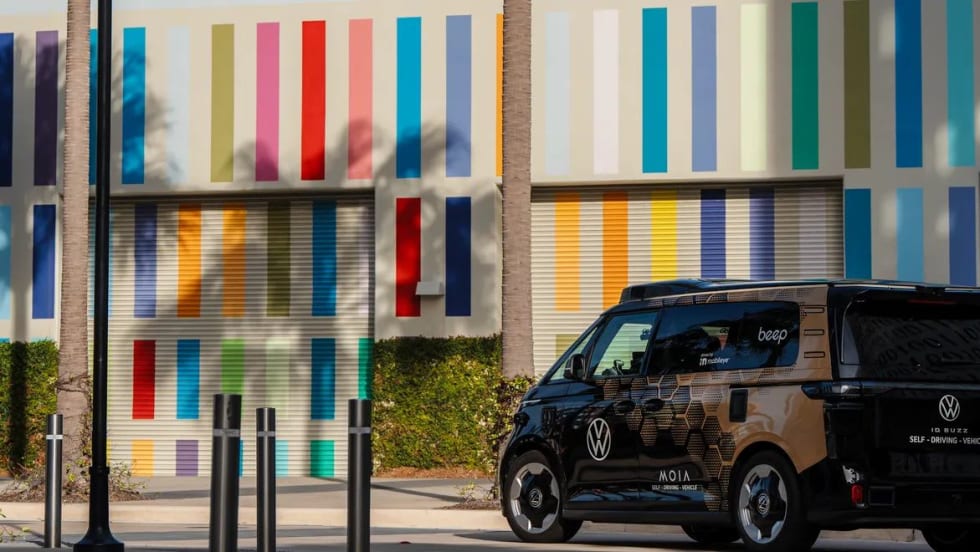
Through the strategic partnership, MOIA America will provide MOIA’s turnkey autonomous mobility solution. This includes purpose-built, autonomous-ready ID. Buzz vehicles equipped with the self-driving system developed by Mobileye, as well as operator training and enablement.
Officials said the project delivers a fully integrated passenger environment featuring improved solar-powered LED lighting, real-time arrival information, and a precision-engineered shelter designed to withstand the Texas climate.
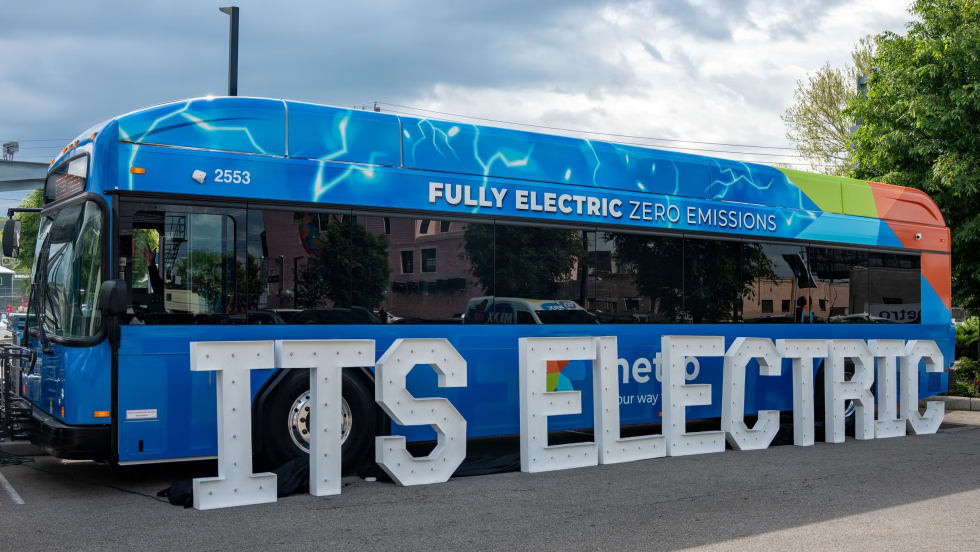
Two battery-electric buses entered service on Earth Day, with four additional vehicles expected to join the fleet this summer. Seven more buses are planned for the end of 2027, bringing Metro’s total zero-emission fleet to 13.