



Visa, partners bring contactless fare payment to worldwide transit operators
Rather than installing brand new turnstiles or hardware, transit operators can install the Visa SAM, which is based on secure EMV® contactless technology, directly into existing systems.

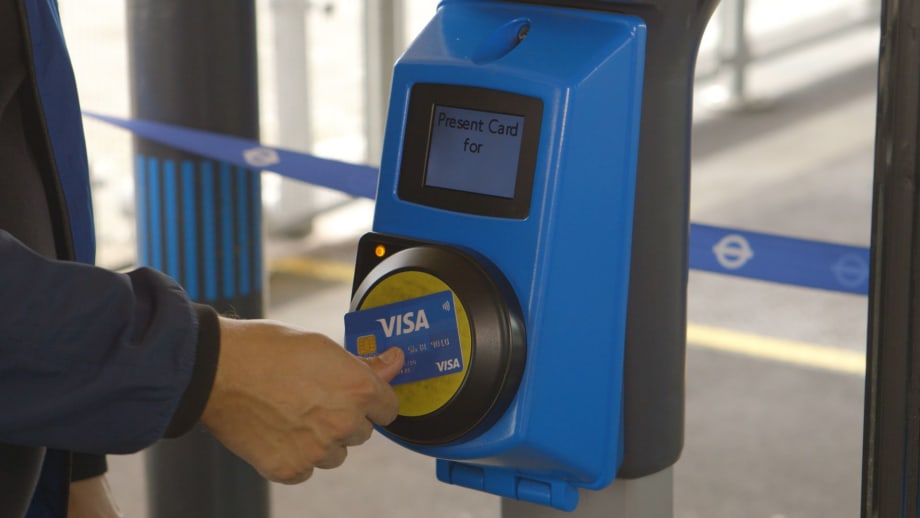
The Visa SAM is the first technology of its kind for the transit industry, available to all Visa Ready technology partners, making it easy for other transit hardware and software companies to incorporate it into their offerings.
Visa
The Visa SAM is the first technology of its kind for the transit industry, available to all Visa Ready technology partners, making it easy for other transit hardware and software companies to incorporate it into their offerings.
Visa
Visa and Planeta Informatica are launching new technology that enables public transit operators worldwide to implement contactless payments “faster and easier than ever.” The Visa Secure Access Module (SAM) makes it easy for transit organizations and operators to begin offering riders the ability to tap to pay with a contactless card, phone, or wearable device, without the expense and technical requirements of replacing current turnstiles or terminal hardware.
Contactless payments are shaping the future of mass transit in major cities around the world, helping riders save valuable time by eliminating the need to stand in line to buy or re-load a ticket. For transit operators that have invested in turnstiles and terminal readers recently, the Visa SAM may be a cost-effective solution to offer the benefits of a contactless transit experience, including improving the customer experience, boosting ridership, and reducing ticketing overheads. Rather than installing brand new turnstiles or hardware, transit operators can install the Visa SAM, which is based on secure EMV® contactless technology, directly into existing systems, significantly decreasing cost and implementation time.
The Visa SAM is the first technology of its kind for the transit industry, available to all Visa Ready technology partners, making it easy for other transit hardware and software companies to incorporate it into their offerings.
“Through our work with Planeta Informatica, we have pioneered a way to accelerate the shift to contactless transit that is scalable and highly secure, while generating time and cost savings for transit operators by removing the hurdles of replacing potentially thousands of transit readers across the transport system,” said Nick Mackie, global head of urban mobility for Visa.
In a global study commissioned by Visa, “The Future of Transportation: Mobility in the Age of the Megacity,” Visa found complexity in payment is often a point of frustration among commuters on mass transit today, so, solutions like contactless transit that make payments easier could be critical to increasing ridership and satisfaction in the future. Commuters reported that the average use of mass transit would increase by 27% if it was easier to pay, with 47% saying the need to obtain different tickets for different modes of travel is an issue.
The launch of the Visa SAM builds on Visa’s experience helping transit operators around the world find the best, most cost-effective way to address increasing pressures on their existing infrastructure while also investing in the technologies that will serve them in the future. Over the past year alone, Visa helped launch contactless transit solutions in 20 cities across 12 countries, with more than 150 projects currently underway.
Visa and Planeta Informatica have partnered with Ingenico Group to implement the Visa SAM as part of the launch of contactless transit with Metro Rio in late April.
More Technology
New York MTA Launches Historic $1.9B Signal, Track Modernization Project
Funded in part by congestion pricing revenue, the project will replace nearly century-old signals along the A and C lines in Brooklyn and Queens.
Read More →
Biz Briefs: New Electric Offering from Alexander Dennis/Volvo, Transdev in Boston, and More
In METRO's latest installment, we also take a look at recent news from STV, WSP, Prevost, and more partnerships making headlines across the transportation sector.
Read More →
Roman Cornell on ABC Companies’ Evolution and the Future of Passenger Transportation
The company’s CEO discusses carrying forward a third-generation family legacy, ABC’s continued evolution in passenger transportation, support for increasingly complex fleets, and how technology and continued investment could help operators improve uptime.
Read More →
ETA CEO John Maglio on Transit Technology, Innovation, and Building Agency Trust
ETA founder and CEO John Maglio explores the evolution of transit technology, the importance of reliable systems, and how stronger partnerships can help agencies improve operations and the passenger experience.
Read More →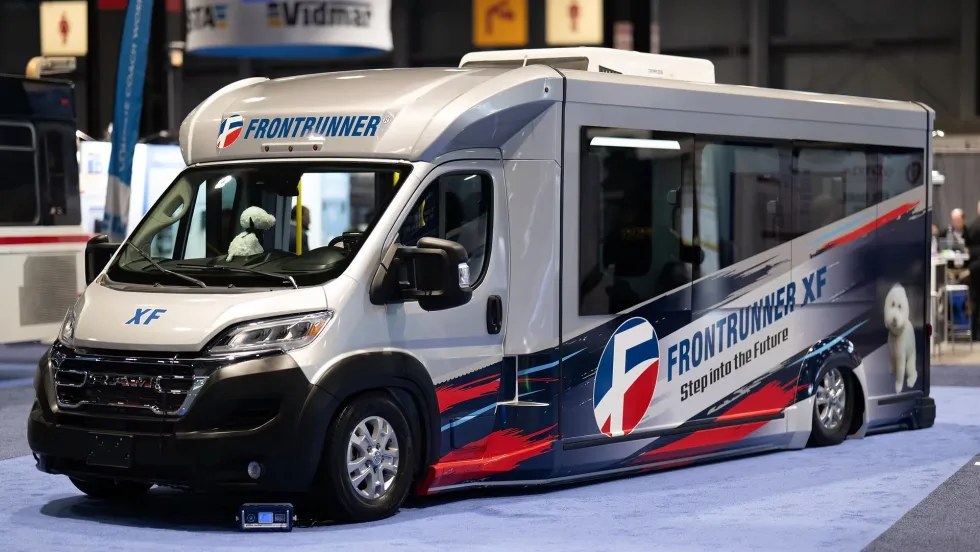
Frontrunner Bus Group Introduces XF Low-Floor Bus with Enhanced Accessibility
The new mid-sized bus features a full flat-floor design, eight-inch curbside step-in height, and zero-entry rear ramp to improve passenger access and operational flexibility.
Read More →
Building a Flexible Path to Transit Electrification with BAE's John Hroncich
John Hroncich discusses BAE Systems’ modular and scalable approach, lessons learned from decades of real-world operations, and how agencies can identify electrification strategies that fit their fleets.
Read More →
Scenes from APTA TRANSform & EXPO 2026
Transit leaders, manufacturers, and industry professionals gathered in Chicago to explore new technologies, share ideas, and discuss the future of public transportation.
Read More →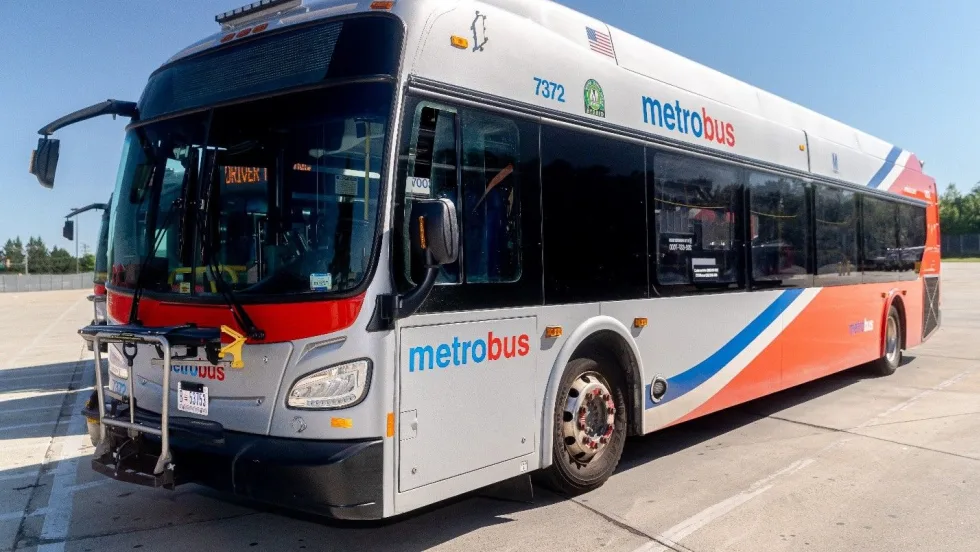
Biz Briefs: New Flyer Secures Additional 100-Bus Order from WMATA and More
In METRO's latest installment, we also take a look at recent news from Masabi, MCI, Samsara, and more partnerships making headlines across the transportation sector.
Read More →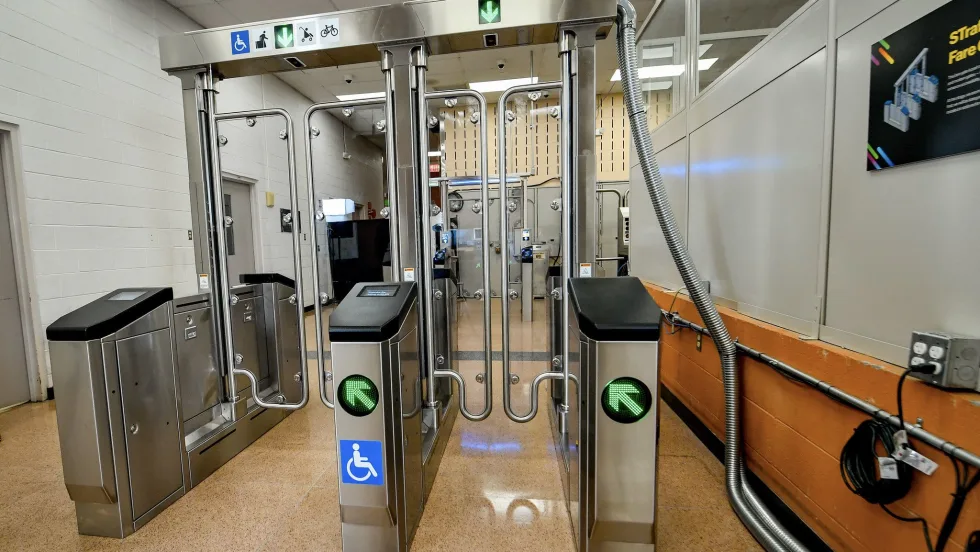
MTA Fare Gate Pilot Reduces Fare Evasion by 35%
Following a 20-station pilot, the agency plans to install new fare gates at 20 additional subway stations as part of a $1.1 billion modernization initiative.
Read More →
California Law Extends AC Transit’s Bus Lane Camera Enforcement
The new law allows AC Transit to continue using forward-facing bus cameras to enforce parking violations in bus-only lanes and at bus stops.
Read More →