




RELATED: New Flyer completes interoperable, on-route charger
TriMet’s New Flyer electric buses powered entirely by wind
The buses have electric motors powered by energy stored in rechargeable battery packs instead of combustion engines fueled by diesel.
April 17, 2019
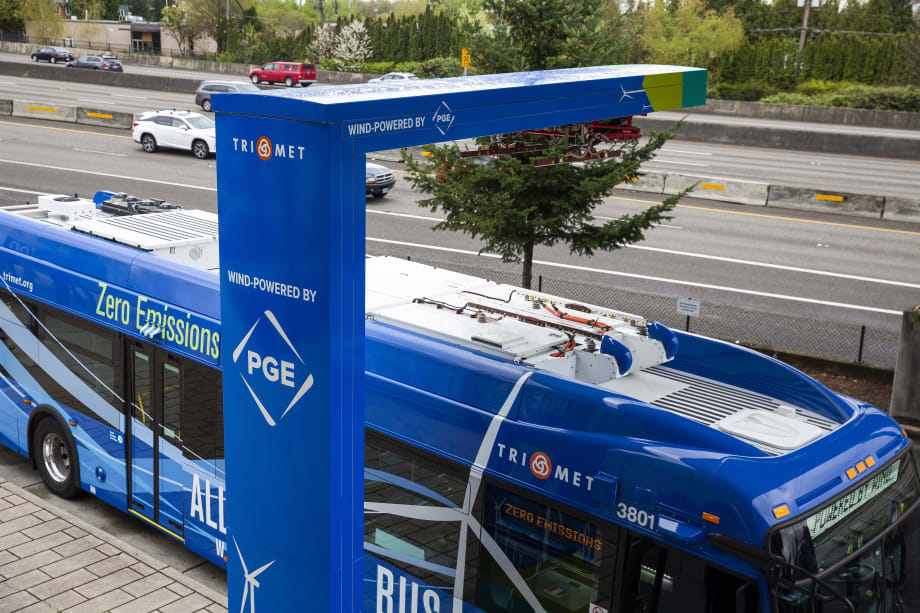
The New Flyer Xcelsior CHARGE™ zero-emission bus has been conducting some initial testing in revenue service since early March.
TriMet
3 min to read
The New Flyer Xcelsior CHARGE™ zero-emission bus has been conducting some initial testing in revenue service since early March.
TriMet
In what is believed to be a transit industry first in the U.S., TriMet’s all-electric buses will be powered by 100% wind energy. TriMet has committed to a non-diesel bus fleet by 2040. The initial journey toward a non-diesel fleet now begins with battery-electric buses that will be powered by Portland General Electric’s (PGE) Clean Wind℠ renewable energy program.
TriMet’s Board of Directors, on Sept. 26, 2018, approved the agency’s ambitious plan to transition to a clean energy bus fleet. That transition begins on April 19, with the official launch of TriMet’s first all-electric bus. The New Flyer Xcelsior CHARGE™ zero-emission bus has been conducting some initial testing in revenue service since early March. It will soon be joined by four matching electric buses, all of which will run on TriMet Line 62-Murray Blvd in Washington County, and all powered by renewable wind energy.
As Oregon Governor Kate Brown has made climate action and a reduction in greenhouse gas emissions a priority for the state, TriMet’s launch of battery electric buses is a critical first step to a green bus fleet.
TriMet’s electric buses have electric motors powered by energy stored in rechargeable battery packs instead of combustion engines fueled by diesel. These buses will reduce greenhouse gas emissions by about 100 to 140 tons per year, compared to a 40-foot diesel bus and about 75 tons per year compared to TriMet’s eight diesel-hybrid buses. Like the agency’s current hybrid buses and select MAX trains, the electric buses have regenerative braking. This means when the vehicle slows, kinetic energy is captured and can be used immediately or stored in the battery for later use.
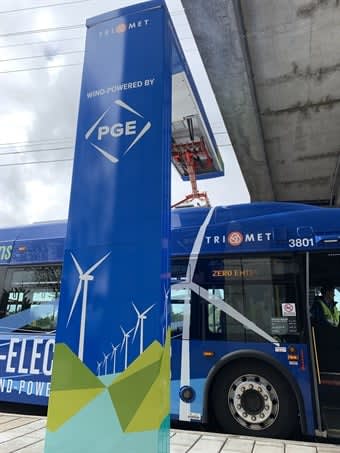
Like the agency’s current hybrid buses and select MAX trains, the electric buses have regenerative braking.
TriMet
TriMet’s first five battery-electric buses come thanks to a $3.4 million federal grant, plus an innovative partnership with PGE. The grant from the Federal Transit Administration (FTA) Low and No Emission (Low-No) Vehicle Deployment program initially paid for four buses. Under the PGE partnership, the utility will own and maintain the electric charging equipment. The savings from the partnership allowed TriMet to purchase a fifth bus, with more electric buses coming down the road. In August 2018, TriMet received a second FTA Low-No grant that will provide five additional electric buses.
In addition to these initial 10 electric buses, TriMet plans to purchase up to another 80 electric buses over the next five to six years with $53 million in funds generated by the Keep Oregon Moving Act. These first zero-emission buses will run in predominately low-income and minority communities.
The technology for battery electric buses is still emerging. Over the next five years, TriMet will put the electric buses through real-world testing in hilly terrains and local traffic conditions, and evaluate performance, cost, and reliability of the buses to determine whether to accelerate its transition, slow it down, or increase testing of other technologies and alternatives, including potentially hydrogen and renewable natural gas.
More Technology
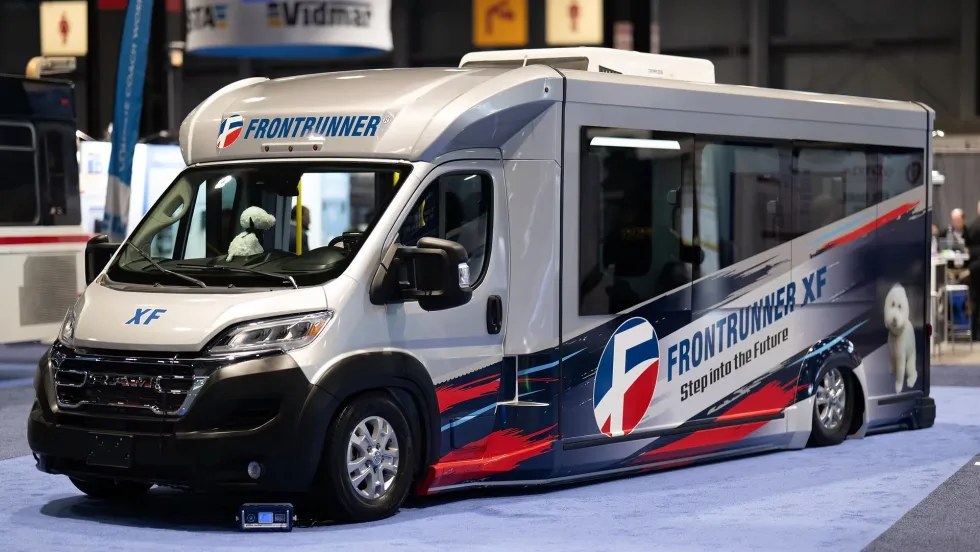
Frontrunner Bus Group Introduces XF Low-Floor Bus with Enhanced Accessibility
The new mid-sized bus features a full flat-floor design, eight-inch curbside step-in height, and zero-entry rear ramp to improve passenger access and operational flexibility.
Read More →
Building a Flexible Path to Transit Electrification with BAE's John Hroncich
John Hroncich discusses BAE Systems’ modular and scalable approach, lessons learned from decades of real-world operations, and how agencies can identify electrification strategies that fit their fleets.
Read More →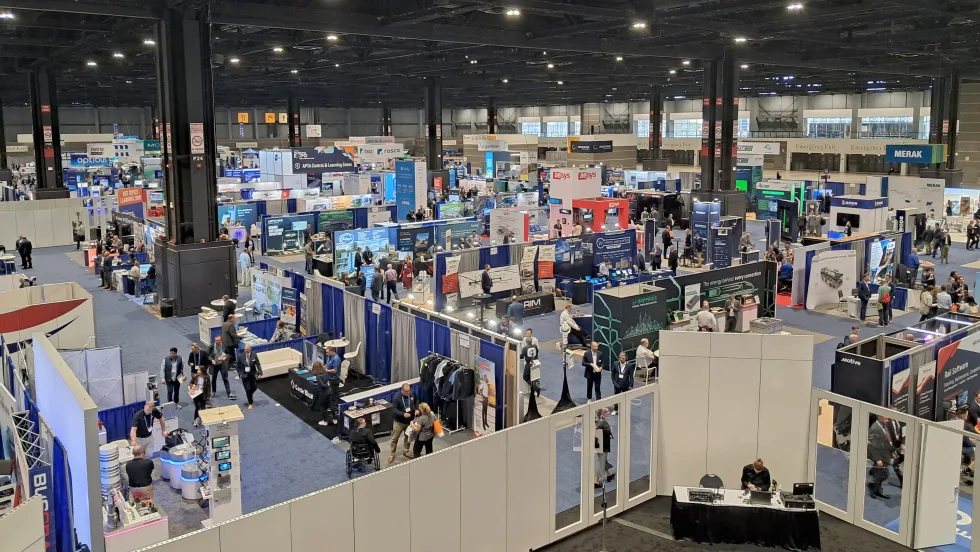
Scenes from APTA TRANSform & EXPO 2026
Transit leaders, manufacturers, and industry professionals gathered in Chicago to explore new technologies, share ideas, and discuss the future of public transportation.
Read More →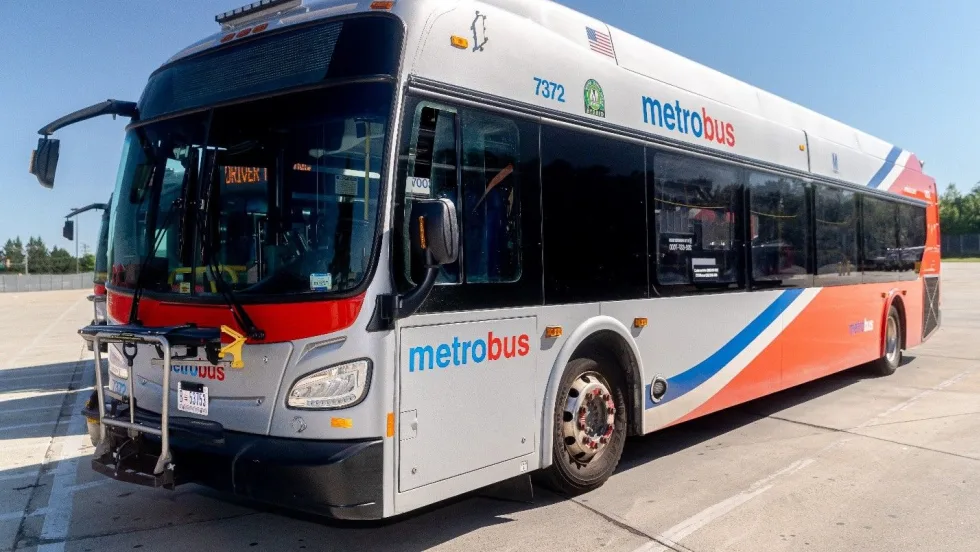
Biz Briefs: New Flyer Secures Additional 100-Bus Order from WMATA and More
In METRO's latest installment, we also take a look at recent news from Masabi, MCI, Samsara, and more partnerships making headlines across the transportation sector.
Read More →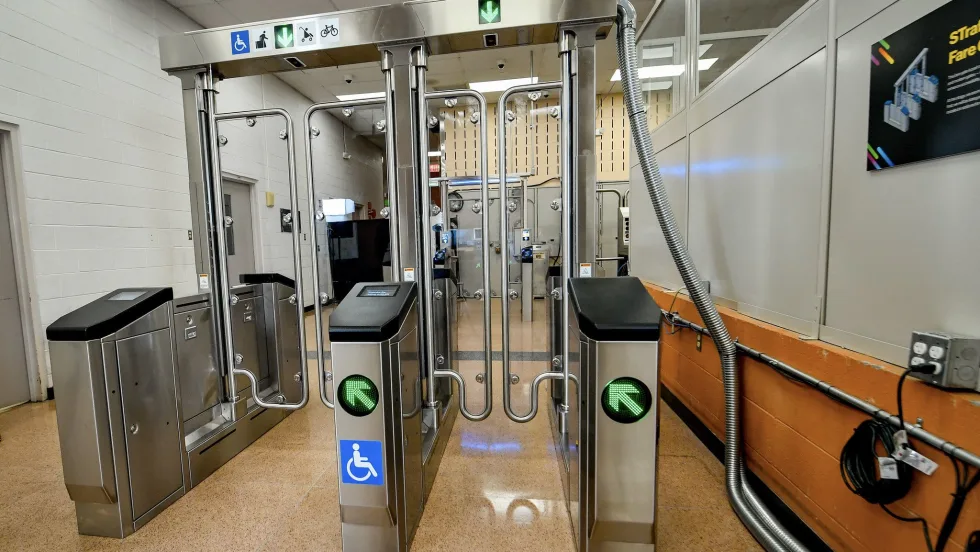
MTA Fare Gate Pilot Reduces Fare Evasion by 35%
Following a 20-station pilot, the agency plans to install new fare gates at 20 additional subway stations as part of a $1.1 billion modernization initiative.
Read More →
California Law Extends AC Transit’s Bus Lane Camera Enforcement
The new law allows AC Transit to continue using forward-facing bus cameras to enforce parking violations in bus-only lanes and at bus stops.
Read More →
Biz Briefs: Luminator Launches AI Technology to Monitor Bus Stop Conditions and More
In METRO's latest installment, we also take a look at recent news from Masabi, Troman Industries, ioki, CCW, and more partnerships making headlines across the transportation sector.
Read More →
Public Transit Conference Returning to GFX in 2027, Call for Papers Now Open
The Call for Papers is now open, allowing transit agency professionals and industry experts to help shape the PTC educational program by submitting session ideas for consideration.
Read More →
ENC Lands MATA Contract and More in Biz Briefs
In this edition of Biz Briefs, we spotlight the latest developments shaping the future of mobility.
Read More →
Strada360’s Steve Lassey on Turning Transit Data Into Better Decisions
From breaking down data silos to preparing for AI, Strada360 CEO Steve Lassey discusses how transit agencies can use technology to improve operations, customer information, and long-term decision-making.
Read More →