




RELATED: New Flyer's hydrogen fuel-cell hits 350 miles in testing
New Flyer launches autonomous tech program for buses
Will leverage the internet of things to build connectivity in sharing public roadways.
May 7, 2019
3 min to read
New Flyer of America Inc. and New Flyer Industries Canada ULC launched a new autonomous technology program. The program includes development and deployment of technology for Advanced Driver-Assistance Systems (ADAS) and Automated Vehicles (AV), with a guiding principle focused on public safety.
To ensure safe interaction among transit operators, passengers, pedestrians, cyclists, and interaction of buses, New Flyer will leverage the internet of things (an extension of internet connectivity to physical devices and everyday objects) to build connectivity in sharing public roadways. Secondary benefits of New Flyer’s Autonomous Technology Program include operational efficiency, productivity, and energy reduction.
The Autonomous Vehicle Technology Program will leverage, collaborate, and align with key public and private organizations, with commitments including:
Support of and adherence to the Society of Automotive Engineers (SAE) J3016 definition and recommended practice for Levels of Driving Automation, ranging from Level 0 where the operator has full control, to Level 5 where automation would drive the vehicle under all conditions. New Flyer will actively participate in development of SAE-related recommended practices and standards.
Support of the U.S. Department of Transportation (U.S. DOT) automation principles, including prioritization of safety, employment, and workforce development needs as defined in U.S. DOT’s Preparing for the Future of Transportation: Automated Vehicles 3.0 report.
Support of the National Highway Traffic Safety Administration (NHTSA) Vision for Safety, which is actively exploring opportunities to advance the lifesaving potential of AV technologies. NHTSA’s Vision for Safety report outlines the safe deployment of ADAS technologies.
Support to and support from the Federal Transit Administration Strategic Transit Automation Research (STAR) Plan, established as a research and demonstration framework to move the transit industry forward by leveraging core strengths of academia and the public and private sectors for automotive vehicle research, integrated demonstrations, and strategic partnerships. New Flyer will actively seek participation in STAR opportunities to achieve shared AV objectives.
Active contribution to and support of the American Public Transportation Association Connected and Automated Vehicle Committee, to pursue and further transit bus automation in a safe, efficient, and economically sound manner.
Engagement with proven AV technology partners with core expertise in sensor, controller, and artificial intelligence experience. New Flyer will work to ensure integration of AV technology into its products is robust, reliable, and based on ergonomic standards for optimum driver awareness and interaction as needed.
Vehicle-to-Infrastructure technology, often referred to as “V2I”, will be required for smart mobility development, with infrastructure as a critical element to successful deployment of AV transit buses. New Flyer will continue to engage smart city, transportation technology, and infrastructure stakeholders to align with, support, and further its technology roadmap to complement industry efforts.
New Flyer Infrastructure Solutions™ will support these efforts with development and deployment of smart charging solutions. Through the Vehicle Innovation Center, North America’s first and only innovation lab dedicated to the advancement of bus and coach technology, New Flyer will also foster industry collaboration and support workforce development through delivery of hands-on, educational programming related to the safe deployment of ADAS and AV technology.
More Technology
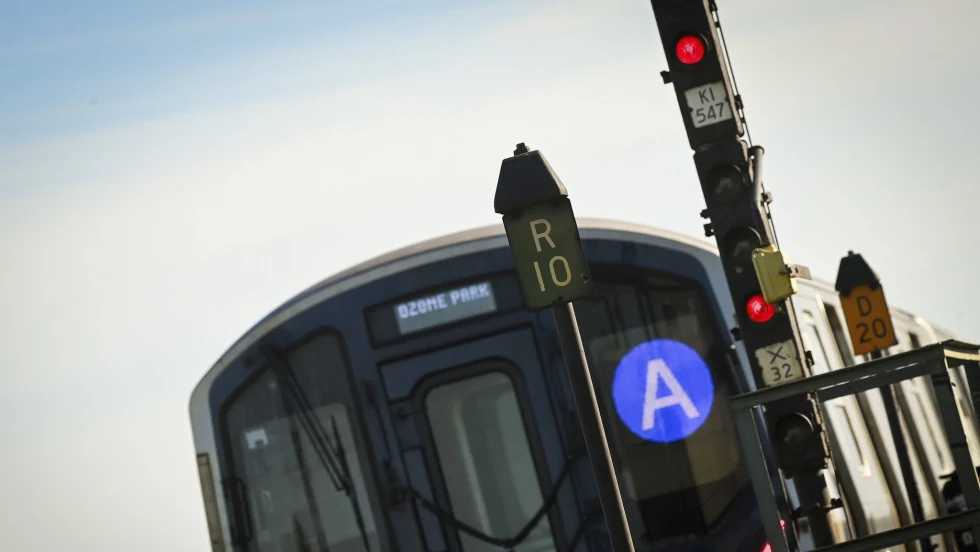
New York MTA Launches Historic $1.9B Signal, Track Modernization Project
Funded in part by congestion pricing revenue, the project will replace nearly century-old signals along the A and C lines in Brooklyn and Queens.
Read More →
Biz Briefs: New Electric Offering from Alexander Dennis/Volvo, Transdev in Boston, and More
In METRO's latest installment, we also take a look at recent news from STV, WSP, Prevost, and more partnerships making headlines across the transportation sector.
Read More →
Roman Cornell on ABC Companies’ Evolution and the Future of Passenger Transportation
The company’s CEO discusses carrying forward a third-generation family legacy, ABC’s continued evolution in passenger transportation, support for increasingly complex fleets, and how technology and continued investment could help operators improve uptime.
Read More →
ETA CEO John Maglio on Transit Technology, Innovation, and Building Agency Trust
ETA founder and CEO John Maglio explores the evolution of transit technology, the importance of reliable systems, and how stronger partnerships can help agencies improve operations and the passenger experience.
Read More →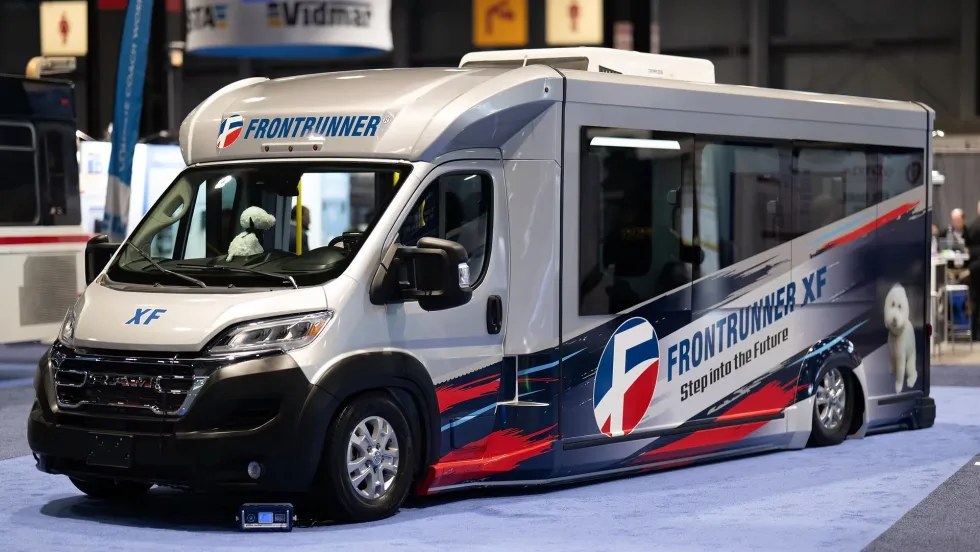
Frontrunner Bus Group Introduces XF Low-Floor Bus with Enhanced Accessibility
The new mid-sized bus features a full flat-floor design, eight-inch curbside step-in height, and zero-entry rear ramp to improve passenger access and operational flexibility.
Read More →
Building a Flexible Path to Transit Electrification with BAE's John Hroncich
John Hroncich discusses BAE Systems’ modular and scalable approach, lessons learned from decades of real-world operations, and how agencies can identify electrification strategies that fit their fleets.
Read More →
Scenes from APTA TRANSform & EXPO 2026
Transit leaders, manufacturers, and industry professionals gathered in Chicago to explore new technologies, share ideas, and discuss the future of public transportation.
Read More →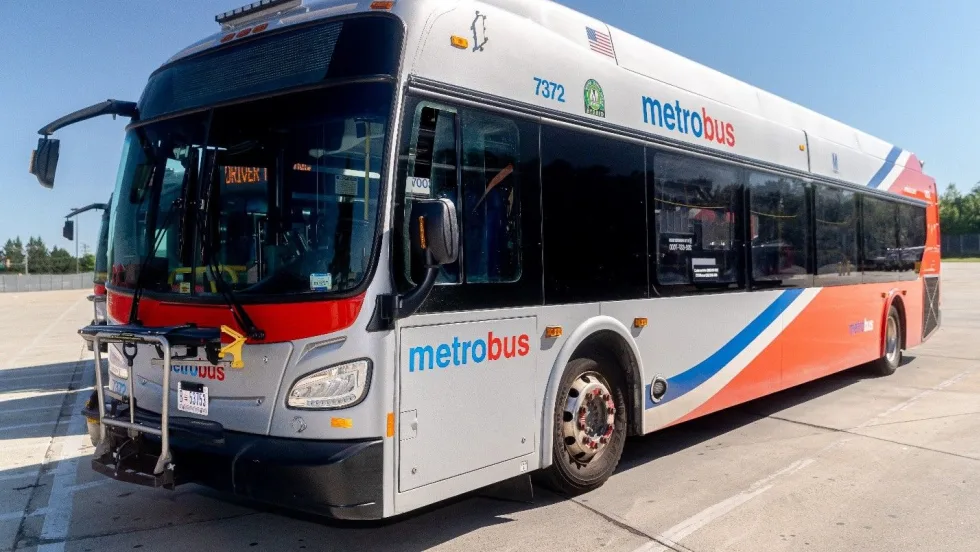
Biz Briefs: New Flyer Secures Additional 100-Bus Order from WMATA and More
In METRO's latest installment, we also take a look at recent news from Masabi, MCI, Samsara, and more partnerships making headlines across the transportation sector.
Read More →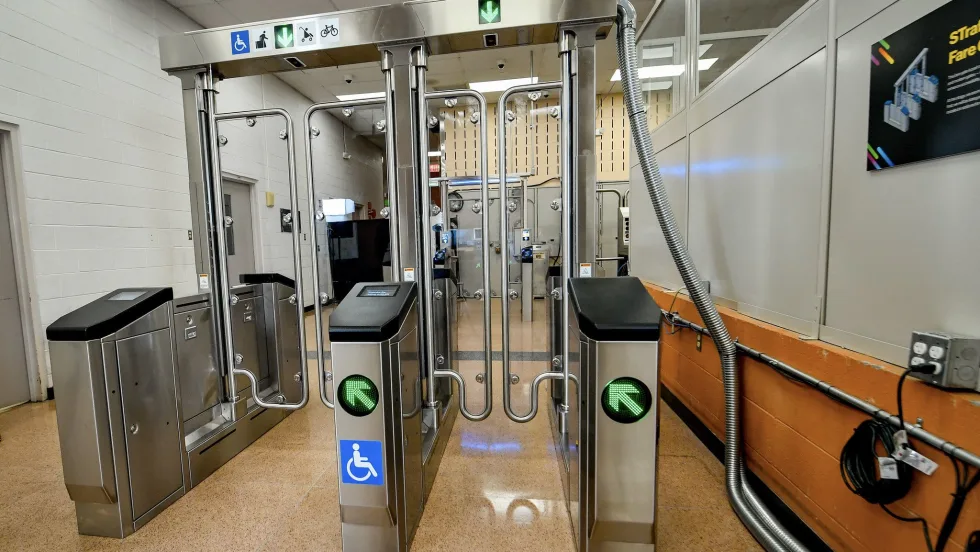
MTA Fare Gate Pilot Reduces Fare Evasion by 35%
Following a 20-station pilot, the agency plans to install new fare gates at 20 additional subway stations as part of a $1.1 billion modernization initiative.
Read More →
California Law Extends AC Transit’s Bus Lane Camera Enforcement
The new law allows AC Transit to continue using forward-facing bus cameras to enforce parking violations in bus-only lanes and at bus stops.
Read More →